Saudi-Palestinian talks: Emphasis on a just settlement and the two-state solution

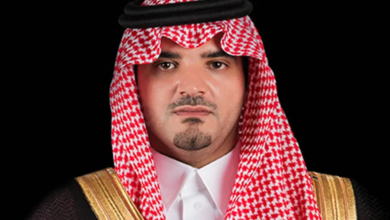
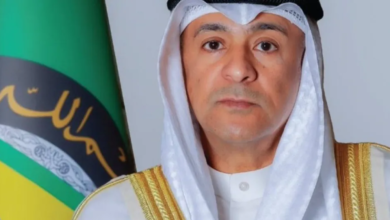
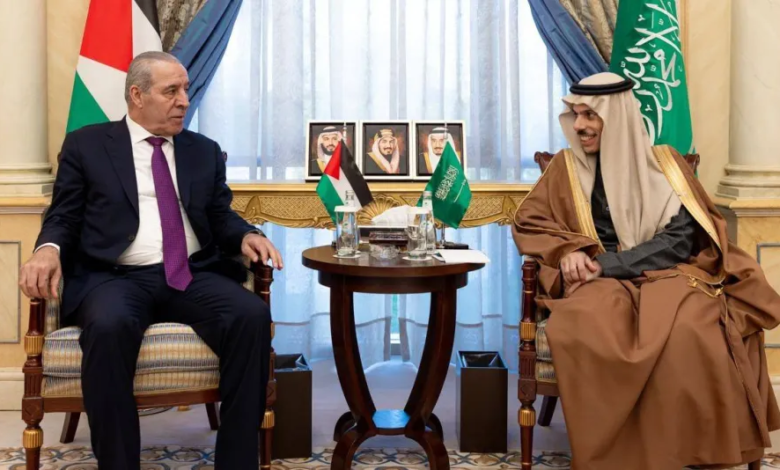
The political arena has recently witnessed intensive Saudi-Palestinian talks, which focused primarily on the necessity of reaching a just and lasting settlement to the Palestinian issue, guaranteeing the legitimate rights of the Palestinian people. These talks come at a critical juncture for the region, necessitating joint Arab coordination to confront current challenges and steer the peace process back on track in accordance with international resolutions.
Established principles and historical support
These talks are not a passing event, but rather an extension of decades of unwavering Saudi support for the Palestinian cause. From the era of the Kingdom's founder, King Abdulaziz Al Saud—may God have mercy on him—to the present reign of the Custodian of the Two Holy Mosques, King Salman bin Abdulaziz, and his Crown Prince, the Kingdom of Saudi Arabia has consistently considered the Palestinian cause its foremost priority. This stance rests on solid historical foundations, most notably the Kingdom's adoption of the Arab Peace Initiative in 2002 at the Beirut Summit, which laid out a clear roadmap for ending the Arab-Israeli conflict in exchange for a full withdrawal from the territories occupied in 1967.
The concept of a fair and comprehensive settlement
When Saudi-Palestinian talks emphasize the term “just settlement,” it clearly indicates a commitment to the two-state solution as an indispensable strategic option. This vision includes the establishment of an independent and sovereign Palestinian state within the June 4, 1967 borders, with East Jerusalem as its capital. The talks also consistently address the necessity of finding a just solution to the refugee issue in accordance with UN General Assembly Resolution 194, and halting all unilateral actions that undermine the prospects for peace, most notably settlement activity.
The regional and international importance of the talks
These consultations gain their importance from the political and economic weight that the Kingdom of Saudi Arabia wields on both the regional and international stages. Saudi-Palestinian coordination strengthens the unified Arab position in international forums and constitutes a significant diplomatic pressure point to urge the international community and influential powers, such as the United States and the European Union, to assume their responsibilities toward ending the occupation. Furthermore, the stability of the Middle East remains contingent upon finding a just and lasting solution to this central issue, as Riyadh consistently affirms that sustainable peace is the key to security and prosperity for all the peoples of the region.
In conclusion, these talks reflect a principled and moral commitment from the Saudi side towards our brothers in Palestine, and confirm that the path to peace passes through the gateway of justice and the implementation of international legitimacy resolutions, far from partial or temporary solutions.