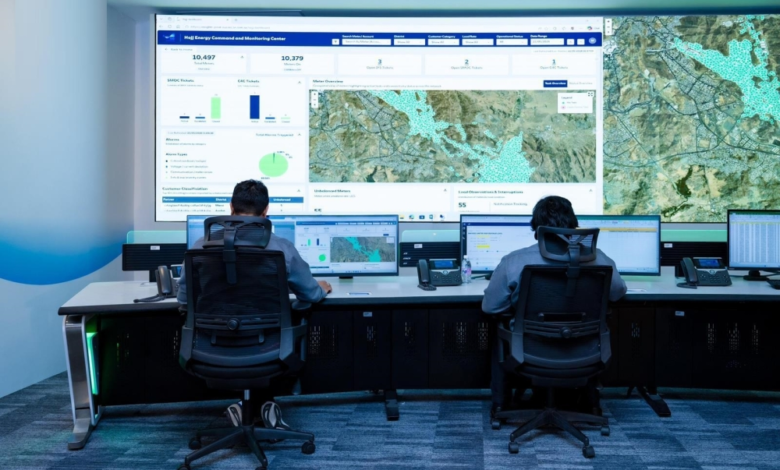

إنجاز تشغيلي غير مسبوق في المشاعر المقدسة
أعلنت “السعودية للطاقة” عن نجاح خطتها التشغيلية لموسم حج عام 1445هـ، حيث تمكنت من إدارة وتلبية أحمال كهربائية تاريخية في مكة المكرمة والمشاعر المقدسة دون تسجيل أي انقطاعات مؤثرة. ويأتي هذا الإنجاز ليعكس القدرات العالية للمنظومة الكهربائية في المملكة وجاهزيتها للتعامل مع أكبر التجمعات البشرية في العالم، مؤكدةً على التزامها بتقديم خدمة موثوقة لضيوف الرحمن.
خلفية الحدث: تحديات إدارة أكبر تجمع ديني عالمي
يُعد موسم الحج تحدياً لوجستياً هائلاً، حيث يتوافد ملايين الحجاج من مختلف أنحاء العالم إلى منطقة جغرافية محدودة خلال فترة زمنية قصيرة. وتتطلب إدارة هذا الحدث العالمي بنية تحتية متطورة قادرة على استيعاب الطلب الهائل على الخدمات الأساسية، وفي مقدمتها الطاقة الكهربائية. على مر العقود، استثمرت المملكة العربية السعودية بشكل مكثف في تطوير البنية التحتية للمشاعر المقدسة، ومع التوسع في الخدمات الفندقية وأنظمة التكييف ووسائل النقل الحديثة مثل قطار المشاعر، تزايد الطلب على الكهرباء بشكل مطرد، مما جعل تأمين إمدادات طاقة مستقرة أولوية قصوى لضمان راحة وسلامة الحجاج.
أرقام قياسية وتقنيات ذكية
شهد الموسم الحالي تسجيل أرقام قياسية في استهلاك الطاقة، حيث بلغ الحمل الذروي في مشعر منى 375 ميجاواط، بينما وصل في مشعر عرفة إلى 464 ميجاواط. ويعود الفضل في إدارة هذه الأحمال بكفاءة عالية إلى الاستعدادات المبكرة التي شملت تطوير منظومة كهربائية ذكية ومؤتمتة بالكامل في المشاعر. وقد تم دعم هذه المنظومة بتقنيات الذكاء الاصطناعي والتحليل الاستباقي للأعطال، مما عزز من كفاءة إدارة الشبكة وسرعة الاستجابة لأي طارئ. كما تم تعزيز شبكات النقل والتوزيع وتنفيذ اختبارات محاكاة للأحمال الفعلية لضمان أعلى مستويات الجاهزية.
الأهمية والتأثير على المستويات المحلية والدولية
لا يقتصر نجاح الخطة التشغيلية على الجانب الفني فحسب، بل يحمل أبعاداً استراتيجية هامة. فعلى الصعيد المحلي، يضمن هذا النجاح تقديم تجربة حج آمنة وميسرة لملايين المسلمين، وهو ما تعتبره المملكة شرفاً ومسؤولية دينية ووطنية. أما على الصعيدين الإقليمي والدولي، فيعزز هذا الإنجاز من مكانة المملكة كقائدة للعالم الإسلامي وقدرتها الفائقة على إدارة الحشود وتنظيم أكبر المناسبات العالمية. كما يقدم نموذجاً ناجحاً لتطبيق أهداف رؤية 2030 المتعلقة بالتحول الرقمي وتطوير البنية التحتية المستدامة.
تكامل وطني ونظرة مستقبلية
أكد الرئيس التنفيذي لـ”السعودية للطاقة”، المهندس خالد بن سالم الغامدي، أن هذا النجاح هو نتاج عمل تراكمي واستثمارات مستمرة في البنية التحتية والتحول الرقمي، وتجسيد للتكامل الوطني بين منظومة الطاقة والجهات الحكومية والخدمية الأخرى. وأشار إلى أن ما يقارب 2200 من كوادر الشركة كانوا على أهبة الاستعداد على مدار الساعة لخدمة ضيوف الرحمن. ومع اختتام موسم الحج الحالي، بدأت الشركة بالفعل استعداداتها للموسم القادم، مؤكدةً على مواصلة العمل لتطوير الشبكة ورفع كفاءتها لمواكبة النمو المتزايد في أعداد الحجاج وتقديم أفضل الخدمات لهم.