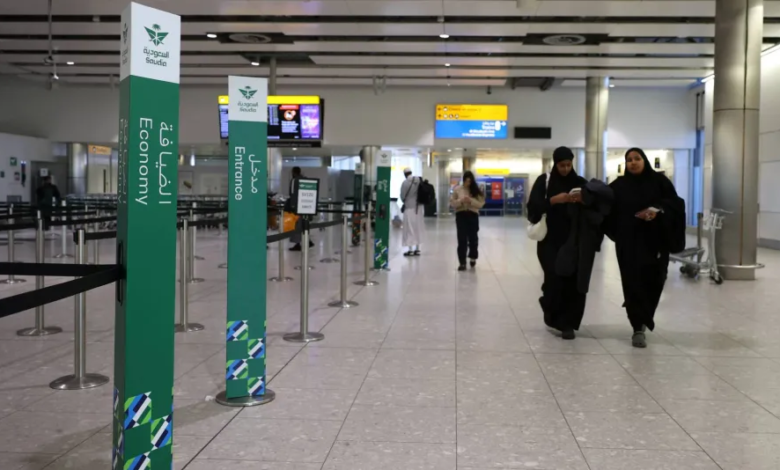
The suspension of Saudi and Qatari flights has been extended due to the closure of airspace

Amid the rapidly evolving situation in the Middle East, major airlines in Saudi Arabia and Qatar have announced the extension of their flight suspensions to certain destinations. This decision comes in response to the continued closure of some airspaces and out of concern for the safety of passengers and crew. The move is a necessary precautionary measure in line with international civil aviation safety standards, as Gulf carriers prioritize the security of their operations above all commercial considerations.
Regional context and the impact of geopolitical tensions
The region is experiencing heightened tensions and a state of anticipation due to escalating geopolitical tensions, prompting authorities in several countries to impose restrictions on the use of their airspace or close it completely for temporary periods. Such measures are standard protocol in cases of conflict or security threats, with civil aviation authorities coordinating continuously to ensure that civilian aircraft are not exposed to any potential risks. The Middle East's airspace is one of the world's busiest and most important air corridors, connecting East and West, making any disruption to it have a significant impact on global travel.
Operational and economic impacts on the aviation sector
The extended suspension of flights and the closure of airspace pose significant logistical and economic challenges for airlines. In addition to canceling direct flights to affected areas, airlines are forced to reroute flights to avoid danger zones. This rerouting typically results in longer flight times and increased fuel consumption, thus raising operating costs. However, Saudi Arabian and Qatari airlines have demonstrated remarkable resilience in dealing with such crises, thanks to their modern fleets and extensive networks, which allow them to provide alternatives and solutions to minimize disruption for passengers.
Historical background and importance of air safety
Historically, Gulf airlines have dealt with many similar challenges over the past decades and have gained extensive experience in crisis management. These companies adhere to the guidelines of international organizations such as the International Civil Aviation Organization (ICAO) and the International Air Transport Association (IATA). The decision to extend the suspension reflects a firm commitment to safety standards, as it is always preferable to err on the side of caution until the security situation becomes clearer and more stable, to ensure a safe and stable resumption of air traffic.
Airlines advise passengers to follow official updates through approved channels and company websites to check the status of their flights, as schedules remain subject to change based on ongoing security assessments in the region.