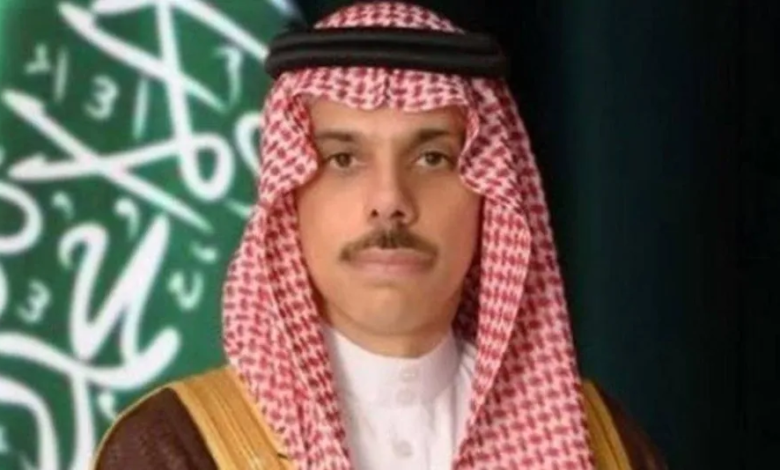

في خطوة تعكس عمق التنسيق والتشاور المستمر بين دول مجلس التعاون الخليجي، عقد وزير الخارجية السعودي، الأمير فيصل بن فرحان بن عبد الله، ونظيره القطري، رئيس مجلس الوزراء وزير الخارجية الشيخ محمد بن عبد الرحمن بن جاسم آل ثاني، اجتماعاً هاماً لمناقشة آخر التطورات على الساحتين الإقليمية والدولية. ويأتي هذا اللقاء في ظل ظروف بالغة التعقيد تمر بها المنطقة، مما يضفي عليه أهمية استثنائية.
السياق العام والخلفية التاريخية:
تأتي هذه المباحثات في سياق مرحلة جديدة من العلاقات السعودية القطرية، التي شهدت زخماً إيجابياً كبيراً منذ “بيان العُلا” في يناير 2021، الذي أنهى الأزمة الخليجية وأعاد اللحمة إلى البيت الخليجي. ومنذ ذلك الحين، عملت الرياض والدوحة على تعزيز شراكتهما الاستراتيجية في مختلف المجالات السياسية والاقتصادية والأمنية. ويُعد التنسيق المستمر على مستوى وزراء الخارجية ركيزة أساسية في هذه العلاقة، حيث يهدف إلى توحيد المواقف والرؤى تجاه التحديات المشتركة، وعلى رأسها تحقيق الأمن والاستقرار في منطقة الشرق الأوسط.
ملف غزة يتصدر المباحثات:
استحوذت التطورات المأساوية في قطاع غزة على حيز كبير من المباحثات. وناقش الوزيران الجهود الدبلوماسية المبذولة للتوصل إلى وقف فوري لإطلاق النار، وإنهاء معاناة المدنيين، وضمان تدفق المساعدات الإنسانية بشكل كافٍ ومستدام إلى القطاع. وتلعب دولة قطر دوراً محورياً في جهود الوساطة بين الأطراف المختلفة، بينما تقود المملكة العربية السعودية حراكاً دبلوماسياً واسعاً على الساحة الدولية لحشد الدعم للقضية الفلسطينية والتأكيد على ضرورة إقامة دولة فلسطينية مستقلة كحل دائم للصراع.
أهمية الحدث وتأثيره المتوقع:
يكتسب هذا الاجتماع أهميته من كونه يجمع بين اثنتين من القوى الإقليمية المؤثرة. فالتوافق السعودي-القطري يبعث برسالة قوية حول وحدة الموقف الخليجي والعربي تجاه القضايا المصيرية. ومن المتوقع أن يسهم هذا التنسيق في:
- على المستوى الإقليمي: تعزيز الضغط الدبلوماسي للتوصل إلى حلول سياسية للأزمات، لا سيما في فلسطين واليمن والسودان، ومواجهة التحديات الأمنية المتعلقة بأمن الملاحة في البحر الأحمر.
- على المستوى الدولي: تقديم رؤية عربية موحدة للمجتمع الدولي حول سبل تحقيق الاستقرار في المنطقة، والتأكيد على أن الحلول العسكرية لن تجلب أمناً دائماً، وأن الحوار والدبلوماسية هما السبيل الوحيد لحل النزاعات.
وفي الختام، يؤكد اللقاء على أن التشاور الثنائي بين الرياض والدوحة ليس مجرد بروتوكول دبلوماسي، بل هو آلية عمل فعالة لخدمة المصالح المشتركة وتعزيز الأمن الجماعي في منطقة تواجه تحديات غير مسبوقة.