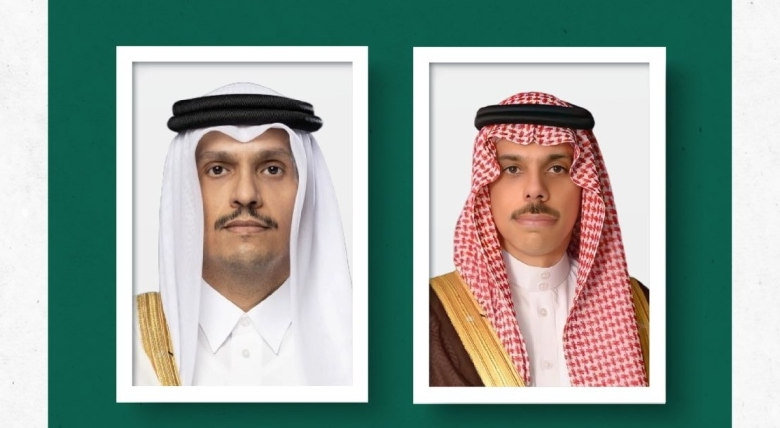

في خطوة تعكس عمق التشاور المستمر بين الرياض والدوحة، أجرى صاحب السمو الأمير فيصل بن فرحان بن عبدالله، وزير الخارجية السعودي، اتصالاً هاتفياً مع معالي الشيخ محمد بن عبدالرحمن بن جاسم آل ثاني، رئيس مجلس الوزراء وزير خارجية دولة قطر. ويأتي هذا الاتصال في إطار التنسيق الدوري بين البلدين الشقيقين لمواجهة التحديات المتسارعة التي تشهدها المنطقة.
خلفية العلاقات السعودية القطرية
ترتبط المملكة العربية السعودية ودولة قطر بعلاقات تاريخية وأخوية راسخة، تستند إلى روابط الدين واللغة والجوار والمصير المشترك. وتشكل الدولتان ركيزتين أساسيتين في منظومة مجلس التعاون لدول الخليج العربية، حيث تلعبان دوراً محورياً في تعزيز العمل الخليجي المشترك. شهدت هذه العلاقات مرحلة جديدة من التعاون الاستراتيجي المكثف بعد قمة “العلا” التي عقدت في يناير 2021، والتي دشنت عهداً من التضامن والتكامل، وأكدت على أهمية توحيد الصف لمواجهة التحديات الإقليمية والدولية. ومنذ ذلك الحين، تتسم العلاقات بتنسيق عالي المستوى على كافة الأصعدة السياسية والاقتصادية والأمنية، مما يعزز من استقرار المنطقة بأكملها.
أبرز الملفات على طاولة المباحثات
خلال الاتصال، تم استعراض آخر المستجدات على الساحة الإقليمية والدولية. وفي مقدمة هذه الملفات، تأتي التطورات في قطاع غزة والجهود المبذولة للتوصل إلى وقف فوري لإطلاق النار، حيث تلعب كل من السعودية وقطر دوراً دبلوماسياً بارزاً في حشد الدعم الدولي وتقديم المساعدات الإنسانية. كما ناقش الوزيران سبل تعزيز الأمن والاستقرار في المنطقة، في ظل التوترات المتصاعدة في البحر الأحمر وتأثيرها على الملاحة الدولية، بالإضافة إلى استعراض جهود البلدين المشتركة لدعم الحلول السياسية للأزمات في اليمن والسودان، والتأكيد على ضرورة الحفاظ على سيادة الدول ووحدة أراضيها.
أهمية التنسيق وتأثيره المستقبلي
يكتسب هذا التنسيق الثنائي أهمية بالغة على عدة مستويات. فعلى الصعيد الثنائي، يعزز الاتصال من الشراكة الاستراتيجية بين الرياض والدوحة. وعلى الصعيد الإقليمي، يرسل رسالة واضحة بوحدة الموقف الخليجي تجاه القضايا المصيرية، مما يقوي من قدرة مجلس التعاون على التأثير في مجريات الأحداث. دولياً، يُبرز الدور المحوري الذي تلعبه القوى الإقليمية الفاعلة كالسعودية وقطر في جهود الوساطة وحل النزاعات، وهو ما يجعلهما شريكين لا غنى عنهما للمجتمع الدولي في السعي نحو تحقيق السلام والاستقرار في منطقة الشرق الأوسط.