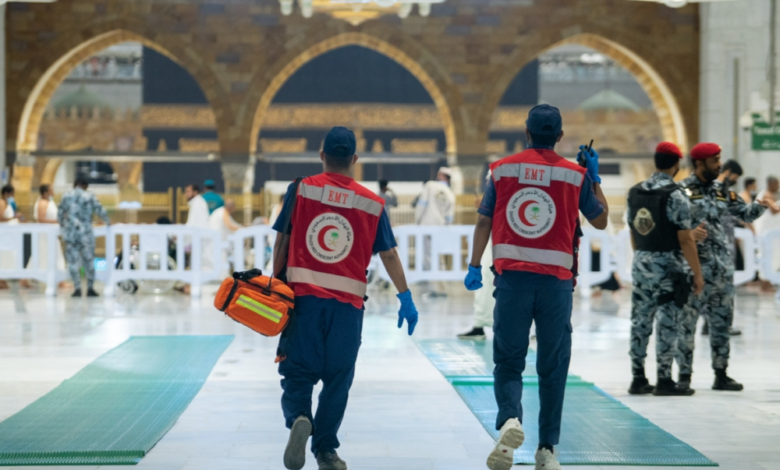
The Saudi Red Crescent Authority branch in the Makkah region announced the statistics of its ambulance operations during the first third of the holy month of Ramadan, as the ambulance teams responded to 15,150 various reports, reflecting the size of the effort made and the high level of preparedness to deal with the huge human density that the holy capital witnesses during this spiritual season.
Context of the event and the importance of preparing for the Umrah season
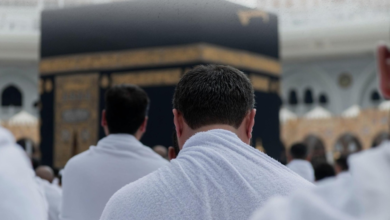
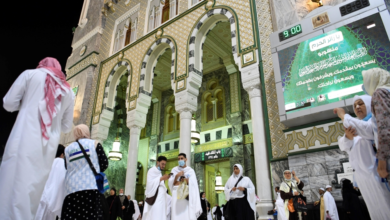
These statistics are particularly significant given the religious importance of Mecca, which receives millions of pilgrims and visitors from within the Kingdom and abroad during Ramadan. This intensive field effort is part of the Kingdom of Saudi Arabia's commitment to providing the highest standards of healthcare and safety for pilgrims, aligning with the goals of Vision 2030, which prioritizes serving pilgrims and ensuring a safe and accessible spiritual experience.
The ambulance teams face logistical challenges in managing crowds and providing rapid access to emergency cases in the central areas around the Grand Mosque, which the authority has overcome through proactive operational plans and a well-thought-out distribution of ambulance centers.
Details of reports and specialized tracks
The branch explained that the reports were handled through an integrated system of command and control centers, where specialized medical pathways were activated to save lives and minimize health complications. In a detailed breakdown of the specific cases, the cardiac catheterization pathway handled 29 critical cases, while the stroke pathway handled 39 cases, confirming the efficiency of the paramedics in rapid medical triage and directing patients to the appropriate healthcare facilities.
The efforts were not limited to ground ambulances, but air ambulances played a pivotal role in transporting the most critical cases, as 13 cases were transported by air to ensure rapid access to specialized hospitals, thus bypassing any traffic obstacles that might be imposed by the density of traffic in the streets of Mecca.
Peak times and operational pressure
The authority's analytical data revealed that peak times and operational pressure were concentrated daily in the evening, specifically from 4:00 PM until midnight. This period coincides with the movement of pilgrims breaking their fast and performing Taraweeh prayers, increasing the likelihood of emergencies and exhaustion among Umrah performers. The tenth day of Ramadan saw a record number of reports, reaching 1,860 in a single day.
Continuous readiness and joint coordination
The Saudi Red Crescent Authority affirmed its continued readiness at the highest level throughout the holy month of Ramadan, while enhancing coordination with all relevant security and health authorities. This integrated system aims to bolster rapid response times and provide ambulance services befitting the Kingdom's stature and the pilgrims visiting the Holy Mosque, harnessing all its human and technological resources to serve humanity and preserve lives.