
في إطار الاستعدادات المكثفة لموسم الحج، كثفت هيئة الهلال الأحمر السعودي بمنطقة المدينة المنورة جهودها الميدانية الاستثنائية خلال فترة تفويج حجاج بيت الله الحرام. وتأتي هذه الجهود لتأمين رحلة ضيوف الرحمن المتجهين من المدينة المنورة إلى مكة المكرمة عبر طريق الهجرة السريع، وذلك ضمن الخطة التشغيلية الشاملة لموسم حج هذا العام 1447هـ. وتهدف هذه الاستعدادات المتكاملة إلى تأمين المسار الإسعافي على امتداد هذا الطريق الحيوي الذي يشهد كثافة مرورية عالية جداً خلال أيام التفويج.
الأهمية التاريخية والاستراتيجية لطريق الهجرة
يُعد طريق الهجرة الشريان الرئيسي الذي يربط بين المدينتين المقدستين، مكة المكرمة والمدينة المنورة. ويحمل هذا الطريق دلالات تاريخية وإسلامية عميقة، إذ يقتفي أثر الرحلة النبوية الشريفة. وفي العصر الحديث، أولت حكومة المملكة العربية السعودية اهتماماً بالغاً بتطوير هذا الطريق وتزويده بكافة الخدمات، ليصبح واحداً من أهم الطرق السريعة وأكثرها أماناً. وتتجلى أهمية تأمين هذا الطريق في كونه الممر الأساسي لملايين الحجاج والمعتمرين سنوياً، مما يجعل التواجد الإسعافي المكثف ضرورة حتمية لضمان سلامة ضيوف الرحمن، وهو ما يتماشى مع مستهدفات رؤية السعودية 2030 في تقديم أفضل الخدمات للحجاج وتيسير رحلتهم الإيمانية.
تفاصيل الخطة الإسعافية وتوزيع النقاط
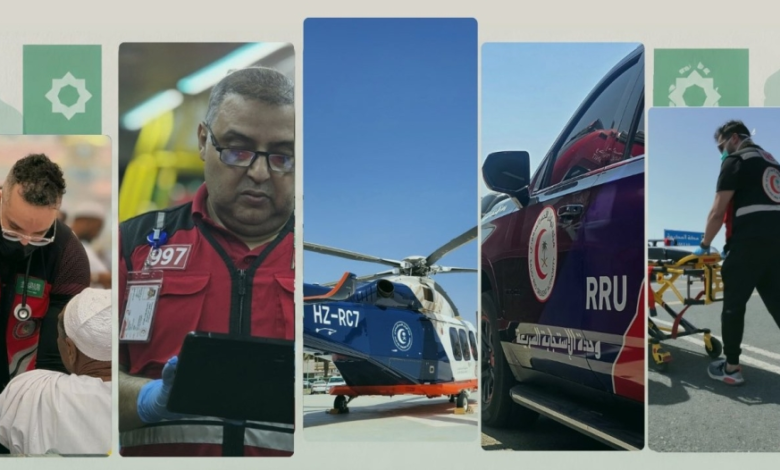
أوضح مدير عام فرع هيئة الهلال الأحمر بمنطقة المدينة المنورة، أحمد بن علي الزهراني، تفاصيل الخطة الميدانية الدقيقة. حيث تنطلق خطة التفويج من مسجد ميقات ذي الحليفة، والذي يُعد إحدى نقاط التجمع والانطلاق الرئيسة للحجاج. وقد جرى رفع الجاهزية الإسعافية القصوى عبر تشغيل منظومة متكاملة تشمل:
- 16 وحدة إسعافية: تتضمن 14 فرقة ميدانية متخصصة، وفرقتي تدخل سريع للتعامل مع الحالات الطارئة بمرونة عالية.
- مركبات نوعية متطورة: تم الدفع بـ 3 مركبات نوعية تحمل أسماء “أحد” و”سند” و”طويق”، وهي مجهزة بأحدث التقنيات الطبية.
- كوادر بشرية مؤهلة: يعمل على هذه المنظومة 60 مقدم خدمة إسعافية على مدار الساعة لضمان سرعة الاستجابة.
وبين الزهراني أن التغطية الميدانية على طريق الهجرة وُزعت استراتيجياً على 11 نقطة انطلاق إسعافية. وتضم هذه التغطية 7 نقاط ثابتة تعمل على مدار الساعة دون توقف، بالإضافة إلى 3 نقاط تمركز إضافية يتم تفعيلها في أوقات الذروة لتلبية الطلب المتزايد مع التدفق الهائل للحجيج.
دعم الإسعاف الجوي وتأثيره المتوقع
لضمان أعلى مستويات الاستجابة، أكدت الهيئة الجاهزية التامة لخدمات الإسعاف الجوي. ويأتي هذا الدعم الجوي لتعزيز عمليات التفويج ونقل الحالات الحرجة التي تتطلب تدخلاً طبياً عاجلاً ورعاية إسعافية متقدمة في أسرع وقت ممكن، متجاوزين بذلك أي عوائق أو اختناقات مرورية قد تحدث على الأرض.
تأثير الحدث محلياً ودولياً
إن هذه الجهود الجبارة لا تقتصر آثارها على المستوى المحلي فحسب، بل تمتد لتترك أثراً إيجابياً واسعاً على المستوى الإقليمي والدولي. فمن خلال توفير هذه الرعاية الصحية الفائقة، ترسل المملكة رسالة طمأنينة لملايين المسلمين حول العالم بأن ضيوف الرحمن في أيدٍ أمينة ويحظون برعاية استثنائية. وتأتي هذه الخطوات ضمن التزام هيئة الهلال الأحمر بالخطة الوطنية الموحدة للحج، وحرصها الدائم على تسخير كافة الإمكانات البشرية والآليات المتقدمة لتقديم أفضل مستويات الخدمة والرعاية الصحية والإسعافية لضيوف الرحمن خلال رحلتهم الإيمانية إلى المشاعر المقدسة.