
مقدمة: الموقف السعودي الثابت تجاه الاستقرار الإقليمي
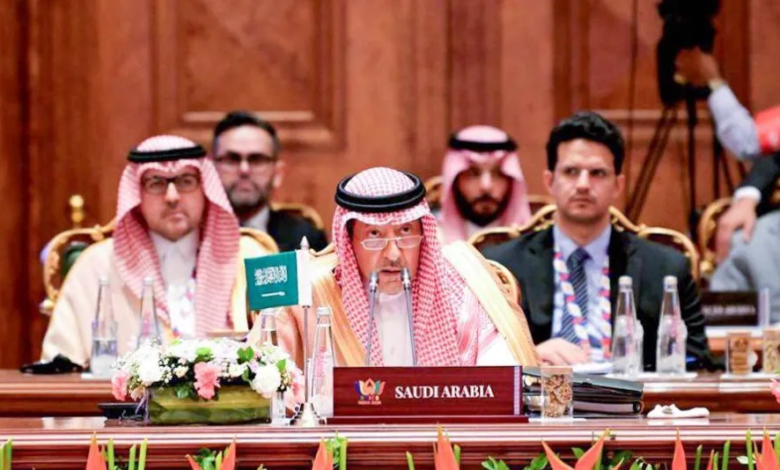
في ظل التحديات الجيوسياسية المتسارعة التي يشهدها العالم، يأتي التأكيد السعودي المستمر على أهمية الحوار كركيزة أساسية لدعم جهود تعزيز الاستقرار الإقليمي والدولي. وتتبنى المملكة العربية السعودية سياسة خارجية متزنة تهدف إلى نزع فتيل الأزمات، وتغليب لغة العقل والدبلوماسية على خيارات التصعيد العسكري. إن هذا النهج ليس وليد اللحظة، بل هو امتداد لتاريخ طويل من المبادرات السعودية الرامية إلى إحلال السلام في منطقة الشرق الأوسط، والتي تعد من أكثر مناطق العالم حيوية وتأثيراً على الساحة الدولية.
السياق العام والخلفية التاريخية للجهود الدبلوماسية السعودية
تاريخياً، لعبت المملكة العربية السعودية دوراً محورياً في التوسط لحل العديد من النزاعات العربية والإقليمية. من أبرز هذه المحطات التاريخية “اتفاق الطائف” الذي أنهى الحرب الأهلية اللبنانية، ومبادرة السلام العربية في عام 2002 التي قدمتها المملكة كخارطة طريق شاملة لحل النزاع الفلسطيني الإسرائيلي. وفي السياق المعاصر، برزت الجهود السعودية في استضافة محادثات السلام المتعلقة بالأزمة السودانية في مدينة جدة، بالإضافة إلى مساعيها المستمرة لإيجاد حل سياسي شامل للأزمة في اليمن. كما شكل الاتفاق السعودي الإيراني، الذي تم برعاية صينية لاستئناف العلاقات الدبلوماسية، نقطة تحول استراتيجية تؤكد التزام الرياض بتصفير المشاكل الإقليمية والتوجه نحو بناء علاقات حسن جوار قائمة على الاحترام المتبادل وعدم التدخل في الشؤون الداخلية للدول.
أهمية الحوار وتأثيره على المستوى المحلي والإقليمي والدولي
التأثير المحلي: رؤية 2030 والتنمية المستدامة
على الصعيد المحلي، تدرك القيادة السعودية أن تحقيق أهداف “رؤية السعودية 2030” الطموحة يتطلب بيئة إقليمية آمنة ومستقرة. إن التحول الاقتصادي، وجذب الاستثمارات الأجنبية، وتطوير قطاعات جديدة مثل السياحة والترفيه والتكنولوجيا، كلها عوامل تعتمد بشكل مباشر على استقرار المنطقة. لذلك، فإن تعزيز الاستقرار الإقليمي ينعكس إيجاباً على مسيرة التنمية الداخلية، ويضمن توجيه الموارد الوطنية نحو البناء والتطوير بدلاً من استنزافها في الصراعات والأزمات.
التأثير الإقليمي: شرق أوسط مزدهر
إقليمياً، يساهم النهج السعودي الداعم للحوار في خلق بيئة مواتية للتعاون الاقتصادي والتكامل الإقليمي. إن خفض التصعيد يفتح المجال أمام الدول العربية ودول الجوار للتركيز على التنمية المشتركة، ومواجهة التحديات العابرة للحدود مثل التغير المناخي، والأمن الغذائي، ومكافحة الإرهاب والتطرف. وتؤمن المملكة بأن استقرار الشرق الأوسط هو مسؤولية مشتركة تتطلب تضافر الجهود وتغليب المصالح العليا لشعوب المنطقة.
التأثير الدولي: أمن الطاقة والتجارة العالمية
دولياً، يحظى الاستقرار في منطقة الخليج العربي والشرق الأوسط بأهمية بالغة للاقتصاد العالمي. فالمملكة العربية السعودية، بصفتها من أكبر مصدري النفط في العالم، تلعب دوراً حاسماً في ضمان أمن إمدادات الطاقة العالمية. إن أي توتر في هذه المنطقة الحيوية، التي تضم أهم الممرات المائية الاستراتيجية مثل مضيق هرمز والبحر الأحمر، ينعكس فوراً على حركة التجارة الدولية والأسواق العالمية. ومن هنا، فإن التأكيد السعودي على الحوار يلقى ترحيباً ودعماً واسعاً من المجتمع الدولي، الذي يرى في الرياض شريكاً موثوقاً وصمام أمان يحافظ على التوازن والاستقرار العالمي.
خاتمة
ختاماً، يمثل التأكيد السعودي على أهمية الحوار لدعم جهود تعزيز الاستقرار الإقليمي رسالة واضحة مفادها أن السلام والتنمية هما الخيار الاستراتيجي للمملكة. ومن خلال دبلوماسيتها النشطة ومبادراتها المستمرة، تثبت السعودية يوماً بعد يوم أن لغة الحوار والتعاون هي السبيل الأوحد لتجاوز الأزمات وبناء مستقبل مشرق ومزدهر للأجيال القادمة في منطقة الشرق الأوسط والعالم أجمع.