Al-Sayari: Pegging the riyal to the dollar protected Saudi Arabia from global inflation

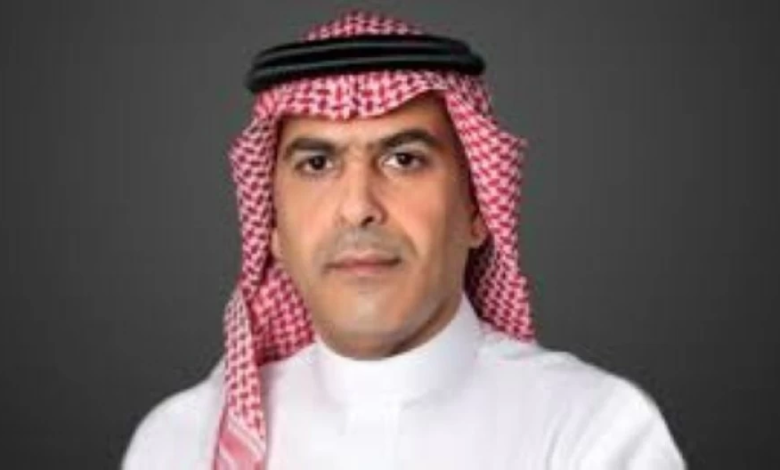
His Excellency the Governor of the Saudi Central Bank (SAMA), Mr. Ayman bin Mohammed Al-Sayari, affirmed that the Kingdom's monetary policy of pegging the Saudi Riyal to the US Dollar has proven its effectiveness as a cornerstone of the country's financial and economic stability. Mr. Al-Sayari explained that this policy, supported by substantial and reassuring foreign exchange reserves, has played a pivotal role in shielding the Kingdom from global inflationary waves, maintaining domestic price stability and keeping the average annual inflation rate below 3% over the past five years—a rate among the lowest globally compared to major and emerging economies.
The historical and economic importance of a fixed exchange rate policy
Saudi Arabia has maintained a fixed exchange rate of 3.75 riyals to the US dollar since the mid-1980s, a strategic choice that has contributed to a stable and attractive investment environment for foreign capital. Economic experts indicate that this peg has shielded the Saudi economy from global currency fluctuations and currency wars, and has also helped stabilize import costs, positively impacting the purchasing power of citizens and residents. Al-Sayari's remarks reaffirm the central bank's continued commitment to this policy, which serves as a safeguard for the national economy amidst geopolitical shifts.
Challenges of uncertainty in the global economy
The governor's remarks came during his participation in a dialogue session entitled "The Implications of Global Uncertainty on International Monetary and Financial Systems," as part of the Al-Ula Emerging Markets Economies Conference 2026. This important event, hosted by the historic Al-Ula Governorate, is witnessing a high-level attendance that includes finance ministers, central bank governors, and leaders of international financial institutions, in partnership between the Saudi Ministry of Finance and the International Monetary Fund.
In his analysis of the international economic situation, Al-Sayyari pointed out that the state of uncertainty is no longer a passing phase, but has become a structural phenomenon in the global economy. He attributed this to several key factors, most notably geopolitical fragmentation, rapid technological advancements that are transforming the financial sector, and the volatility of commodity prices. He also highlighted the risks stemming from the expansion of non-bank financial intermediation, which now constitutes more than 50% of global financial assets, thus posing new regulatory challenges.
Foreign reserves and their role in Vision 2030
Al-Sayari emphasized that the Kingdom's successful experience highlights the importance of building strong buffers, represented by sufficient foreign currency reserves, along with integrated monetary and fiscal policy frameworks. This integration supports the objectives of "Vision 2030" by providing the necessary stability for private sector growth and diversifying income sources away from oil.
The governor concluded his remarks by calling for enhanced international cooperation to address the challenges of debt and trade fragmentation, stressing the need to improve the quality of regulatory reports and standardize criteria to ensure the stability of emerging markets, and to accelerate the exchange of knowledge and expertise between legislative systems to keep pace with financial technology developments.