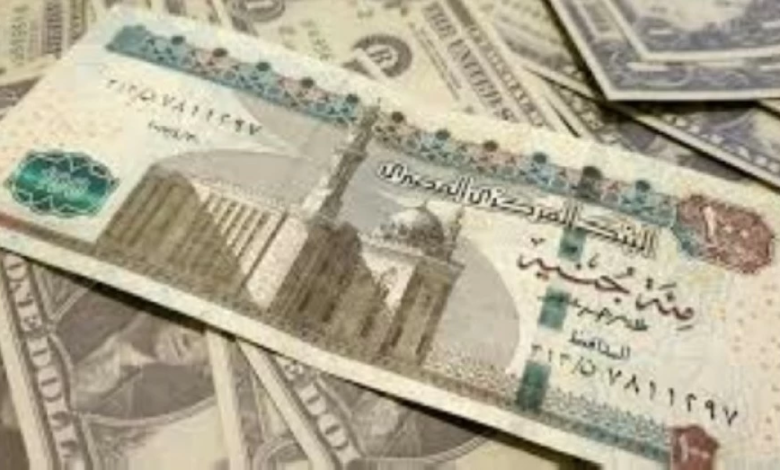

The Saudi riyal remained remarkably stable against the Egyptian pound in trading today, coinciding with the weekend holiday for Egyptian banks and the banking sector. This stability follows slight fluctuations in exchange rates over the past few days, as traders await the banks' reopening on Sunday morning to determine new price indices based on supply and demand mechanisms.
Saudi Riyal exchange rate in Egyptian banks today
Trading screens in Egyptian banks recorded the following prices for the Saudi Riyal, with the average price at the Central Bank of Egypt about 12.59 Egyptian pounds for buying and 12.62 Egyptian pounds for selling, reflecting relative stability in the official market.
At the two largest state-owned banks, the National Bank of Egypt and Banque Misr , the Saudi riyal was trading at 12.55 Egyptian pounds for buying and 12.62 Egyptian pounds for selling. Prices at other banks were as follows:
- Bank of Alexandria: 12.56 EGP for buying, and 12.61 EGP for selling.
- Commercial International Bank (CIB): 12.57 EGP for buying, and 12.62 EGP for selling.
- Abu Dhabi Islamic Bank: 12.59 Egyptian pounds for buying, and 12.62 Egyptian pounds for selling.
- Al Baraka Bank: 12.59 EGP for buying, and 12.61 EGP for selling.
- Suez Canal Bank: 12.54 Egyptian pounds for buying, and 12.63 Egyptian pounds for selling.
Compared to yesterday's trading
Looking at yesterday's trading, the market saw only slight movements. The Central Bank of Egypt recorded a buying price of 12.54 and a selling price of 12.58, indicating a slight increase in trading before the holiday. Abu Dhabi Commercial Bank also recorded a favorable buying price of 12.36 Egyptian pounds and a selling price of 12.70 Egyptian pounds.
The importance of the Saudi Riyal in the Egyptian economy
The Saudi riyal's exchange rate is of paramount importance to the Egyptian public and the local economy for several strategic reasons. Firstly, Saudi Arabia is the primary destination for Egyptians working abroad, and their remittances in Saudi riyals represent a crucial source of foreign currency for Egypt, contributing significantly to the Central Bank's foreign exchange reserves.
Secondly, the demand for the Saudi riyal is linked to religious tourism seasons (Hajj and Umrah), where demand increases seasonally to cover the expenses of pilgrims, sometimes putting downward pressure on the exchange rate during peak seasons. Egyptian banks work to provide Saudi currency to meet these needs within established regulatory frameworks.
Exchange rate determination mechanisms
Since the Central Bank of Egypt's decision to float the Egyptian pound and allow supply and demand to determine its value against foreign currencies, prices have become more flexible and fluctuate daily based on cash flows and the volume of commercial and investment demand. This system is part of Egypt's economic reform program aimed at regulating the parallel market and attracting foreign investment, making daily price monitoring essential for both importers and consumers.