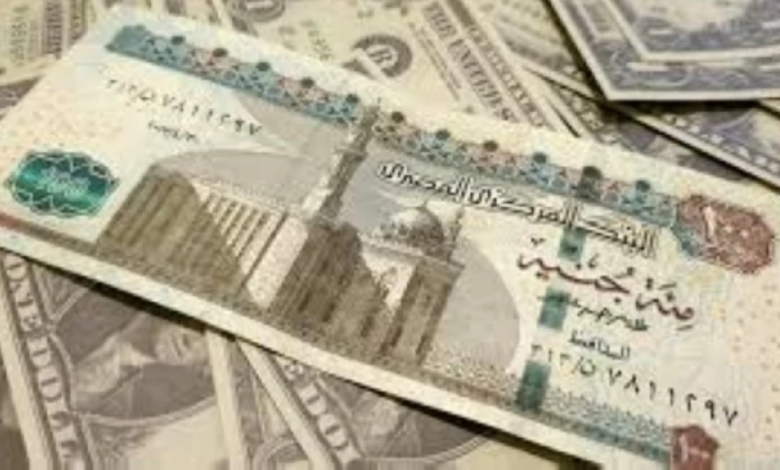

The Saudi riyal saw remarkable stability against the Egyptian pound today across all banks operating within the Egyptian banking sector, coinciding with the banks' weekend holiday (Friday and Saturday). This stability reflects the relative calm that has prevailed in the official exchange market recently, with the average price of the riyal at the Central Bank of Egypt recording approximately 12.67 Egyptian pounds for buying and 12.70 Egyptian pounds for selling.
Details of Saudi Riyal exchange rates in Egyptian banks
According to the latest trading screens, the exchange rates of the Saudi currency in the most prominent government and private banks were as follows:
- National Bank of Egypt and Banque Misr: The price recorded 12.63 Egyptian pounds for buying and 12.70 Egyptian pounds for selling. They are the two largest government banks that hold the largest share of banking transactions.
- Commercial International Bank (CIB): The price was 12.65 Egyptian pounds for buying and 12.70 Egyptian pounds for selling.
- Abu Dhabi Islamic Bank: The highest buying price was recorded at 12.68 pounds, while the selling price was recorded at 12.71 pounds.
- Bank of Alexandria: Recorded 12.66 pounds for buying, and 12.70 pounds for selling.
- Suez Canal Bank: Recorded 12.63 pounds for buying, and 12.71 pounds for selling.
The importance of exchange rate stability and its economic impact
The Saudi riyal holds immense importance in Egypt, not only because it is the currency of a sister nation, but also due to the strong economic and trade ties between Egypt and Saudi Arabia. Remittances from Egyptians working abroad, particularly in the Kingdom, are a major source of foreign currency for the Egyptian economy. Therefore, maintaining a stable and fair exchange rate encourages expatriates to transfer their savings through legitimate channels (banks), thus bolstering foreign currency reserves.
Economic background and exchange rate liberalization
This stability comes within the framework of the monetary policies recently adopted by the Central Bank of Egypt, which aim to eliminate the parallel market and unify the exchange rate. Following the liberalization (floating) of the exchange rate in Egypt, the gap between the official rate and the black market rate has begun to narrow, creating a more attractive and stable investment environment. This stability benefits importers and citizens wishing to perform Hajj and Umrah, as they can now obtain their Saudi currency needs through banks at clear and transparent rates, eliminating the speculation that previously occurred.
In conclusion, traders are waiting for banks to return to work on Sunday morning to see if there are any new price movements, but expectations indicate that relative calm will continue given the availability of dollar liquidity and foreign currency in the banking sector.