
Details of intercepting and destroying ballistic missiles and drones
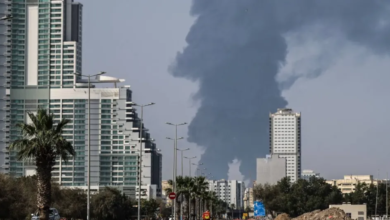
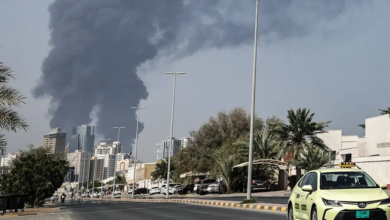
In a new security and military achievement reflecting the efficiency of its armed forces, the Kingdom of Saudi Arabia announced the successful interception and destruction of 10 ballistic missiles and 24 explosive-laden drones launched towards various regions within the Kingdom. This event underscores the high level of readiness of the Royal Saudi Air Defense Forces in countering terrorist threats and protecting civilian infrastructure and civilians from indiscriminate attacks launched by the Iranian-backed Houthi militias.
General context and historical background of the attacks
The past few years have witnessed a continuous escalation by the Houthi militias in Yemen, who have consistently used explosive-laden drones and ballistic missiles to target Saudi territory. These attacks are part of the militias' strategy to pressure the Kingdom and the Arab Coalition supporting the legitimate government in Yemen. Historically, these attacks began to increase after the Arab Coalition intervened in 2015 at the request of the legitimate Yemeni government. Thanks to its advanced defense systems, such as the Patriot missiles, Saudi Arabia has been able to neutralize the vast majority of these threats, significantly reducing human and material losses.
The importance of the event and its expected impact locally, regionally, and internationally
Local impact: Protecting lives and property
Domestically, the simultaneous destruction of such a large number of missiles and drones sends a strong message of reassurance to citizens and residents across the Kingdom. The success of the air defenses in neutralizing these threats ensures the continuation of normal life and protects vital infrastructure, including civilian airports and economic facilities, from any potential damage, thus strengthening internal stability.
Regional impact: Gulf security
Regionally, these attacks highlight Iran’s continued interference in the region through its provision of advanced military technology to the Houthi militias. Saudi Arabia’s response to these attacks underscores its pivotal role as a bulwark of security for the entire region. These events also compel the Gulf Cooperation Council (GCC) states and other Arab countries to strengthen their solidarity and security coordination to counter cross-border threats aimed at destabilizing the Middle East.
International impact: Security of global energy supplies
Internationally, the repercussions of these attacks are not limited to the Kingdom's geographical boundaries but extend to the global economy. Given Saudi Arabia's position as the world's largest oil exporter, any targeting of its vital facilities constitutes a direct threat to the security of global energy supplies and international shipping and trade. Therefore, these attacks are often met with widespread international condemnation from the United Nations, the United States, and the European Union, which consider them a flagrant violation of international humanitarian law and its customary rules.
Compliance with international humanitarian law
The Joint Forces Command of the Coalition consistently affirms that it is taking all necessary operational measures to protect civilians and civilian objects in accordance with international humanitarian law. The destruction of 10 ballistic missiles and 24 drones reflects the Kingdom's commitment to defending its territory and citizens, while continuing to support political and international efforts to reach a peaceful and comprehensive solution to the Yemeni crisis that guarantees the stability of the region.