The General Authority for Roads adopts microsurveying technology for road maintenance

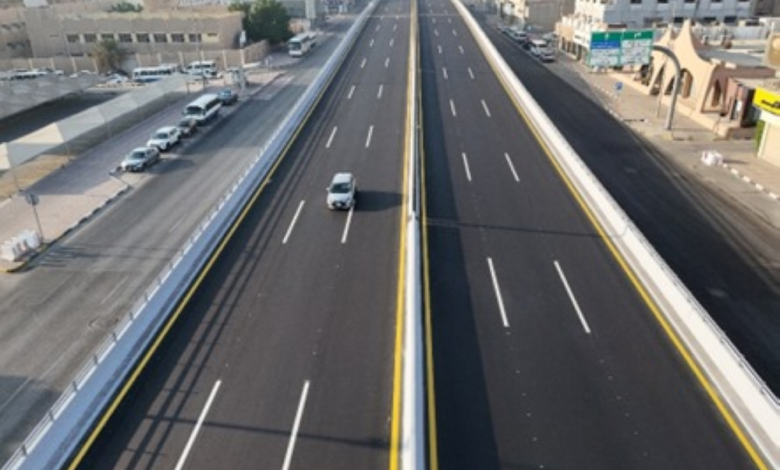
The General Authority for Roads in the Kingdom of Saudi Arabia announced today, Sunday, the start of the actual application of the “road surface improvement” technology known globally as “micro-surfacing,” in a strategic step aimed at bringing about a qualitative shift in the maintenance operations of the national road network, and enhancing traffic safety levels in line with the latest global standards.
Strategic shift in road asset management
This step comes within the framework of a comprehensive transformation led by the Authority to move from traditional reactive maintenance methods to proactive preventive maintenance. Saudi Arabia possesses one of the world's largest road networks, making its maintenance and quality preservation a significant logistical and economic challenge. Microsurveillance technology offers an ideal solution to these challenges, enabling the treatment of initial damage before it worsens, thus protecting the road's structural layers and extending its lifespan for years without the need for costly reconstruction projects.
How the technology works and its features
The new technology relies on a "cold" curing process, using a precise chemical mixture consisting of polymer-modified asphalt emulsion, high-quality fine aggregate, water, and special chemical additives. These components are mixed and mechanically applied to form a thin layer only 5 to 10 millimeters thick. This layer is characterized by its exceptionally fast drying rate, allowing the road to be reopened to traffic within a few hours. This overcomes the major obstacle of traditional maintenance projects, which used to require road closures for days or weeks, causing traffic jams and disrupting the lives of road users.
Sustainable environmental and economic dimensions
The benefits of this technology extend beyond operational aspects to include significant environmental and economic dimensions. Environmentally, cold curing contributes to reducing energy consumption and carbon emissions resulting from traditional asphalt heating processes, directly supporting the Saudi Green Initiative and the Kingdom's efforts to combat climate change. Economically, the lower cost of this technology compared to complete repaving, along with the reduced need for raw materials, contributes to increased efficiency in government spending and maximizes the utilization of financial resources allocated to the transportation sector.
Supporting the goals of the Kingdom's Vision 2030
These efforts directly contribute to achieving the strategic objectives of the roads sector, stemming from the Kingdom's Vision 2030, which aims to position the Kingdom sixth globally in the road quality index. The new layer also increases road surface friction and skid resistance, enhancing safety and contributing to the ambitious goal of reducing road fatalities to less than 5 per 100,000 people. The Authority continues its work to equip the road network with safety features according to the international IRAP classification, ensuring a safe and comfortable travel experience for all road users in the Kingdom.