Launching the Haramain WhatsApp service in 7 languages to serve the pilgrims

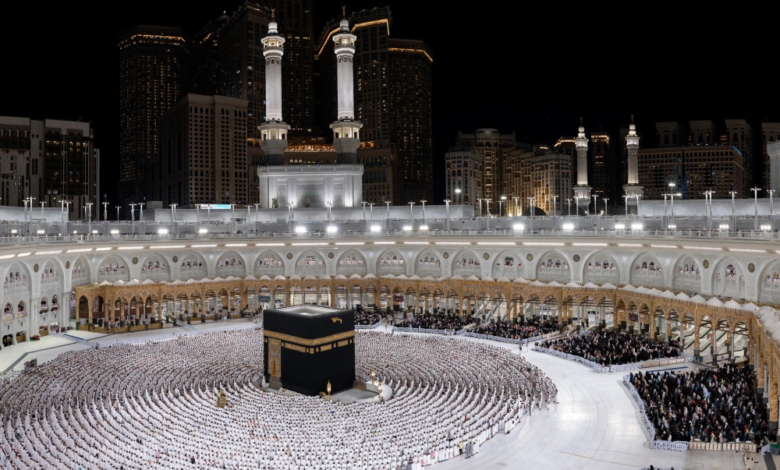
The General Authority for the Care of the Affairs of the Grand Mosque and the Prophet’s Mosque announced a qualitative leap in its digital services through the launch of the “WhatsApp and Chat of the Two Holy Mosques” service, which is an integrated interactive platform that aims to facilitate the journey of the guests of God and provide them with basic information and services with ease and convenience.
A digital leap in line with Vision 2030
This strategic initiative comes as part of the Kingdom of Saudi Arabia's ongoing efforts to leverage artificial intelligence and modern technologies to serve pilgrims visiting the Two Holy Mosques. This step aligns perfectly with the objectives of Vision 2030 and the Guests of God Service Program, which aims to facilitate the hosting of Umrah and Hajj pilgrims and enrich their religious and cultural experience. Digital transformation is a fundamental pillar in the Authority's plans to increase capacity and improve the quality of services provided to millions of visitors annually.
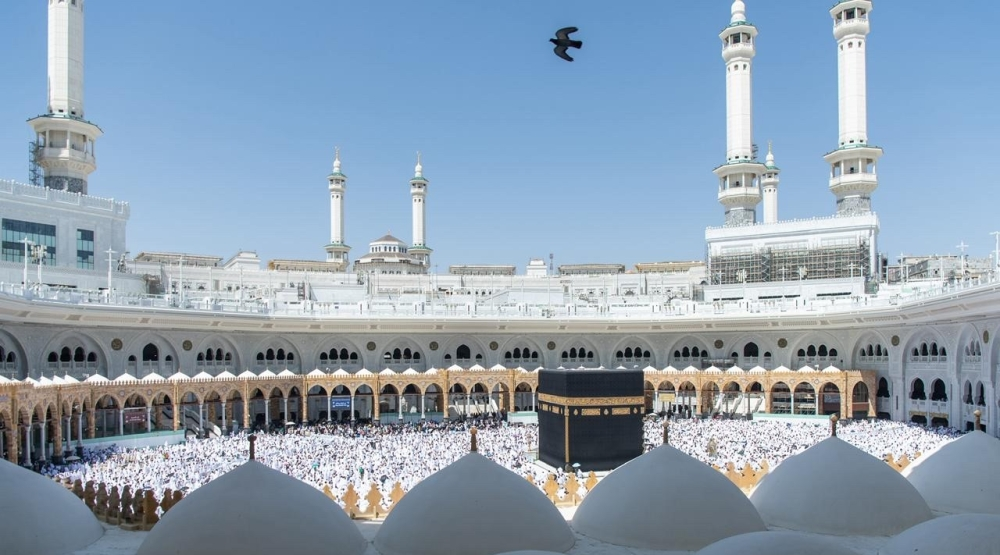
40 digital services and breaking down the language barrier
The new service is designed to be a digital companion for pilgrims and visitors, providing access to over 40 diverse services through a unified platform. To ensure service inclusivity and overcome language barriers that visitors of different nationalities may face, the platform supports seven major world languages:
- Arabic
- english language
- Urdu language
- Chinese language
- Turkish language
- French
- Malay language
This linguistic diversity covers the largest segment of those visiting the Two Holy Mosques, making it easier for them to perform their rituals with complete knowledge and without the need for translators in many cases.
Smart and comprehensive service pathways
Once you access the "Haramain" portal or contact the dedicated WhatsApp number, you can select your preferred language, and the platform will then display a comprehensive list of meticulously categorized services. These services include:
- Hajj services: Guidance and instructions for performing Umrah and prayer.
- Enrichment services: Historical and cultural information about the landmarks of the Two Holy Mosques.
- Health services: Locations of health centers and medical guidance.
- Community services: such as lost and found services and location guidance.
Immediate human support and an advanced reporting system
Recognizing the importance of direct human interaction in cases requiring detailed explanations, the Authority provides Live Agents. A dedicated and trained team works around the clock to answer complex inquiries in the seven approved languages, ensuring immediate resolution of any obstacle a visitor may encounter.
Furthermore, the platform includes an intelligent system for submitting and tracking reports. Users can submit feedback or complaints about any service and track the status of their report until it is closed and processed by the relevant authorities. This system reflects the Authority's commitment to transparency and the application of the highest quality standards by listening to user feedback and continuously improving services.