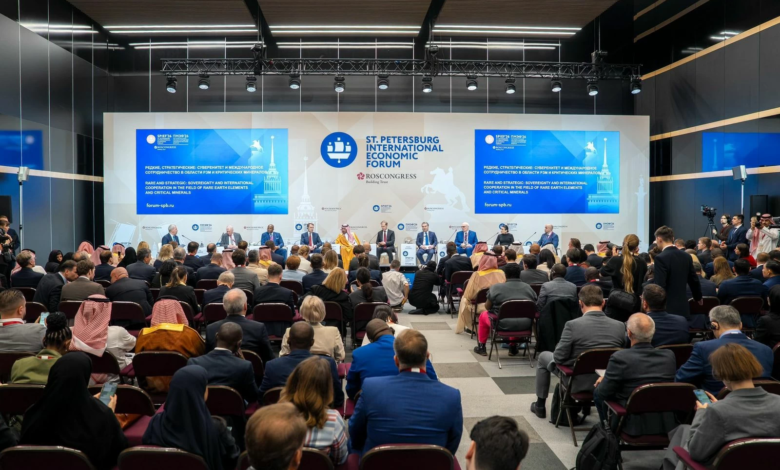

أكد وزير الصناعة والثروة المعدنية السعودي، بندر بن إبراهيم الخريّف، على تطلع المملكة العربية السعودية لتوسيع آفاق التعاون السعودي الروسي في المعادن النادرة والحرجة، وذلك في خطوة استراتيجية تهدف إلى دعم المصالح المشتركة للبلدين والإسهام في بناء سلاسل إمداد عالمية أكثر مرونة واستدامة. جاءت هذه التصريحات الهامة خلال مشاركة الوزير في منتدى سانت بطرسبرغ الاقتصادي الدولي في روسيا، مما يعكس الأهمية المتزايدة التي توليها المملكة لقطاع التعدين كجزء أساسي من رؤيتها المستقبلية.
تأتي هذه المساعي في سياق تحولات اقتصادية عالمية وإقليمية كبرى. فالعلاقات السعودية الروسية شهدت تطوراً ملحوظاً في السنوات الأخيرة، متجاوزة التنسيق في أسواق الطاقة ضمن إطار “أوبك+” لتشمل مجالات اقتصادية واستثمارية متنوعة. وتنظر المملكة إلى روسيا، بما تملكه من خبرات واسعة وموارد طبيعية هائلة في قطاع التعدين، كشريك استراتيجي يمكن التعاون معه لتعظيم القيمة من الثروات المعدنية التي تزخر بها أراضي المملكة.
رؤية 2030 ودور المعادن كركيزة اقتصادية جديدة
يمثل قطاع التعدين إحدى الركائز الأساسية لتحقيق مستهدفات رؤية المملكة 2030، التي تهدف إلى تنويع الاقتصاد الوطني وتقليل الاعتماد على النفط. وفي هذا الإطار، أوضح الخريّف أن المملكة تسعى لأداء دور محوري في قطاع التعدين العالمي، يماثل دورها التاريخي في استقرار أسواق الطاقة. ولتحقيق ذلك، كثفت المملكة خلال السنوات الماضية أعمال المسح الجيولوجي والاستكشاف، مما أسهم في رفع تقديرات الثروة المعدنية غير المستغلة إلى نحو 2.5 تريليون دولار، بزيادة تقارب 90% عن تقديرات عام 2018. هذا الكنز المعدني الهائل يفتح الباب واسعاً أمام شراكات دولية نوعية، مثل تلك التي تسعى إليها المملكة مع روسيا.
أبعاد التعاون السعودي الروسي في المعادن وتأثيره العالمي
لا يقتصر تأثير هذا التعاون على البلدين فقط، بل يمتد ليؤثر على خريطة المعادن العالمية. فالمعادن النادرة والحرجة، مثل الليثيوم والكوبالت والنيوديميوم، تعد عصب الصناعات التكنولوجية المتقدمة وصناعات الطاقة النظيفة، من بطاريات السيارات الكهربائية إلى توربينات الرياح والأجهزة الإلكترونية الدقيقة. ومن خلال بناء شراكات قوية في هذا المجال، يمكن للرياض وموسكو تعزيز أمن إمدادات هذه المواد الحيوية عالمياً، وتقديم بدائل جديدة في سوق تسيطر عليه حالياً قوى دولية محدودة. هذا التوجه يدعم استقرار سلاسل القيمة المضافة ويقلل من مخاطر الاضطرابات الجيوسياسية على الصناعات المستقبلية.
منصات دولية لتعزيز الشراكات
وأشار الوزير الخريّف إلى أن المملكة لم تكتفِ بالجهود المحلية، بل أطلقت “مؤتمر التعدين الدولي” الذي أصبح منصة عالمية رائدة تجمع الحكومات وكبرى شركات التعدين والمؤسسات المالية والجهات الأكاديمية. وقد شهدت النسخة الأخيرة من المؤتمر مشاركة 100 دولة، مما رسّخ مكانته كملتقى رئيسي لبحث تحديات القطاع وتطوير الشراكات اللازمة لمواجهتها. إن هذا الحراك الدبلوماسي والاقتصادي يمهد الطريق لترجمة التطلعات، مثل توسيع التعاون مع روسيا، إلى استثمارات ومشاريع ملموسة تخدم الاقتصاد غير النفطي الذي سجلت صادراته نحو 620 مليار ريال خلال العام الماضي، وشكلت منتجات التعدين جزءاً مهماً منها.