Rain in Al-Baha and Badr Al-Janoub: Meteorology warns of flash floods and strong winds

Saudi Arabia's Meteorology Department warns of severe weather fluctuations
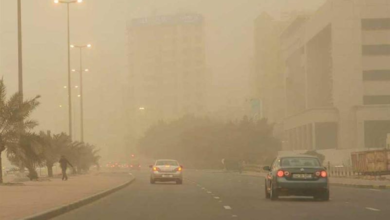
The National Center for Meteorology in Saudi Arabia issued a series of advanced weather alerts on Monday for several southern and western regions, warning of varying intensities of rainfall, potentially reaching heavy levels, in Badr Al-Janoub Governorate in the Najran region and the Al-Baha region and its governorates. The center explained that this weather system will be accompanied by thunderstorms and strong, high-speed winds, which could lead to near-zero horizontal visibility, in addition to hail and flash floods.
Climatic context: Spring rainy season in the Kingdom
These warnings come amidst a transitional climatic period in Saudi Arabia during the spring, known locally as the "Marawih" or "Sarayat" period. This period is characterized by high levels of atmospheric instability resulting from the convergence of different air masses. Warm, humid air masses from the Arabian Sea and the Indian Ocean penetrate the region and collide with cooler air masses from the north. This convergence, particularly over the southwestern mountain ranges such as the Asir and Al-Baha highlands, creates ideal conditions for the formation of massive cumulonimbus clouds, which produce heavy rainfall over short periods. This explains the frequent warnings about the potential for flash floods in valleys and ravines.
Expected effects and the importance of warnings
The importance of these warnings lies in their direct impact on public safety and infrastructure. Locally, the General Directorate of Civil Defense urged citizens and residents to exercise extreme caution, stay away from valleys and flood channels, and avoid crossing them regardless of the water level. Strong winds and reduced visibility are also expected to affect traffic on highways and main roads connecting these areas. While these rains are a vital source for replenishing groundwater and dams and supporting agriculture in these mountainous regions, their sudden intensity poses a significant challenge requiring a rapid response from relevant authorities to manage potential risks, such as road collapses or service disruptions. The rainy conditions are expected to continue, God willing, until 9:00 PM this evening, necessitating continuous monitoring of weather updates and adherence to safety instructions.