Saudi Arabia's spaceport regulations: licensing and construction requirements

In a strategic move aimed at strengthening Saudi Arabia's position as a leading regional and international hub for the space economy, the Communications, Space and Technology Commission (CSTC) has released the Spaceport Regulations document through the "Istilaa" platform. This initiative aims to establish a comprehensive legislative framework to regulate the construction and operation of spaceports, both within the Kingdom and in its launch areas, ensuring the safety of space operations and protecting national interests.
Context of the shift towards a space economy
These new regulations align with the objectives of the Kingdom's Vision 2030, which places great importance on the space sector as a cornerstone of the future non-oil economy. This regulatory move complements the rapid steps the Kingdom has recently taken, from changing the name of the General Authority for Space to include "Space" to sending Saudi astronauts to the International Space Station. These regulations form the necessary legislative infrastructure to attract foreign and domestic investment, as a clear regulatory framework provides confidence to investors and international companies specializing in space launch technologies.
Separating construction and operation
The Authority emphasized in its draft the necessity of precise regulatory separation, with the provisions applying to all spaceport activities, whether land-based, maritime, or within airspace. Under the regulations, any entity wishing to establish a spaceport must obtain a "construction permit," while the entity responsible for management must obtain an "operating permit." The Authority may combine the two permits if it deems this to serve the public interest and market demands.
One-year deadline and seriousness in implementation
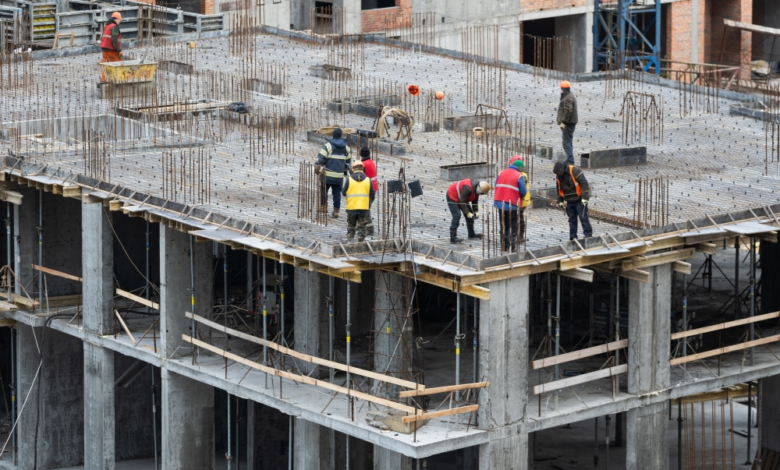
To ensure the seriousness of project implementation and prevent the issuance of licenses without actual work, the Authority has established a strict condition requiring construction companies to commence construction within 12 months of the license issuance date. This condition is crucial in accelerating the development of the Kingdom's space infrastructure, thereby enhancing the country's readiness to host commercial and scientific launches in record time.
Safety standards and environmental impact
The regulations did not overlook environmental and security aspects, requiring the submission of comprehensive environmental impact assessments and a thorough risk analysis, including scenarios involving space debris. Operators were also obligated to develop a comprehensive operational manual, updated annually, covering all safety procedures, organizational structure, and emergency plans, to ensure the protection of lives and property and compliance with international space agreements signed by the Kingdom.
Expected economic and strategic impact
This regulation is expected to contribute to creating high-quality job opportunities in engineering and advanced sciences, as well as localizing the space industry. The Kingdom's geographical location and vast size make it an ideal environment for hosting spaceports that serve the region and the continent, opening new horizons for international cooperation and enhancing the Kingdom's technological sovereignty in this vital field. The Authority has set the operating license period at a minimum of 15 years, providing long-term stability for large-scale investment projects in this sector.