Liverpool bid farewell to the Champions League against PSG with a trophyless season

Paris Saint-Germain's historic qualification at the expense of Liverpool in the Champions League
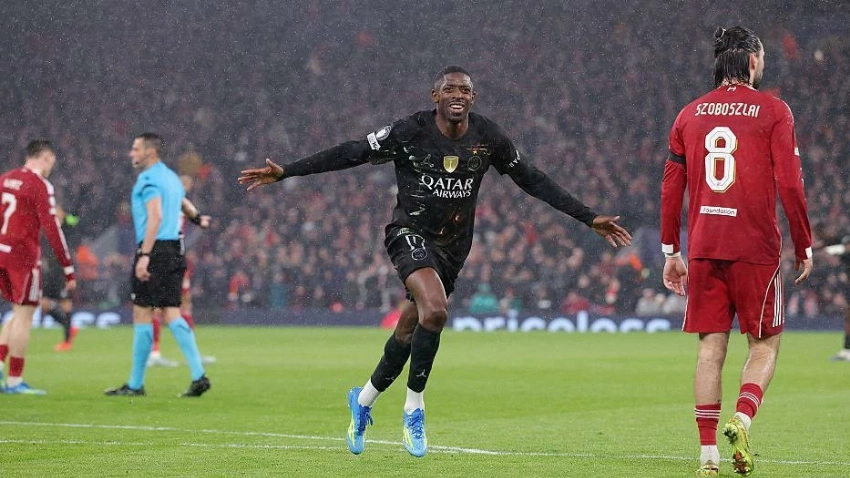
On a night of heartbreak for Liverpool fans, Paris Saint-Germain convincingly qualified for the Champions League semi-finals after defeating their hosts, Liverpool, 2-0. The match took place on Tuesday evening at the historic Anfield stadium, as part of the second leg of the quarter-final tie in Europe's premier club competition. With this victory, the Parisian club confirmed their complete dominance, having already won the first leg by the same scoreline (2-0) at their home ground, the Parc des Princes in the French capital, thus advancing with a resounding 4-0 aggregate score.
A painful blow: Ekitiki injured, Mohamed Salah comes on
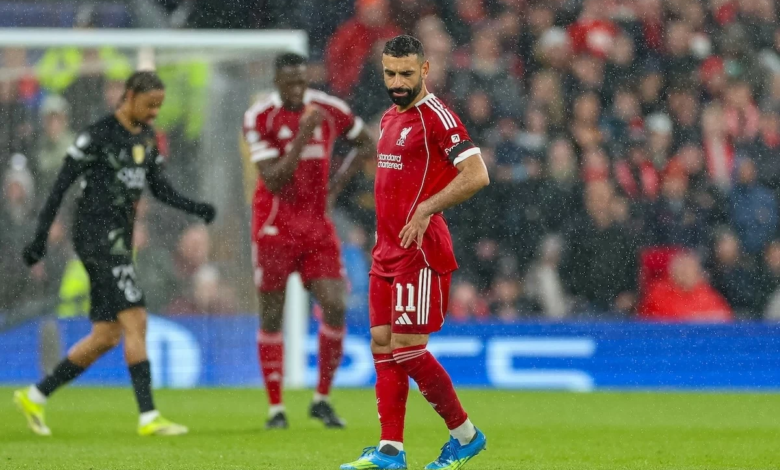
The first half of the match witnessed dramatic events that disrupted the home side's plans, as Liverpool striker Hugo Ekieke suffered a serious injury. The player was stretchered off the pitch after collapsing in pain without any contact from opposing players, with initial reports suggesting an Achilles tendon injury. In an attempt to salvage the situation and revitalize their attack, the English club's coaching staff brought on Egyptian star Mohamed Salah as a substitute, hoping to turn the tide and make a difference. However, Paris Saint-Germain's organized defense held firm.
Dembele's brace secures passage
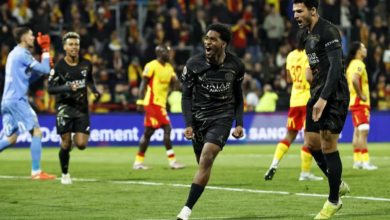
Despite Liverpool's attempts to get back into the game, Paris Saint-Germain opened the scoring in the 72nd minute with a rocket of a shot from outside the penalty area by French star Ousmane Dembélé, capitalizing on a perfectly weighted pass from his Georgian teammate Khvica Kvaratskhelia. The visitors weren't finished there, as Dembélé returned to deliver the final blow, scoring the Parisian giants' second goal in the first minute of stoppage time (90+1) with a powerful shot from inside the box after converting a perfect low cross from young winger Bradley Barcola.
Historical context: Parisian ambition and English heartbreak at Anfield
This result holds immense historical significance; Anfield has long been considered a fortress for Europe's elite, with Liverpool boasting a rich Champions League history and six titles. However, Paris Saint-Germain has managed to break this aura of invincibility, continuing its relentless pursuit of its ultimate dream: winning the Champions League for the first time in its history. These victories are the culmination of massive investments and an ambitious sporting project undertaken by the Parisian management to establish dominance on the European stage.
Regional and international impact: A potential clash in the semi-finals
With this well-deserved qualification, Paris Saint-Germain sends a strong warning to all its rivals in Europe. The French champions now await a heavyweight clash in the semi-finals, where they will face the winner of the other highly anticipated match between Germany's Bayern Munich and Spain's Real Madrid. This highly anticipated encounter guarantees football fans worldwide a historic semi-final showdown between two of the most formidable footballing schools, further enhancing the tournament's marketing value and competitiveness.
A trophyless season for the Reds and an uncertain future for Arne Slott
On the other hand, this continental exit represents a devastating blow for Liverpool. With this loss, the Reds' hopes of winning any title this season have officially evaporated, leaving the team with a disappointing "zero trophy season" for its vast fanbase. This failure puts manager Arne Slott under intense scrutiny, and his continued tenure at the helm of the team is now in serious doubt. Liverpool's management now faces immense pressure to restructure the team during the upcoming summer transfer window, to compensate for this season's disappointments and attempt to build a new project that will return the club to winning ways.