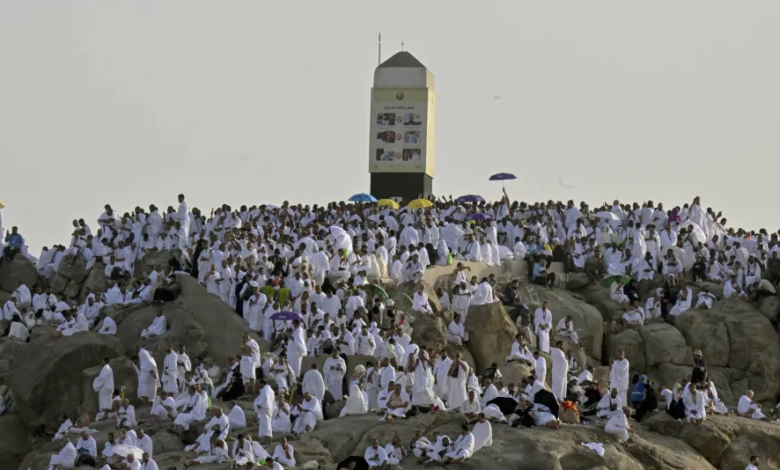

إعلان الهيئة العامة للإحصاء عن أعداد الحجاج
أعلنت الهيئة العامة للإحصاء في المملكة العربية السعودية أن إجمالي عدد الحجاج لهذا العام بلغ نحو 1.7 مليون حاج، قدموا من مختلف دول العالم ومن داخل المملكة لأداء مناسك الحج. يعكس هذا الرقم الكبير الجهود الاستثنائية التي تبذلها حكومة خادم الحرمين الشريفين لتسهيل وصول ضيوف الرحمن وتوفير بيئة آمنة وصحية لهم. وتأتي هذه الإحصائيات لتؤكد على قدرة المملكة الفائقة في إدارة الحشود وتنظيم أحد أكبر التجمعات البشرية على وجه الأرض بكفاءة واقتدار.
السياق العام والخلفية التاريخية لجهود المملكة
وفي السياق العام والخلفية التاريخية، يعتبر الحج الركن الخامس من أركان الإسلام، وتولي المملكة العربية السعودية منذ توحيدها اهتماماً بالغاً بتطوير المشاعر المقدسة. على مر العقود، شهدت مكة المكرمة والمدينة المنورة ومناطق المشاعر (منى، مزدلفة، عرفات) مشاريع توسعة ضخمة غير مسبوقة في التاريخ الإسلامي. وقد تضمنت هذه المشاريع توسعة الحرمين الشريفين، وتطوير منشأة الجمرات، وإنشاء قطار الحرمين السريع، وتحديث شبكات النقل والبنية التحتية. وتجدر الإشارة إلى أن أعداد الحجاج شهدت تقلبات ملحوظة خلال السنوات القليلة الماضية، لا سيما خلال جائحة كورونا حيث تم تقليص الأعداد بشكل كبير للحفاظ على الصحة العامة، قبل أن تعود الأعداد للارتفاع التدريجي وصولاً إلى هذا الرقم المليوني الذي يعكس التعافي الكامل والعودة إلى الطاقات الاستيعابية الطبيعية.
أهمية الحدث وتأثيره المتوقع
التأثير المحلي والاقتصادي
أما على صعيد أهمية الحدث وتأثيره المتوقع محلياً، فإن استقبال 1.7 مليون حاج يمثل دفعة قوية للاقتصاد المحلي، وينسجم تماماً مع مستهدفات رؤية السعودية 2030. تهدف الرؤية إلى الارتقاء بجودة الخدمات المقدمة لضيوف الرحمن وإثراء تجربتهم الدينية والثقافية. كما ينعكس هذا العدد الكبير إيجاباً على قطاعات حيوية متعددة داخل المملكة، مثل قطاع الضيافة والفنادق، والنقل والمواصلات، والتجزئة، والخدمات اللوجستية، مما يساهم في توفير آلاف فرص العمل الموسمية والدائمة للمواطنين، ويعزز من مساهمة القطاع غير النفطي في الناتج المحلي الإجمالي للمملكة.
التأثير الإقليمي والدولي
إقليمياً ودولياً، يمثل نجاح موسم الحج بهذا العدد الضخم رسالة طمأنينة وسلام للعالم الإسلامي أجمع. إن إدارة 1.7 مليون إنسان يتحدثون لغات مختلفة وينتمون لثقافات متنوعة، وتجمعهم في مساحة جغرافية محدودة وخلال فترة زمنية قصيرة، يُعد إنجازاً لوجستياً وأمنياً وصحياً يُدرس على المستوى الدولي. تتعاون المملكة مع مختلف الدول الإسلامية والبعثات الدبلوماسية لضمان سلاسة تفويج الحجاج، مما يعزز من مكانة السعودية كقائدة للعالم الإسلامي والراعية الأولى للمقدسات الإسلامية.
تسخير التقنية لخدمة ضيوف الرحمن
علاوة على ذلك، سخرت المملكة أحدث التقنيات الحديثة لخدمة هذا العدد الكبير من الحجاج. من خلال مبادرات مثل “طريق مكة” وتطبيقات الهواتف الذكية، والبطاقات الذكية، واستخدام الذكاء الاصطناعي في إدارة الحشود ومراقبة الصحة العامة، أثبتت السعودية ريادتها في تطويع التكنولوجيا لخدمة الإنسانية. ختاماً، إن إعلان الهيئة العامة للإحصاء عن بلوغ عدد الحجاج 1.7 مليون حاج ليس مجرد رقم، بل هو تتويج لشهور من التخطيط الدقيق والعمل الدؤوب من قبل كافة قطاعات الدولة العسكرية والمدنية لضمان أمن وسلامة وراحة ضيوف الرحمن.