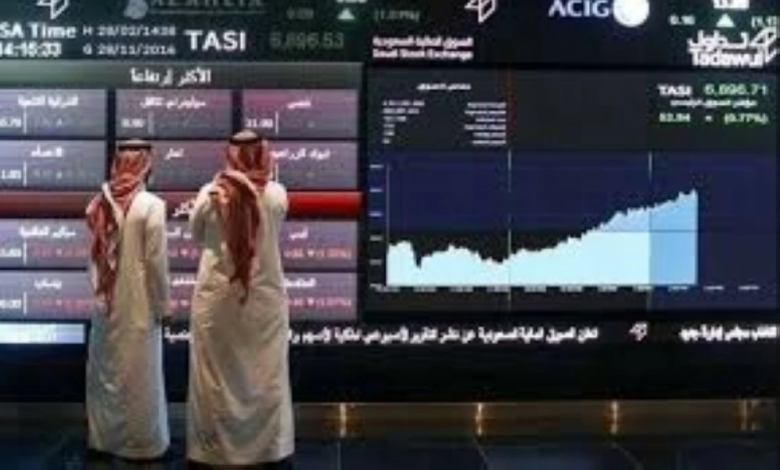

أنهى سوق الأسهم السعودية تعاملاته اليومية على تباين ملحوظ في الأداء، حيث سجل المؤشر العام (تاسي) تراجعاً طفيفاً، في حين واصلت السوق الموازية (نمو) مسارها الصاعد، وسط سيولة نقدية بلغت قيمتها الإجمالية نحو 2.9 مليار ريال سعودي.
تفاصيل إغلاق المؤشر العام
وفي تفاصيل الجلسة، انخفض مؤشر الأسهم السعودية الرئيسي بمقدار 23.17 نقطة، ليغلق عند مستوى 11228.64 نقطة. وعلى الرغم من هذا التراجع في المؤشر، إلا أن حركة الأسهم أظهرت نشاطاً إيجابياً لعدد كبير من الشركات، حيث بلغت كمية الأسهم المتداولة 216 مليون سهم. وبحسب النشرة الاقتصادية اليومية، شهدت الجلسة ارتفاعاً في القيمة السوقية لأسهم 170 شركة، مقابل تراجع أسهم 82 شركة، مما يشير إلى أن الانخفاض في المؤشر قد يكون ناتجاً عن ضغط من بعض الأسهم القيادية ذات الوزن الثقيل.
الأسهم الأكثر نشاطاً وحركة السوق
تصدرت أسهم شركات "أو جي سي"، و"الآمار"، و"كيان السعودية"، و"عناية"، و"دار الأركان" قائمة الشركات الأكثر ارتفاعاً في السوق. في المقابل، جاءت أسهم شركات "الاستثمار"، و"جاهز"، و"بترو رابغ"، و"الماجد للعود"، و"الأبحاث والإعلام" في قائمة الأكثر انخفاضاً، حيث تراوحت نسب التغير صعوداً وهبوطاً ما بين 7.54% و3.21%.
وعلى صعيد السيولة والنشاط، كانت أسهم "أمريكانا" و"كيان السعودية" و"باتك" الأكثر نشاطاً من حيث الكمية. أما من حيث القيمة النقدية، فقد استحوذت أسهم "مصرف الإنماء"، و"أرامكو السعودية"، و"مصرف الراجحي" على النصيب الأكبر من السيولة المتداولة، مما يعكس استمرار تركيز المحافظ الاستثمارية على القطاعات الحيوية والمصرفية.
أداء السوق الموازية (نمو)
في المقابل، شهد مؤشر الأسهم السعودية الموازية (نمو) أداءً مغايراً، حيث أغلق الجلسة مرتفعاً بمقدار 449.38 نقطة، ليقف عند مستوى 24093.12 نقطة. وبلغت قيمة التداولات في السوق الموازية أكثر من 16 مليون ريال، من خلال تداول أكثر من 1.8 مليون سهم، مما يعكس جاذبية هذا السوق للشركات الصغيرة والمتوسطة والمستثمرين الباحثين عن فرص نمو واعدة.
الأهمية الاقتصادية وسياق السوق المالية
يكتسب أداء سوق الأسهم السعودية أهمية خاصة كونه المرآة العاكسة لأكبر اقتصاد في منطقة الشرق الأوسط. وتأتي هذه التداولات في وقت تشهد فيه المملكة حراكاً اقتصادياً ضخماً ضمن رؤية 2030، التي تهدف إلى تنويع مصادر الدخل وجذب الاستثمارات الأجنبية. ويُعد تماسك المؤشر فوق مستويات 11 ألف نقطة مؤشراً مهماً على ثقة المستثمرين في المدى الطويل، رغم التذبذبات اليومية الطبيعية التي تتأثر بعوامل العرض والطلب وأسعار النفط والأسواق العالمية.
وتشير معدلات السيولة الحالية (2.9 مليار ريال) إلى حالة من الترقب الانتقائي من قبل المتداولين، وهي ظاهرة صحية في الأسواق المالية تسبق عادة فترات إعادة بناء المراكز المالية، خاصة مع ترقب إعلانات الشركات الربعية والسنوية التي تلعب دوراً حاسماً في توجيه البوصلة الاستثمارية.