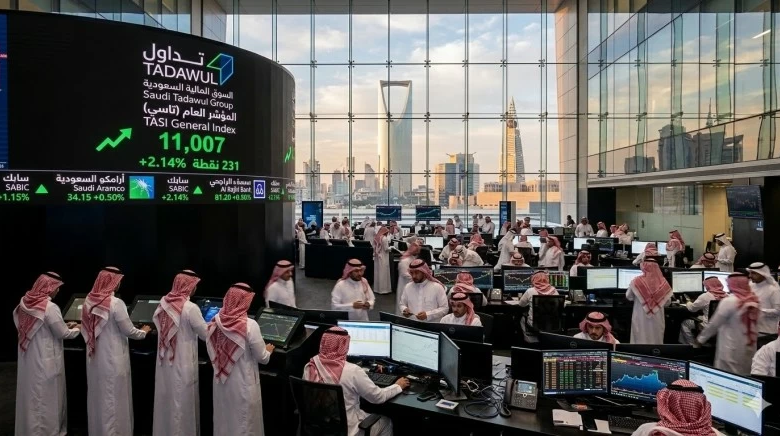

The Saudi stock market (TASI) recorded a significant leap in its financial performance, with recent data revealing that the market capitalization of Saudi stocks reached a record high of SAR 9.36 trillion. The market achieved substantial gains of SAR 316.69 billion by the end of trading today, reflecting a sense of optimism and strong buying momentum among investors.
This notable 3.38% increase in the market capitalization of listed companies was primarily driven by the strong performance of global energy giant Saudi Aramco, whose shares climbed 4.1% to close at SAR 26.94. This move by Aramco, the heaviest-weighted stock in the index, was a key driver of the overall market gains.
Regarding the technical performance of the general index, TASI continued its upward trend for the fifth consecutive session, achieving gains exceeding 530 points, representing an increase of over 5% during this short period. The index successfully broke through the psychological and technical resistance level of 11,007 points, recording its highest closing level in nearly three weeks, amidst active trading with a total value of approximately 5.6 billion riyals.
The trading session was characterized by widespread positivity across most market sectors, with 244 companies seeing their share prices rise, while only 23 companies experienced declines. The top 10 gainers were companies that reached or nearly reached their daily limit of 9%, including: Al Masafi, Petro Rabigh, KEMYA, Alujain, Yanbu National Petrochemical Company (YANSAB), Kayan Petrochemical Company, Cisco Holding Company, Savola Group, Jaco, and Al Rajhi Takaful.
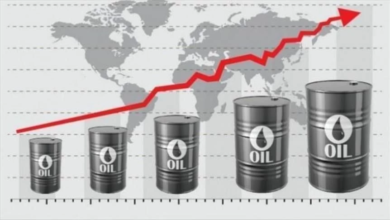
In an economic and geopolitical analysis, this strong rise in the Saudi market is closely linked to global variables, particularly energy markets. The market received significant support from the surge in oil prices, which surpassed $92 per barrel. This rise in crude oil prices stems from escalating geopolitical tensions in the Middle East and concerns about global energy supplies amid ongoing conflicts, especially those surrounding the Strait of Hormuz, a vital waterway through which approximately 20% of global oil trade passes.
This event is particularly significant as it underscores the resilience of the Saudi financial market and its ability to respond to global economic changes. It also reflects the confidence of local and international investors in leading Saudi companies, especially in the energy and petrochemical sectors, which directly benefit from rising global oil prices, thus reinforcing positive expectations for these companies' future performance.