Saudi Arabia is second globally in humanitarian aid and first to Yemen in 2025

In a new international achievement reflecting its unwavering commitment to humanitarian values, the Kingdom of Saudi Arabia has made a significant leap in its international philanthropy record, ranking second globally and first in the Arab world among donor countries in the field of humanitarian and relief aid for the year 2025. This ranking, according to the latest data issued by the United Nations Financial Tracking Service (FTS), reinforces the Kingdom's position as a pivotal player in the international humanitarian system.
Leading the scene in Yemen and Syria
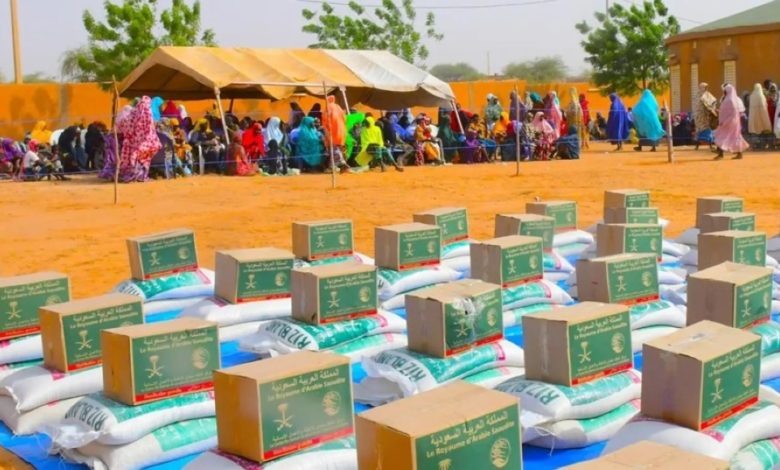
UN reports have highlighted Saudi Arabia's significant role in the Yemeni crisis, with the Kingdom ranking first globally as the largest donor to Yemen, providing 49.3% of total international aid to the country. This figure reflects the Kingdom's strategy of supporting stability in neighboring Yemen and alleviating the humanitarian suffering of its people. In a related context, the Kingdom also ranked second globally among donor countries to Syria, underscoring its comprehensive humanitarian approach to crises in the region.
Historical context and institutional approach
This achievement was not a coincidence, but rather the culmination of a long history of giving that began with the Kingdom's founding. Saudi relief efforts have undergone a significant institutional transformation since the establishment of the King Salman Humanitarian Aid and Relief Center in 2015, which has worked to unify support channels and ensure that aid reaches those who need it most efficiently. These figures represent the culmination of decades of effort, during which Saudi Arabia has consistently allocated a high percentage of its national income to development and humanitarian aid, often exceeding the percentages set by the United Nations for donor countries.
Regional and international impact
This ranking carries profound implications that transcend mere numbers; it underscores Riyadh's pivotal role in promoting regional stability through "humanitarian diplomacy." The provision of development aid, in which the Kingdom ranked second among non-member donor countries in 2024, directly contributes to infrastructure development and enhances opportunities for a decent life in affected countries, thereby reducing hotspots of tension and illegal migration.
High level of documentation and transparency
Commenting on this achievement, Dr. Abdullah bin Abdulaziz Al-Rabeeah, Advisor at the Royal Court and Supervisor General of the King Salman Humanitarian Aid and Relief Center, explained that the Kingdom's leading role in humanitarian efforts is a result of the unlimited support from the wise leadership, represented by the Custodian of the Two Holy Mosques and His Royal Highness the Crown Prince. Dr. Al-Rabeeah also highlighted the importance of the "Saudi Aid Platform," the largest of its kind in the region, in documenting this aid with high transparency to international organizations, thus preserving the Kingdom's reputation and showcasing the true extent of its contributions to the world.
Al-Rabeeah concluded his statement by emphasizing that the Kingdom will remain "an inexhaustible river of giving," continuing its approach of extending a helping hand to those in need in all parts of the world without discrimination, embodying its noble mission and ambitious vision that places humanity and its dignity at the forefront of its priorities.