
Sustainability of supply chains in Saudi Arabia: Trains are a sustainable option

Activating a comprehensive logistics system to ensure the flow of goods
The Saudi Public Transport Authority (PTA) has confirmed the successful implementation of a comprehensive and integrated logistics system across all of the Kingdom's land, sea, and air ports. This initiative is supported by over 3,000 licensed companies and alternative shipping lines, with the primary objective of ensuring the uninterrupted flow of goods and protecting Saudi Arabia's supply chains from any potential disruptions. The PTA explained that its digital platforms, such as the "Logistics" platform, allow users to clearly define cargo types, facilitating contracting and accelerating logistics operations at both the local and regional levels.
Global context and the importance of alternative routes
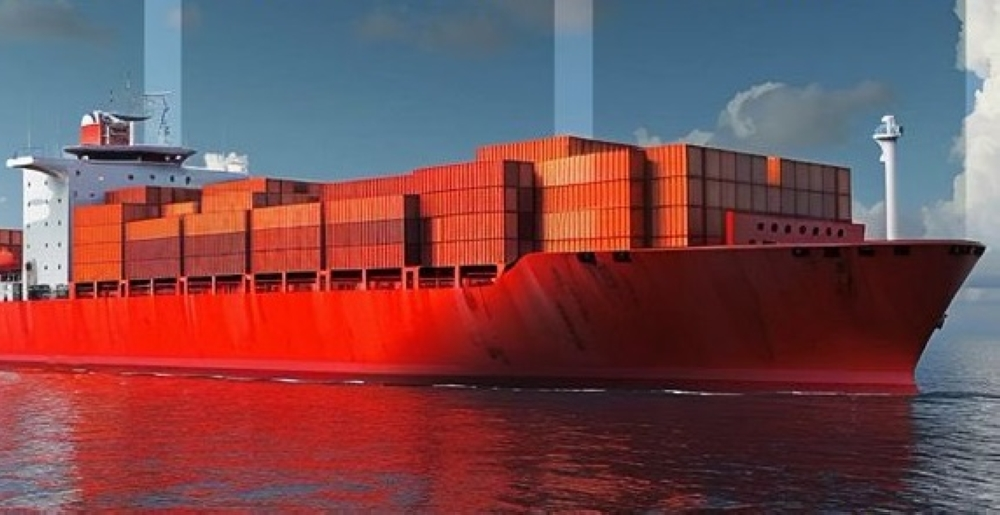
In the broader context and historical background of this movement, the world is currently witnessing ongoing fluctuations in maritime traffic, particularly given the geopolitical tensions in the Red Sea region, a vital artery through which approximately 12% of global trade passes. In response, Saudi ports have adopted alternative shipping routes around the Cape of Good Hope to the Kingdom's west coast, ensuring the continued flow of goods through Jeddah Islamic Port, King Abdullah Port, and Yanbu Commercial Port. This proactive move reflects the Kingdom's ability to adapt to global crises and provide sustainable solutions for international trade.
Customs automation and faster release procedures
On the customs and trade facilitation front, the relevant authorities announced the complete automation of import and export processes through the "Fasah" platform. This step aims to expedite customs clearance procedures and prepayment before shipments arrive. Transit services within the Gulf Cooperation Council (GCC) have also been activated, with food and pharmaceutical shipments given top priority under the "Clearance within Two Hours" initiative, thus enhancing the efficiency of regional supply chains.
Trains: A sustainable and price-stable option
Regarding sustainable land transport, relevant authorities confirmed the complete readiness of the Saudi Railways (SAR) to transport goods at high capacities to Riyadh, the Eastern Province, and the north. The importance of trains as a strategic, environmentally friendly option that contributes to reducing carbon emissions is highlighted, in addition to their competitive advantage of stable transport prices, which alleviates significant pressure on road trucks and ensures stable prices for final goods for consumers.
Strategic impact and objectives of Vision 2030
The importance of these integrated measures stems from their direct and profound impact on the local and regional economy. Locally, these steps ensure price stability and the availability of essential goods for citizens and residents, unaffected by external crises. Regionally and internationally, these efforts solidify the Kingdom of Saudi Arabia's position as a global logistics hub connecting three continents, perfectly aligned with the objectives of the National Transport and Logistics Strategy, a component of Saudi Vision 2030, which aims to diversify income sources and enhance the resilience of the national economy in the face of global challenges.