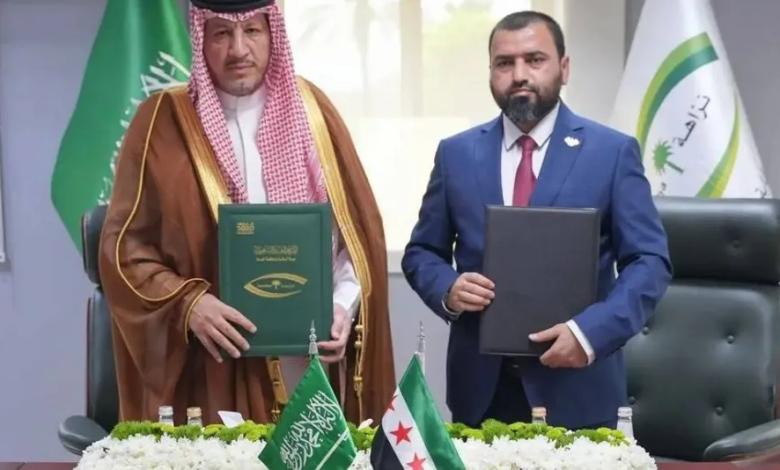

في خطوة تعكس عمق التحولات في المشهد الإقليمي وتجسد مرحلة جديدة من التعاون الثنائي، تم الإعلان عن تفاهم بين المملكة العربية السعودية والجمهورية العربية السورية يهدف إلى تعزيز الجهود المشتركة في مجال مكافحة الفساد. هذا التفاهم لا يمثل فقط اتفاقاً فنياً، بل يحمل دلالات سياسية هامة تشير إلى ترسيخ مسار عودة العلاقات الدبلوماسية بين البلدين إلى طبيعتها الكاملة.
خلفية تاريخية وسياق إقليمي متغير
يأتي هذا التعاون في أعقاب فترة من القطيعة الدبلوماسية التي امتدت لأكثر من عقد، بدأت مع اندلاع الأزمة السورية في عام 2011. خلال تلك الفترة، علقت جامعة الدول العربية عضوية سوريا، وانضمت المملكة العربية السعودية إلى العديد من الدول العربية في سحب سفرائها من دمشق. إلا أن السنوات الأخيرة شهدت تحولاً استراتيجياً في المنطقة، مدفوعاً بالرغبة في إيجاد حلول عربية-عربية للأزمات الإقليمية. وبلغ هذا التحول ذروته في القمة العربية التي استضافتها جدة في مايو 2023، والتي شهدت عودة سوريا الرسمية لشغل مقعدها في الجامعة العربية، ومثلت بداية فعلية لمرحلة تطبيع العلاقات على مختلف الأصعدة.
أهمية الاتفاق وتأثيره المتوقع
يكتسب التفاهم في مجال مكافحة الفساد أهمية خاصة لعدة أسباب. بالنسبة للمملكة العربية السعودية، يندرج هذا التعاون ضمن إطار رؤية 2030 التي تضع الشفافية ومحاربة الفساد كأحد ركائزها الأساسية. وتعمل المملكة، من خلال هيئة الرقابة ومكافحة الفساد (نزاهة)، على بناء شراكات دولية لتبادل الخبرات وأفضل الممارسات، ويعكس هذا التفاهم توسيع نطاق هذه الشراكات لتشمل دول الجوار الإقليمي.
أما بالنسبة لسوريا، فإن هذه الخطوة تمثل بادرة إيجابية تجاه المجتمعين العربي والدولي، وتعبر عن استعدادها للتعاون في ملفات الحوكمة الرشيدة، وهو أمر قد يكون له تأثير إيجابي على صورتها الدولية ويفتح الباب أمام إمكانية المشاركة المستقبلية في مشاريع إعادة الإعمار التي تتطلب معايير عالية من الشفافية والنزاهة. على الصعيد الإقليمي، يمهد هذا النوع من التعاون الفني الطريق لآفاق أوسع من التنسيق في مجالات أكثر تعقيداً، مثل مكافحة تهريب المخدرات، وأمن الحدود، والتعاون الاقتصادي، مما يساهم في تعزيز الاستقرار الإقليمي بشكل عام.
الآفاق المستقبلية للعلاقات الثنائية
يُنظر إلى مذكرة التفاهم هذه على أنها لبنة أساسية في صرح العلاقات السعودية السورية المعاد بناؤها. فبعد استئناف عمل البعثات الدبلوماسية، يأتي التعاون المؤسسي ليترجم النوايا السياسية إلى إجراءات عملية على أرض الواقع. ومن المتوقع أن يتبع هذه الخطوة اتفاقيات أخرى في مجالات متنوعة، بما في ذلك الاقتصاد والتجارة والنقل، مما يعزز من عملية إعادة دمج سوريا في محيطها العربي بشكل كامل وفعال، ويخدم المصالح المشتركة للبلدين وشعوبهما.