البنتاجون يعلن احتجاز ناقلة نفط في المحيط الهندي خرقت عقوبات فنزويلا

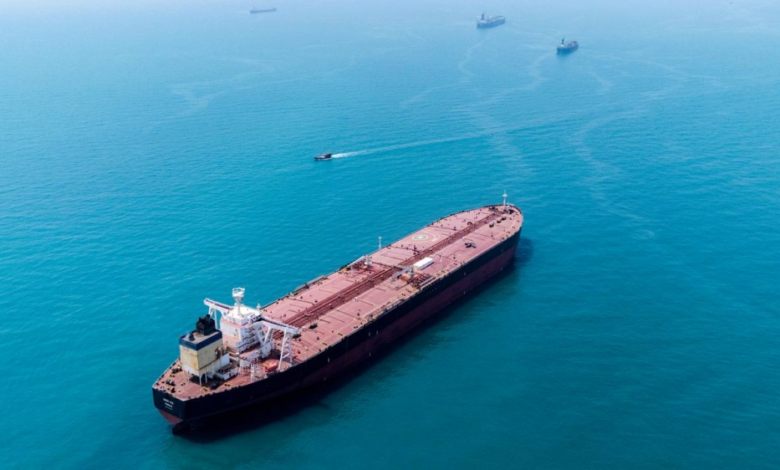
أعلنت وزارة الدفاع الأمريكية (البنتاجون)، في بيان رسمي صدر يوم الاثنين، عن نجاح القوات الأمريكية في تنفيذ عملية نوعية أسفرت عن احتجاز ناقلة النفط "أكويلا 2" في مياه المحيط الهندي. وتأتي هذه العملية في إطار الجهود المستمرة لإنفاذ العقوبات والحظر البحري الذي فرضه الرئيس الأمريكي دونالد ترامب على السفن التي تنتهك القيود المفروضة في منطقة البحر الكاريبي، والتي تستهدف بشكل أساسي تجفيف منابع تمويل النظام في فنزويلا.
تفاصيل العملية العسكرية
وكشفت الوزارة عن تفاصيل العملية، مشيرة إلى أن القوات الأمريكية طاردت الناقلة من منطقة الكاريبي وصولاً إلى المحيط الهندي. وقد تم توثيق العملية بمقطع مصور نشرته القوات الأمريكية عبر منصة "إكس"، يظهر جنوداً أمريكيين ينفذون إنزالاً جوياً من مروحية عسكرية، حيث هبطوا بواسطة الحبال للسيطرة على سطح الناقلة "أكويلا 2" دون وقوع أي حوادث أو إصابات تذكر. وأكد البيان أن السفينة كانت قد خرقت الحظر المفروض وحاولت الفرار من المنطقة المشمولة بالعقوبات قبل أن تتم ملاحقتها واعتراضها.
سياق العقوبات والحظر المفروض
تعد هذه الحادثة جزءاً من استراتيجية "الضغط الأقصى" التي تبنتها الإدارة الأمريكية تجاه فنزويلا، والتي تضمنت تعزيز الانتشار العسكري في منطقة البحر الكاريبي. وتهدف هذه التحركات إلى مكافحة تهريب المخدرات واعتراض شحنات النفط الخاضعة للعقوبات، والتي تعد شريان الحياة الاقتصادي لحكومة الرئيس الفنزويلي نيكولاس مادورو. وتعتبر "أكويلا 2" السفينة الثامنة التي تحتجزها واشنطن منذ بدء تطبيق هذا الحظر الصارم، والثانية التي يتم اعتراضها خارج النطاق الجغرافي المباشر للكاريبي، بعد حادثة مماثلة في شمال الأطلسي مطلع يناير، مما يشير إلى توسع نطاق المراقبة والملاحقة الأمريكي ليشمل الممرات المائية الدولية البعيدة.
ظاهرة "الأسطول الشبح" وتحديات الملاحة
على الرغم من نجاح هذه العمليات، إلا أن المسؤولين الأمريكيين يقرون بصعوبة السيطرة الكاملة على حركة الشحن غير المشروعة. وفي هذا السياق، أشار الأدميرال ديفيد باراتا خلال جلسة استماع في الكونجرس الأمريكي بداية فبراير، إلى أن السفن المحتجزة لا تمثل سوى "غيض من فيض". وأوضح أن هناك ما يعرف بـ "الأسطول الشبح"، والذي قد يصل عدده الإجمالي إلى نحو 800 سفينة تنشط على مستوى العالم، وتستخدم تقنيات معقدة للتهرب من العقوبات، مثل إيقاف أجهزة التتبع وتغيير الأعلام والأسماء، مما يجعل مهمة رصدها واعتراضها تحدياً لوجستياً واستخباراتياً كبيراً للقوات البحرية الدولية.
وتعكس هذه العملية إصرار واشنطن على ملاحقة الكيانات والسفن التي تخرق العقوبات أينما وجدت، موجهة رسالة تحذير شديدة اللهجة لشركات الشحن البحري العالمية حول المخاطر المترتبة على التعامل مع الأنظمة الخاضعة للعقوبات الأمريكية.