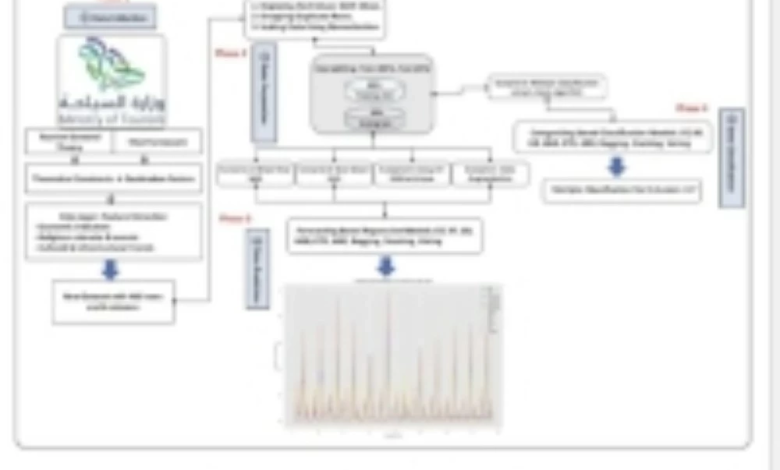

A recent scientific study published in the international peer-reviewed journal "Scientific Reports" revealed very positive indicators regarding the future of the tourism sector in the Kingdom of Saudi Arabia, predicting continued upward growth until 2034. The study based its findings on advanced artificial intelligence and machine learning models, reflecting the integration of modern technology and strategic planning within the Kingdom's Vision 2030.
Tourism as a pillar of economic diversification
This study comes at a time when the Kingdom is undergoing a historic transformation in its economic structure, as Saudi Vision 2030 to reduce dependence on oil and make tourism a key pillar of the GDP. Since launching the Vision, the Kingdom has worked on developing a massive infrastructure, including the introduction of the electronic tourist visa in 2019, opening its doors to visitors from around the world and paving the way for significant increases in visitor numbers.
The research team, comprised of academics from Saudi and international universities, relied on accurate official data on tourism activity in Saudi cities during the period from 2021 to 2023. The analysis focused on understanding the dynamics of tourism demand in light of the mega-projects being implemented, such as the NEOM project, the Red Sea project, and the Diriyah Gate, all of which aim to put the Kingdom on the global tourism map as a leading entertainment and cultural destination.

Prediction accuracy via artificial intelligence
The study revealed that the significant expansion of leisure, sports, and heritage tourism has rendered traditional statistical methods insufficient for accurate prediction. This is where associative machine learning models , achieving exceptional levels of accuracy in forecasting the future. They successfully analyzed the complex relationships between various variables, such as entertainment seasons (like Riyadh Season) and major international events that the Kingdom is preparing to host, including Expo 2030 and the 2034 FIFA World Cup.
Influencing factors: Spending first
In-depth analysis revealed that tourist spending topped the list of factors influencing demand, followed by time and then geographical location. This finding underscores the economic viability of investing in the luxury entertainment and hospitality sector, as spending reflects visitors' desire for unique and high-quality experiences within the Kingdom.
The researchers pointed out that these long-term projections represent a roadmap for decision-makers and investors; they help in:
- Identifying optimal locations for new hotel facilities.
- Improving the distribution of logistics and tourism services.
- Directing marketing and promotional campaigns with high precision to target the appropriate markets.
- Managing crowds and predicting peak periods more effectively.
Towards sustainable and smart tourism
The study's recommendations emphasized the need to broaden the scope of data used in future predictive models. It called for the integration of additional variables to enhance reliability, such as climate change, global mobility patterns, and evolving international economic conditions. The findings concluded that adopting artificial intelligence technologies is no longer a luxury option, but rather a fundamental pillar for building a sustainable and globally competitive tourism sector, thereby achieving the Kingdom's ambitious goal of reaching 150 million visits annually by 2030.