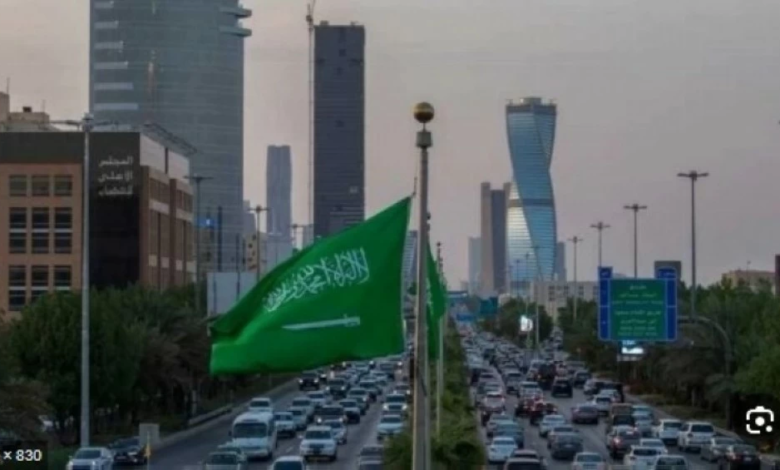

Saudi Arabia recorded remarkable figures in trade volume, with the Kingdom's total foreign trade reaching approximately SAR 184.1 billion over a 30-day period, according to the latest statistical data. This substantial figure reflects the strength of the Saudi economy and the dynamism of its export and import activity, underscoring the success of the Kingdom's economic policies amidst global changes.
Details of trade performance and trade balance
This large volume of trade indicates significant activity at ports and customs points, driven by sustained global demand for energy products, as well as rapid growth in the non-oil export sector. These figures are a positive indicator of a trade surplus, which is a key pillar of the country's financial and monetary stability. These trades are typically distributed between commodity exports, including oil and petrochemical products, and imports, including machinery, equipment, foodstuffs, and automobiles, demonstrating a diversified economic landscape.
The role of the Kingdom's Vision 2030 in promoting trade
These figures cannot be viewed in isolation from the broader context of Saudi Vision 2030, which primarily aims to diversify income sources and reduce overall dependence on oil. National programs for developing industry and logistics have contributed to increased trade efficiency, improved port infrastructure, and streamlined customs procedures, positioning the Kingdom as a global logistics hub connecting three continents (Asia, Africa, and Europe).
Business partners and international standing
The fact that trade reached SAR 184.1 billion in a single month reflects the depth of the economic ties that bind the Kingdom to its international partners. Major economies such as China, India, and Japan typically top the list of the Kingdom's trading partners, both in terms of exports and imports. This strong interdependence reinforces Saudi Arabia's position as an active and influential member of the G20 and underscores its pivotal role in stabilizing global supply chains and energy markets.
Future prospects and economic impact
Trade volumes are expected to continue growing, particularly with the expansion of mega-projects such as NEOM and Qiddiya, which require the import of advanced technologies and materials, alongside the export of new Saudi industrial products to global markets. Maintaining these high volumes directly contributes to boosting GDP, creating new job opportunities, and attracting foreign direct investment, ultimately benefiting citizens and the national economy.