
المرور السعودي يعلن خطة تنظيم حركة المركبات في المشاعر المقدسة لموسم الحج
في إطار الاستعدادات المكثفة لموسم الحج، أعلنت الإدارة العامة للمرور في المملكة العربية السعودية عن بدء تطبيق قرار منع دخول المركبات والدراجات النارية غير المصرح لها إلى المشاعر المقدسة، وذلك اعتباراً من فجر اليوم الخامس من شهر ذي الحجة. يأتي هذا الإجراء الحاسم ضمن الجهود المستمرة لضمان أمن وسلامة ضيوف الرحمن وتسهيل تنقلاتهم خلال أداء المناسك بكل يسر وطمأنينة.
جاهزية تامة لقوات أمن الحج
أكد المتحدث الرسمي للمرور، العقيد منصور الشكرة، على الجاهزية القصوى لقوات أمن الحج لشؤون المرور. وأوضح أن تنفيذ الخطط المرورية الخاصة بموسم حج هذا العام يتم بتكامل تام وتنسيق عالي المستوى مع مختلف القطاعات الأمنية والخدمية. يهدف هذا التنسيق المشترك إلى تحقيق أعلى درجات الانسيابية والسلامة المرورية لضيوف الرحمن خلال تنقلاتهم بين المشاعر المقدسة، بدءاً من لحظة وصولهم وحتى الانتهاء من أداء كافة المناسك ومغادرتهم بسلام.
السياق التاريخي وتطور إدارة الحشود
تاريخياً، تولي المملكة العربية السعودية اهتماماً بالغاً بإدارة الحشود وتنظيم المرور خلال موسم الحج، والذي يُعد أحد أكبر التجمعات البشرية السنوية في العالم. على مر العقود، تطورت خطط المرور بشكل ملحوظ، حيث انتقلت من التنظيم اليدوي التقليدي إلى الاعتماد على أحدث التقنيات والأنظمة الذكية والذكاء الاصطناعي. هذا التطور المستمر يعكس التزام القيادة السعودية بتوفير بيئة آمنة ومريحة للحجاج، وتذليل كافة العقبات التي قد تواجههم، خاصة فيما يتعلق بالاختناقات المرورية التي تتطلب حلولاً استباقية ومبتكرة.
انتشار ميداني شامل وخطط زمنية دقيقة
أشار العقيد الشكرة إلى وجود انتشار ميداني كامل ومكثف لرجال المرور على كافة الطرق والمحاور الرئيسية، بالإضافة إلى شبكة الأنفاق داخل العاصمة المقدسة، والمنطقة المركزية المحيطة بالحرم المكي، والمشاعر المقدسة. وبيّن أن الخطط المرورية لا تُنفذ بشكل عشوائي، بل وفق مراحل زمنية دقيقة ومدروسة تتناسب مع كثافة حركة الحشود والتنقلات بين المشاعر. وقد بدأت الجهات المعنية بالفعل في تطبيق الخطط التشغيلية مبكراً استعداداً للذروة، وصولاً إلى تفعيل قرار المنع في الخامس من ذي الحجة.
مراحل التصعيد والنفرة
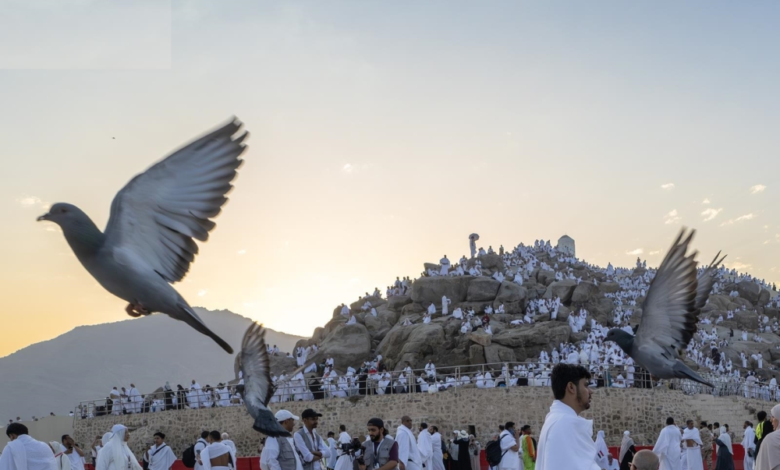
تتضمن الخطة المرورية مراحل مفصلية تبدأ بيوم التروية في الثامن من ذي الحجة، حيث يتم تسهيل حركة الحجاج إلى مشعر منى. تليها المرحلة الأهم وهي التصعيد إلى مشعر عرفات في صباح اليوم التاسع. وبعد غروب شمس يوم عرفة، تبدأ خطة النفرة لانتقال الحجاج من عرفات إلى مزدلفة بسلاسة، ومن ثم نقلهم مجدداً إلى مشعر منى لاستكمال رمي الجمرات خلال أيام التشريق. كل هذه المراحل تتطلب تنظيماً مرورياً صارماً يمنع دخول المركبات غير المصرح لها لضمان عدم إعاقة حركة الحافلات الرسمية والمشاة.
الأهمية والتأثير المحلي والدولي
يحمل هذا التنظيم المروري الدقيق أهمية كبرى على عدة مستويات. محلياً، يساهم في تخفيف العبء عن البنية التحتية في مكة المكرمة ويمنع التكدس المروري الذي قد يعيق وصول سيارات الإسعاف والطوارئ، مما يعزز من كفاءة الاستجابة لأي حالة طارئة. أما على الصعيدين الإقليمي والدولي، فإن نجاح المملكة في إدارة حركة الملايين من الحجاج في مساحة جغرافية محدودة وخلال فترة زمنية قصيرة، يبعث برسالة طمأنينة للعالم الإسلامي أجمع. إنه يؤكد قدرة السعودية الفائقة على تنظيم الفعاليات الكبرى وإدارة الحشود بكفاءة واقتدار، مما يعكس الصورة الإيجابية والمشرفة للمملكة في خدمة الحرمين الشريفين.
واختتم العقيد الشكرة تصريحاته بالتشديد على أن جميع الخطط الميدانية تُنفذ وفق منظومة متكاملة بين مختلف الجهات المشاركة في الحج، بهدف أسمى وهو تحقيق أعلى مستويات الأمن والسلامة والتنظيم المروري، بما يضمن راحة حجاج بيت الله الحرام.