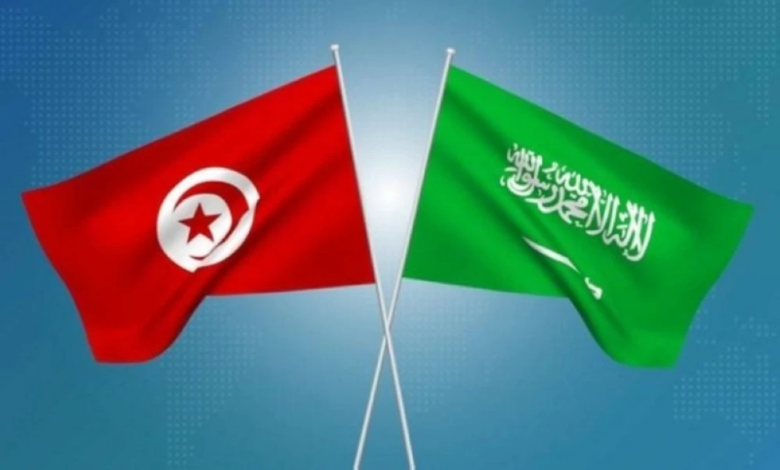

Saudi-Tunisian relations are witnessing rapid economic and diplomatic activity, aiming to elevate bilateral cooperation from traditional fraternal ties to a comprehensive strategic partnership. The current focus on five vital sectors as a cornerstone for strengthening this partnership, reflecting both countries' desire to leverage their shared strengths to achieve sustainable economic development that benefits both nations.
The depth of historical and political relations
Current economic developments cannot be understood in isolation from the historical context of relations between Riyadh and Tunis. These relations have always been characterized by strength and stability, with Saudi Arabia consistently serving as a major supporter of Tunisia's economic stability through the Saudi Fund for Development, which has financed numerous infrastructure, energy, and water projects over the decades. This strong political and diplomatic legacy now provides a solid foundation for a new phase of cooperation focused on direct investment and partnerships between the private sectors of both countries.
The five promising sectors
The new strategic partnership revolves around five key sectors identified based on the development priorities of both countries:
- Energy and Renewable Energy: In light of the world's move towards a green economy, Tunisia seeks to benefit from Saudi Arabia's leading expertise in the field of energy, especially green hydrogen and solar energy projects.
- Tourism: Both countries possess enormous tourism potential, and work is underway to exchange experiences and attract investments to develop tourism infrastructure.
- Industry and Mining: Focus on manufacturing and food industries, which will enhance the added value of natural resources in both countries.
- Transport and Logistics: Taking advantage of Tunisia’s geographical location as a gateway to Africa and Europe, and the Kingdom’s location as a global logistics hub linking the three continents.
- Food security and agriculture: Promoting trade in agricultural products and developing modern agricultural technologies to meet climate challenges.
Vision 2030 and the convergence of interests
These moves directly align with the objectives of Saudi Arabia’s Vision 2030, which seeks to diversify income sources and expand foreign investments by the Public Investment Fund and the Saudi private sector. For Tunisia, this partnership represents a lifeline and a genuine opportunity to revitalize the national economy, attract foreign currency, and create new job opportunities for young people. The activation of the Saudi-Tunisian Business Council and the intensification of reciprocal visits between officials and business leaders underscore the commitment to overcoming bureaucratic obstacles and opening broader horizons for trade.
Expected economic and regional impact
Activating cooperation in these vital sectors is expected to contribute to increasing the volume of trade, which remains below its potential and aspirations. Furthermore, the success of this bilateral partnership model could pave the way for broader Arab economic integration, based on shared interests and genuine development projects rather than political slogans, thereby strengthening the resilience of Arab economies to global economic fluctuations.