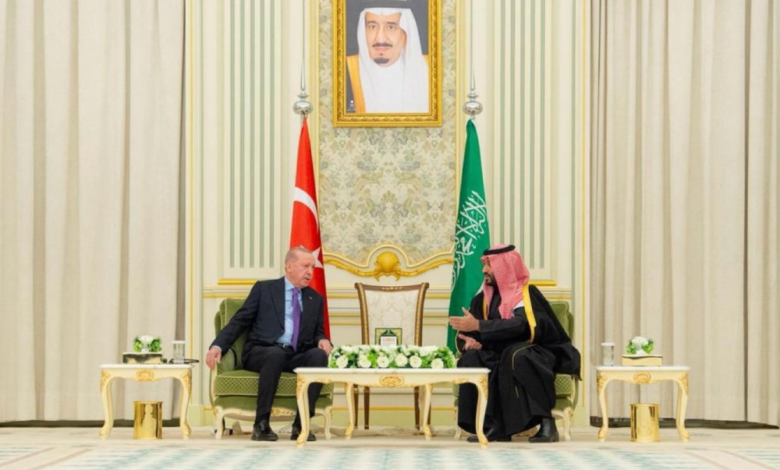

في خطوة تعكس عمق العلاقات الاستراتيجية بين القوتين الإقليميتين، أصدرت المملكة العربية السعودية والجمهورية التركية بياناً مشتركاً في ختام زيارة الرئيس رجب طيب أردوغان إلى الرياض، ولقائه بولي العهد الأمير محمد بن سلمان. وقد حمل البيان رسائل سياسية واقتصادية حازمة، أبرزها التأكيد على ضرورة الحفاظ على وحدة اليمن وسيادته، ورفض أي محاولات لزعزعة استقراره عبر دعم كيانات داخلية خارجة عن إطار الشرعية.
سياق تاريخي وتطور في العلاقات
تأتي هذه الزيارة تتويجاً لمسار تصاعدي في العلاقات السعودية التركية، حيث بنى الجانبان على النجاحات التي تحققت خلال الزيارات المتبادلة في عامي 2022 و2023. وقد تحولت العلاقة من مرحلة التطبيع إلى مرحلة الشراكة الاستراتيجية الشاملة، مستفيدين من الثقل السياسي والاقتصادي الذي يتمتع به البلدان في مجموعة العشرين ومنظمة التعاون الإسلامي. ويشير المراقبون إلى أن هذا التوافق السعودي التركي يعد ركيزة أساسية لضمان الاستقرار في منطقة الشرق الأوسط التي تموج بالاضطرابات.
الملف اليمني: دعم الشرعية ورفض التقسيم
تصدر الشأن اليمني أولويات البيان المشترك، حيث أكد الجانبان دعمهما الكامل لمجلس القيادة الرئاسي اليمني. وشدد البيان بلهجة حازمة على ضرورة مواجهة أي محاولات تهدف إلى تقسيم اليمن أو دعم كيانات داخلية تسعى لزعزعة الأمن والاستقرار، في إشارة واضحة لرفض الأجندات التي تتعارض مع وحدة الأراضي اليمنية. كما رحبت تركيا بالدور السعودي المحوري، بما في ذلك الاستجابة لطلب استضافة مؤتمر شامل في الرياض للمكونات الجنوبية لتعزيز التوافق الوطني.
شراكة اقتصادية وطاقية متينة
على الصعيد الاقتصادي، اتفق الجانبان على المضي قدماً في مواءمة "رؤية المملكة 2030" مع "رؤية قرن تركيا"، مع التركيز على:
- الربط الكهربائي: تسريع دراسات الجدوى لربط شبكات الكهرباء بين البلدين لتعزيز أمن الطاقة.
- التجارة والاستثمار: العمل على إنجاز اتفاقية التجارة الحرة بين تركيا ودول مجلس التعاون الخليجي، وتعزيز الاستثمارات في البنية التحتية والصناعات الدفاعية.
- الطاقة: التعاون في مجالات النفط، البتروكيماويات، والهيدروجين النظيف، وتأمين سلاسل الإمداد للمعادن الحرجة.
تنسيق المواقف تجاه قضايا المنطقة
استعرض البيان تطابق وجهات النظر في العديد من الملفات الساخنة:
- فلسطين: الترحيب بانضمام البلدين لـ "مجلس السلام" ودعم حل الدولتين، مع إدانة العدوان الإسرائيلي المستمر والمطالبة بوقف فوري لإطلاق النار.
- السودان والصومال: رفض تشكيل أي كيانات موازية تهدد سيادة الدولتين، ودعم المؤسسات الشرعية الوطنية.
- سوريا: دعم جهود الحكومة السورية في بسط سيادتها ورفض الانتهاكات الإسرائيلية للأراضي السورية.
ويحمل هذا البيان أهمية بالغة وتأثيراً متوقعاً على الصعيدين الإقليمي والدولي، حيث يرسل رسالة موحدة حول رفض الفوضى والميليشيات الموازية للدول، ويعزز من فرص التنمية الاقتصادية عبر تكامل الموارد بين الرياض وأنقرة.