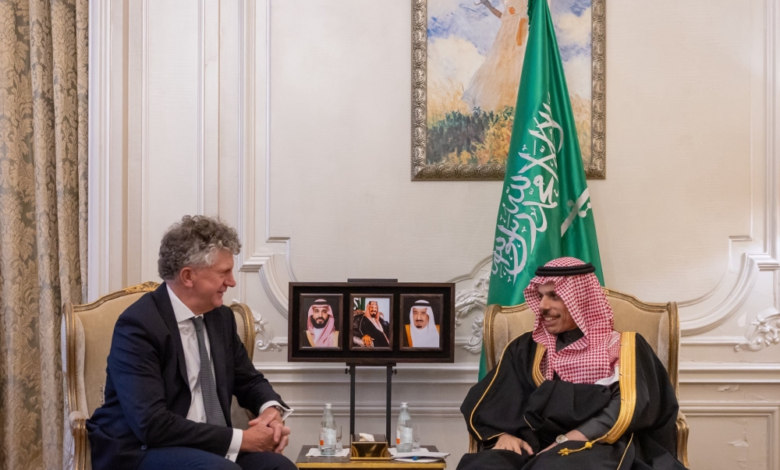

في خطوة دبلوماسية تعكس عمق العلاقات الاستراتيجية بين الرياض ولندن، أكدت المملكة العربية السعودية والمملكة المتحدة على الأهمية القصوى لضمان حرية الملاحة في مضيق هرمز، وضرورة تضافر الجهود الدولية للحفاظ على أمن واستقرار المنطقة. جاء هذا التأكيد خلال لقاء جمع بين صاحب السمو الأمير فيصل بن فرحان بن عبدالله وزير الخارجية، ومستشار الأمن الوطني في المملكة المتحدة، السيد جوناثان باول، في العاصمة البريطانية لندن.
واستعرض الجانبان خلال اللقاء، الذي حضره صاحب السمو الملكي الأمير عبدالله بن خالد بن سلطان، سفير خادم الحرمين الشريفين لدى المملكة المتحدة، مجالات التعاون المشترك بين البلدين الصديقين، بالإضافة إلى مناقشة مستجدات الأوضاع الإقليمية والدولية ذات الاهتمام المشترك.
الأهمية الاستراتيجية لمضيق هرمز
يُعد مضيق هرمز أحد أهم الممرات المائية في العالم، حيث يمر عبره ما يقارب خُمس استهلاك النفط العالمي، مما يجعله شريانًا حيويًا لاقتصاديات العديد من الدول الصناعية والمصدرة للطاقة على حد سواء. يربط المضيق بين الخليج العربي وخليج عُمان، ومنه إلى بحر العرب والمحيط الهندي، وتعتمد عليه دول الخليج بشكل أساسي لتصدير نفطها وغازها الطبيعي إلى الأسواق العالمية. أي تعطيل لحركة الملاحة في هذا المضيق لا يهدد الاقتصادات الإقليمية فحسب، بل يمتد تأثيره ليزعزع استقرار أسواق الطاقة العالمية، مما قد يؤدي إلى ارتفاع حاد في أسعار النفط وتداعيات اقتصادية سلبية على مستوى العالم.
سياق تاريخي من التوترات
لطالما كان مضيق هرمز نقطة توتر جيوسياسي في منطقة الشرق الأوسط. على مر العقود، شهد المضيق حوادث متعددة، بما في ذلك التهديدات المتكررة بإغلاقه واستخدامه كأداة للضغط السياسي. هذه التوترات المستمرة تفرض على المجتمع الدولي، وخاصة القوى الكبرى والدول الإقليمية الفاعلة مثل السعودية، البقاء في حالة تأهب دائم والعمل بشكل استباقي لردع أي محاولات لتهديد أمن هذا الممر المائي. ويأتي الاجتماع السعودي البريطاني في هذا السياق، ليؤكد على وجود جبهة موحدة ترفض استخدام المضيق كساحة لتصفية الحسابات السياسية وتصر على حماية القانون الدولي الذي يكفل حرية الملاحة للجميع.
التأثير المتوقع للتعاون السعودي البريطاني
إن التأكيد المشترك بين الرياض ولندن يحمل رسالة واضحة حول الالتزام المتبادل بأمن الطاقة العالمي والاستقرار الإقليمي. فعلى الصعيد الإقليمي، يعزز هذا الموقف من أمن دول الخليج ويؤكد وجود دعم دولي قوي لمواجهة التهديدات. أما على الصعيد الدولي، فإنه يطمئن الأسواق العالمية والمستثمرين بأن القوى الكبرى تعمل بنشاط للحفاظ على تدفق إمدادات الطاقة دون عوائق. ويمثل هذا التعاون جزءًا من شراكة تاريخية أوسع بين المملكتين، تشمل مجالات الدفاع والأمن والاقتصاد، وتلعب دورًا محوريًا في الحفاظ على التوازن في منطقة الشرق الأوسط.