The future of Saudi-American relations: Strengthening interests and defense cooperation

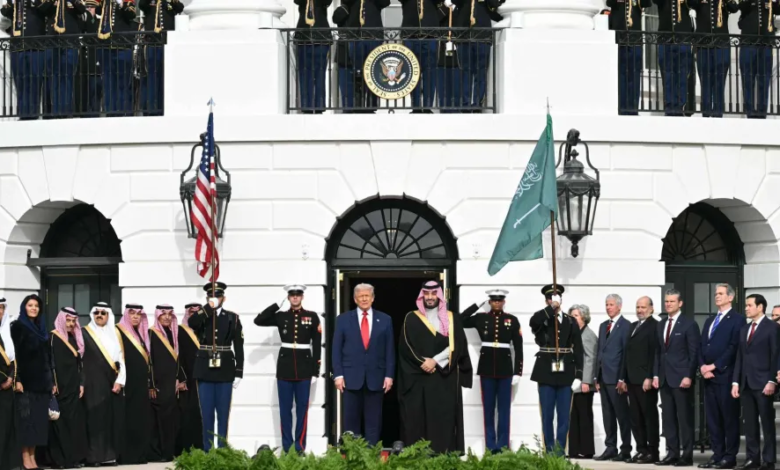
Saudi-American relations are witnessing a pivotal phase characterized by the strengthening of shared political interests and the deepening of defense cooperation, reflecting the depth of the strategic partnership between Riyadh and Washington. This development comes within a broader context of diplomatic initiatives and agreements aimed at consolidating security and stability in the Middle East, and reaffirming the central role played by the Kingdom of Saudi Arabia as an influential regional and international power.
Deeply rooted history
The current state of relations between the two countries cannot be understood in isolation from a long historical legacy spanning more than eight decades. The roots of this relationship trace back to the historic meeting between the founding King Abdulaziz bin Abdul Rahman Al Saud and US President Franklin Roosevelt aboard the USS Quincy in 1945. That meeting not only established a brief diplomatic relationship but also laid the foundation for a lasting strategic alliance that has withstood the test of time and the changes in successive administrations, becoming a cornerstone of international relations.
Defense and security cooperation: a pillar of stability
Defense cooperation is at the forefront of strengthening bilateral relations, as both sides seek to develop an integrated security system to address current challenges. This cooperation extends beyond traditional arms deals to include joint military exercises, intelligence sharing for counterterrorism, and the localization of military industries in line with the goals of Saudi Vision 2030. The United States views Saudi Arabia as an indispensable partner in maintaining the security of waterways and global energy supplies, which underscores the importance of ongoing coordination to deter any threats that could destabilize the region.
Political dimensions and regional and international impact
On the political front, the importance of Saudi-American coordination in addressing the complex issues in the Middle East is paramount. The two countries share common interests in finding sustainable political solutions to the region's crises and working to curb foreign interference that threatens the sovereignty of Arab states. This year's strengthening of political ties reflects a mutual understanding that global stability begins with the stability of the Middle East, and that Riyadh is a gateway to solutions for many regional dilemmas.
In conclusion, the current momentum in Saudi-American relations confirms that this partnership is not just a traditional alliance, but a dynamic relationship that is constantly evolving to meet the interests of both peoples, and to contribute effectively to shaping a safer and more prosperous future for the region and the world.