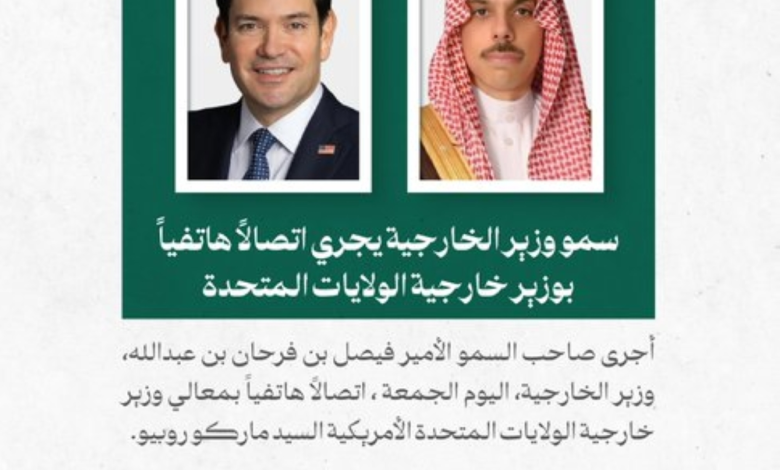

أجرى صاحب السمو الأمير فيصل بن فرحان بن عبدالله، وزير الخارجية السعودي، اتصالاً هاتفياً بمعالي وزير خارجية الولايات المتحدة الأمريكية، السيد ماركو روبيو. وتناول الاتصال بحث مستجدات الأوضاع في منطقة الشرق الأوسط، حيث تصدرت النقاشات الجهود الرامية لضمان استدامة فتح مضيق هرمز، إلى جانب تثبيت وقف إطلاق النار في الجمهورية اللبنانية. وأكد الجانبان على الأهمية البالغة لتعزيز لغة الحوار واللجوء إلى الحلول الدبلوماسية، بما يسهم في تحقيق الأمن والاستقرار لدول المنطقة والعالم.
الأهمية الاستراتيجية والاقتصادية لمضيق هرمز
يأتي هذا الاتصال في ظل ظروف إقليمية ودولية بالغة الدقة، حيث يُعد مضيق هرمز واحداً من أهم الممرات المائية الاستراتيجية على مستوى العالم. تاريخياً، يشكل هذا المضيق الشريان الحيوي لتدفق إمدادات الطاقة العالمية، حيث يمر من خلاله نحو خمس إنتاج النفط العالمي يومياً، ويربط بين الخليج العربي وخليج عُمان وبحر العرب. إن أي تهديد لحركة الملاحة في هذا الممر المائي لا ينعكس فقط على الدول المشاطئة له، بل يمتد تأثيره ليضرب الاقتصاد العالمي بأسره، مما يؤدي إلى تقلبات حادة في أسعار الطاقة واضطراب في سلاسل الإمداد الدولية. لذلك، تبرز أهمية التنسيق السعودي الأمريكي المشترك كركيزة أساسية لحماية حرية الملاحة البحرية وضمان أمن الطاقة العالمي.
تثبيت وقف إطلاق النار في لبنان
على الصعيد الإقليمي، تطرق الوزيران إلى الملف اللبناني، مع التركيز على أهمية تثبيت وقف إطلاق النار. يعاني لبنان من أزمات سياسية واقتصادية متلاحقة، وتصاعد في التوترات الأمنية التي تهدد استقراره الداخلي واستقرار الدول المجاورة. إن الجهود السعودية والأمريكية في هذا السياق تهدف إلى دعم مؤسسات الدولة اللبنانية، وتجنيب البلاد ويلات الانزلاق نحو صراع أوسع قد يجر المنطقة بأكملها إلى تداعيات كارثية. ويعكس هذا التوجه حرص المملكة العربية السعودية الدائم على التهدئة ودعم سيادة الدول العربية واستقرارها.
التأثير الدولي والحلول الدبلوماسية
إن التأثير المتوقع لمثل هذه المباحثات يتجاوز النطاق المحلي والإقليمي ليصل إلى الساحة الدولية. فمن خلال التأكيد على الحلول الدبلوماسية، ترسل الرياض وواشنطن رسالة واضحة للمجتمع الدولي مفادها أن الحوار هو السبيل الأوحد لتسوية النزاعات المعقدة. وتلعب الدبلوماسية السعودية دوراً محورياً في قيادة جهود السلام في الشرق الأوسط، مستندة إلى ثقلها السياسي والاقتصادي والدبلوماسي. وفي المقابل، تؤكد الولايات المتحدة من خلال هذه الشراكة الاستراتيجية التزامها بأمن حلفائها في المنطقة وحماية المصالح المشتركة.
ختاماً، تظل الشراكة الاستراتيجية بين المملكة العربية السعودية والولايات المتحدة الأمريكية صمام أمان رئيسي لمواجهة التحديات الجيوسياسية المتزايدة. إن استدامة فتح مضيق هرمز وتثبيت الاستقرار في لبنان ليسا مجرد أهداف سياسية، بل هما ضرورة ملحة لضمان مستقبل آمن ومزدهر لشعوب المنطقة، وحماية للاقتصاد العالمي من أي صدمات محتملة قد تعيق مسيرة التنمية والنمو.