The Organization of Islamic Cooperation condemns the new Israeli settlement in the West Bank

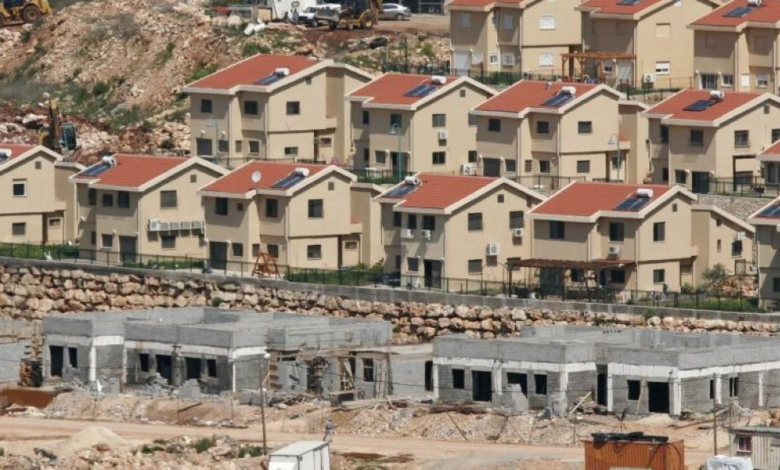
OIC) The Organization of Islamic Cooperation ( strongly condemned and categorically rejected the Israeli occupation of the construction of 764 new settlement units, in addition to the unveiling of a strategic plan to establish 17 new settlements throughout West Bank over the next five years. The OIC considered these steps a dangerous escalation that falls within the policies of de facto annexation of Palestinian land and attempts to alter its demographic and geographic character.
A blatant violation of international law
The organization affirmed in its statement that Israel’s colonial settlement policy constitutes a clear war crime and a flagrant violation of the principles of international law and the Geneva Conventions, as well as a blatant defiance of relevant UN resolutions. It specifically referred to UN Security Council Resolution 2334 of 2016, which affirms the illegality of settlements in the Palestinian territories occupied since 1967, including East Jerusalem, and demands their immediate cessation.
Historical context and ongoing plans
These developments come within a historical context that extends back to the 1967 war, during which successive Israeli governments have systematically expanded settlements in the West Bank and Jerusalem. These deliberate policies aim to create facts on the ground that render the establishment of a geographically contiguous and viable Palestinian state virtually impossible. The occupying authorities exploit Area C, as defined by the Oslo Accords, to intensify settlement construction, thereby isolating Palestinian towns and villages from one another and transforming them into isolated enclaves.
Serious political and security repercussions
Observers and the international community warn that the continued, accelerated pace of settlement construction is definitively undermining the prospects for a two-state solution, which is the cornerstone of the Middle East peace process. These plans will also exacerbate tensions in the region and increase unrest, threatening regional and international security and stability. Experts indicate that the legalization of settlement outposts and the construction of new settlement cities reflect the occupation's lack of any genuine intention to reach a just and peaceful settlement.
A call for urgent international action
In concluding its statement, the Organization of Islamic Cooperation reiterated its call upon the international community, particularly the UN Security Council, to uphold its legal and moral responsibilities. It demanded immediate and decisive action to implement international resolutions and put an end to all crimes and violations perpetrated by the Israeli occupation against the Palestinian people, their land, and their holy sites, emphasizing that international silence emboldens the occupation to persist in its violations.