
بعد مرور عقد حافل بالإنجازات والتحولات الجذرية، تدخل المملكة العربية السعودية مرحلة جديدة وحاسمة في مسيرتها التنموية مع انطلاق المرحلة الثالثة من رؤية السعودية 2030، والتي تمتد من عام 2026 حتى 2030. تأتي هذه المرحلة للبناء على النجاحات الكبيرة التي تحققت في المرحلتين السابقتين، بهدف تعميق الأثر وضمان استدامة النمو الاقتصادي والاجتماعي على المدى الطويل.
خلفية تاريخية: انطلاق رؤية طموحة لمستقبل جديد
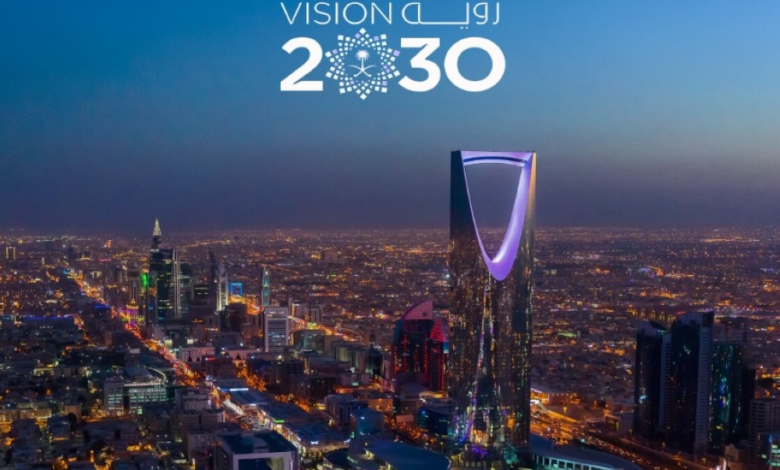
أُطلقت رؤية السعودية 2030 في 25 أبريل 2016، برعاية وتوجيه من صاحب السمو الملكي الأمير محمد بن سلمان بن عبد العزيز آل سعود، ولي العهد رئيس مجلس الوزراء. جاءت هذه الخارطة الطموحة كاستجابة استراتيجية لضرورة تنويع الاقتصاد السعودي وتقليل اعتماده على النفط، الذي شكّل لعقود طويلة العمود الفقري للاقتصاد الوطني. ترتكز الرؤية على ثلاثة محاور رئيسية: مجتمع حيوي، واقتصاد مزدهر، ووطن طموح، وتتضمن مجموعة واسعة من الأهداف والمبادرات التي تشمل كافة القطاعات.
حصاد المراحل السابقة: أساس متين للمستقبل
شهدت السنوات الماضية تحقيق قفزات نوعية في مختلف المجالات، حيث ركزت المرحلة الأولى (2016-2020) على وضع الأسس التشريعية والمؤسسية، وإعادة هيكلة أجهزة الدولة، وتعزيز مبادئ الحوكمة والشفافية. أما المرحلة الثانية (2021-2025)، فقد شهدت تسريع وتيرة التنفيذ وتحقيق المكتسبات، ومن أبرزها:
- نمو اقتصادي غير مسبوق: تحقيق نمو كبير في الناتج المحلي الإجمالي غير النفطي، ليصبح المحرك الرئيسي للاقتصاد.
- تمكين المرأة والشباب: ارتفاع نسبة مشاركة المرأة في سوق العمل بشكل ملحوظ وتوفير فرص واعدة للشباب السعودي.
- دور محوري لصندوق الاستثمارات العامة: تحول الصندوق إلى أحد أكبر الصناديق السيادية في العالم، وقاد استثمارات ضخمة في قطاعات جديدة وواعدة محليًا ودوليًا.
- تحسين جودة الحياة: تطوير قطاعات السياحة والترفيه والثقافة والرياضة، وإطلاق مشاريع كبرى مثل نيوم، والبحر الأحمر، والقدية.
وتشير البيانات الرسمية إلى أن حوالي 93% من مؤشرات أداء الرؤية حققت مستهدفاتها السنوية، مما يعكس كفاءة التنفيذ والالتزام بتحقيق الأهداف المرسومة.
المرحلة الثالثة (2026-2030): تعميق الأثر واستدامة النمو
تركز المرحلة الثالثة والأخيرة على استدامة المكتسبات ومضاعفة الجهود لتحقيق الأهداف النهائية للرؤية بحلول عام 2030. ستعتمد هذه المرحلة بشكل كبير على الاستراتيجيات الوطنية القطاعية والمناطقية التي تم تطويرها، لضمان استمرارية الأثر التنموي حتى بعد انتهاء الإطار الزمني للرؤية. من المتوقع أن تشهد هذه الفترة تركيزًا مكثفًا على تعزيز الاستثمارات المحلية والأجنبية، وتطوير القدرات البشرية، وترسيخ مكانة المملكة كمركز لوجستي وتقني ومالي رائد على مستوى العالم.
الأهمية والتأثير المتوقع
لا يقتصر تأثير رؤية 2030 على الداخل السعودي فحسب، بل يمتد تأثيرها إقليميًا ودوليًا. على الصعيد المحلي، تواصل الرؤية تحسين حياة المواطنين وتوفير فرص عمل متنوعة. إقليميًا، تقدم المملكة نموذجًا ملهمًا في التحول الاقتصادي لدول المنطقة. أما دوليًا، فقد عززت الرؤية من مكانة السعودية كلاعب مؤثر في الاقتصاد العالمي، وجعلتها وجهة جاذبة للاستثمارات والمواهب، وهو ما يتجلى في استضافتها لأحداث عالمية كبرى مثل إكسبو 2030 في الرياض وكأس العالم 2034.