
The National Center for Meteorology in Saudi Arabia issued of Qurayyat and Tabarjal in the Al-Jawf region. These warnings come as part of ongoing monitoring of the winter weather fluctuations the country is experiencing during this period.
Details of the cold wave and freezing conditions
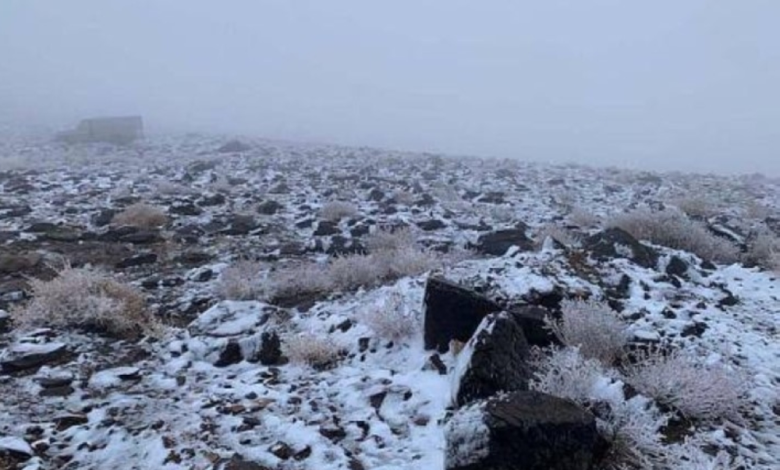
The center explained in its official report that the weather system will begin to have a direct impact at dawn on Tuesday, with temperatures expected to drop sharply and noticeably. Meteorological forecasts indicate that minimum temperatures will range between 0°C and -3°C, creating conditions conducive to frost and freezing, especially in the early morning hours. The center has set the warning period to begin at 1:00 AM and continue until 8:00 AM on Tuesday.
The impact extends to the northern and central regions
The impact of this cold air mass is not limited to the Al-Jawf region, but extends to large areas of northern and northwestern Saudi Arabia. The National Center for Meteorology indicated that the Tabuk, Northern Borders, and Hail , in addition to the northern parts of the Madinah , will all experience a noticeable drop in minimum temperatures. Temperatures in these areas are expected to range between 2 degrees Celsius above zero and 2 degrees below zero during the period from Tuesday to Thursday (January 20–22).
The climatic and geographical context of the region
The northern regions of Saudi Arabia, such as Al-Jawf, the Northern Borders, and Tabuk, are the primary gateway for cold waves originating from higher latitudes and polar regions across the eastern Mediterranean. Historically, these areas experience frequent frost waves in January and February, with temperatures dropping to record lows compared to the rest of the Kingdom. These waves are particularly significant due to the exposed geography of these regions, which increases surface wind speeds and intensifies the feeling of cold.
Expected effects and general warnings
In addition to the drop in temperature, the meteorological department warned of active surface winds stirring up dust and sand, which could reduce horizontal visibility on highways and open roads. This weather condition necessitates caution, especially for drivers and those using rural roads. Frost formation also poses potential impacts on the agricultural sector in the Al-Jawf region, which is known for its olive and fruit cultivation, as farmers may need to take preventative measures to protect their crops from freezing damage.
Experts advise citizens and residents in the affected areas to wear heavy winter clothing, secure appropriate and safe heating methods, and follow the constantly updated weather bulletins through the official channels of the National Center for Meteorology to ensure public safety during the period of impact of this polar wave.