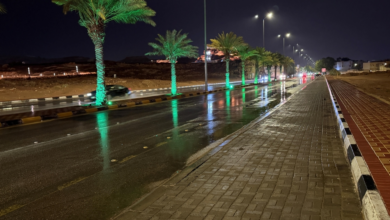

The National Center for Meteorology issued an important report Wednesday morning, warning of unstable weather conditions affecting large parts of the Kingdom. The center explained in its weather bulletin that 10 regions will experience fog of varying intensity, sometimes reaching very dense levels, necessitating caution from citizens and residents, especially those traveling on highways and open roads.
Weather details and timings
According to meteorological data, this weather phenomenon began in the early morning hours and will continue until 8:00 AM in some areas, while extending to 9:00 AM in others. The main impact of this weather system is a significant decrease in horizontal visibility, ranging from 3 to 5 kilometers in some places, while reaching near-zero or zero visibility (less than one kilometer) in the most affected areas, posing a major challenge to traffic and transportation.
The importance of warnings and traffic safety measures
These warnings are of paramount importance given the terrain and the extensive road network connecting the Kingdom's cities and provinces. Such weather conditions typically coincide with calls from security and traffic authorities, such as the Special Forces for Road Security, urging drivers to adhere to safe driving practices. Experts advise using fog lights in these conditions, avoiding high beams which can impair visibility, maintaining a safe following distance, and reducing speed to suit road conditions and visibility.
Areas and cities covered by the alert
The National Center for Meteorology's report included a detailed list of affected regions and cities, reflecting the widespread nature of the weather conditions across large areas of the Kingdom. The distributions were as follows:
- Eastern Province: Vital and industrial cities and governorates were affected, including Jubail, Khobar, Dammam, Qatif, Ras Tanura, Al-Ahsa, Al-Udayd, Abqaiq, Khafji, Al-Nairiyah, Qaryat Al-Ulya, and Hafr Al-Batin.
- Riyadh region: The fog included the capital Riyadh, in addition to Diriyah, Al-Kharj, Al-Dilam, Al-Muzahmiyah, Hawtat Bani Tamim, Al-Zulfi, Al-Ghat, Al-Majma’ah, Shaqra, Al-Dawadmi, Al-Rayn, Al-Quway’iyah, Afif, Thadiq, Huraymila, Rumah, Dhurma, Marat, Al-Aflaj and Al-Hariq.
- Makkah Region: The situation was particularly concentrated in Taif Governorate.
- Medina: included Medina, Al-Hanakiya, and Wadi Al-Fara.
- Al-Qassim region: Fog covered most of the region’s governorates, including Buraidah, Unaizah, Ar-Rass, Al-Bukayriyah, Al-Mudhnib, Al-Badai’, Al-Asyah, An-Nabhaniah, Uyun Al-Jawa, Riyadh Al-Khabra, Ash-Shamasiyah, and others.
- Asir region: The highlands and cities such as Abha, Khamis Mushait, Al Namas, Tanomah, Balqarn, Ahad Rafidah, and Sarat Abidah were affected.
- Other areas: The situation included the Jazan (including Fifa, Haroub and coastal Jazan), the Al-Jawf (Sakaka, Dumat Al-Jandal, Al-Qurayyat), the Northern Borders Hail region with all its main governorates.
General climatic context
These weather fluctuations are part of the Kingdom's typical climatic patterns during seasonal transitions and winter, when relative humidity increases and minimum temperatures drop, creating conditions conducive to the formation of dense fog. The National Center of Meteorology is the official body authorized to monitor these changes and issue early warnings to ensure the safety of lives and property, and to raise public awareness about expected weather conditions.