
أصدر المركز الوطني للأرصاد تقريره اليومي بشأن حالة الطقس المتوقعة على مختلف مناطق المملكة العربية السعودية، مشيراً إلى استمرار التقلبات الجوية التي تتسم بنشاط الرياح السطحية وتدني مدى الرؤية الأفقية في عدة مناطق، بالتزامن مع اقتراب نهاية فصل الشتاء فلكياً.
تفاصيل الحالة الجوية والرياح النشطة
أوضح التقرير استمرار تأثير الرياح النشطة المثيرة للأتربة والغبار، مما يحد من مدى الرؤية الأفقية على أجزاء واسعة من مناطق الحدود الشمالية، الجوف، تبوك، وحائل. كما تمتد هذه التأثيرات لتشمل الأجزاء الشرقية من منطقتي المدينة المنورة ومكة المكرمة. وتأتي هذه الحالة الجوية نتيجة للفوارق في قيم الضغط الجوي التي تساهم في نشاط الرياح السطحية، وهي ظاهرة معتادة في الفترات الانتقالية بين الفصول.
فرص تشكل الضباب والأمطار
في المقابل، نبه المركز إلى أن الفرصة لا تزال مهيأة لتكون الضباب الكثيف خلال ساعات الليل والصباح الباكر، مما قد يؤدي إلى انعدام الرؤية الأفقية على الأجزاء الساحلية من مناطق مكة المكرمة، عسير، وجازان، بالإضافة إلى أجزاء من المنطقة الشرقية. كما لم يستبعد التقرير هطول أمطار خفيفة ومتفرقة على الأجزاء الشمالية من المملكة، مما يضفي أجواءً شتوية رطبة قبل التحول الفصلي.
حالة البحر الأحمر والخليج العربي
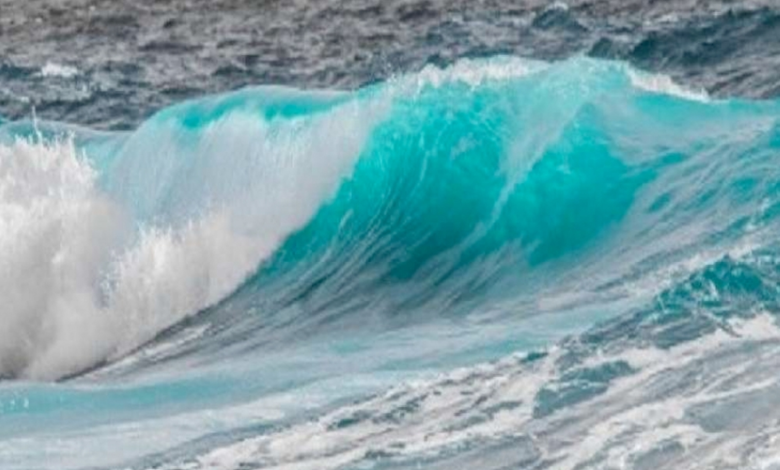
وفيما يتعلق بحالة البحر، أشار التقرير إلى أن حركة الرياح السطحية على البحر الأحمر ستكون جنوبية غربية إلى شمالية غربية على الجزء الشمالي، وجنوبية شرقية تتحول إلى جنوبية غربية على الجزأين الأوسط والجنوبي بسرعات تصل إلى 32 كم/ساعة، مع ارتفاع للموج يتراوح بين نصف المتر ومتر ونصف. أما في الخليج العربي، فتكون الرياح شمالية غربية إلى شمالية، مع حالة بحر خفيفة إلى متوسطة الموج.
نهاية فصل الشتاء وتغيرات درجات الحرارة
وفي سياق متصل، أعلن المتحدث الرسمي باسم المركز الوطني للأرصاد أن فصل الشتاء سينتهي رسمياً في المملكة بعد 12 يوماً. وأشار عبر حسابه الرسمي إلى أن هذا الشتاء كان أدفأ من المعتاد في بعض المدن، حيث لم تشعر مناطق واسعة بالبرودة القارسة المعتادة، وعزا ذلك إلى تركز الكتل الهوائية الباردة بشكل أكبر على المناطق الشمالية والوسطى. وأضاف أنه مع الارتفاع التدريجي في درجات الحرارة الذي تشهده المملكة حالياً، خاصة على السواحل، فإننا نستعد لتوديع فصل الشتاء واستقبال الأجواء الربيعية الانتقالية.
أهمية توخي الحذر
تستدعي هذه الحالة الجوية المتقلبة من قائدي المركبات على الطرق السريعة والمفتوحة توخي الحيطة والحذر، خاصة في المناطق التي تشهد كثافة في الغبار أو الضباب، حفاظاً على السلامة العامة وتجنباً للحوادث المرورية الناتجة عن تدني الرؤية.