
Warning of an unprecedented energy crisis
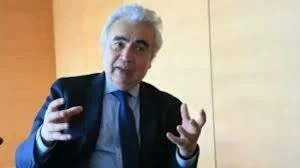
Fatih Birol, head of the International Energy Agency (IEA), issued a stark warning that the world is facing what could be the worst energy crisis in history, indicating that sharp market volatility could persist for up to two years. In an interview with France Inter radio, Birol stated that escalating geopolitical tensions, particularly the conflict in Ukraine and the unrest in the Middle East, have created a fragile situation combining an oil crisis and a gas crisis simultaneously.
Birol said, “This is already the biggest crisis in history, and it’s enormous when you combine the effects of the oil crisis and the gas crisis linked to Russia.” He explained that these fluctuations could persist even if geopolitical conditions improve, given the structural imbalances affecting global supply and demand markets.
Historical context of energy crises
Birol’s statements take on particular significance when placed in the context of historical crises that have shaped the global economy. In 1973, the October War led to an oil embargo by the Arab Petroleum Exporting Countries (OAPEC), causing prices to quadruple and plunging Western economies into stagflation. In 1979, the Iranian Revolution caused another major disruption to oil supplies, triggering a second wave of price shocks. The most recent crisis in 2022 stemmed primarily from Russia’s invasion of Ukraine, which significantly cut off Russian gas supplies to Europe, driving natural gas prices to record highs and forcing the continent to seek expensive alternatives.
The importance and expected effects of the current crisis
The danger of the current crisis lies in its multifaceted nature. Internationally, rising energy prices are fueling global inflation, putting pressure on central banks to raise interest rates, which in turn threatens to slow global economic growth. Industries are directly affected by increased production costs, while consumers are burdened by exorbitant electricity and fuel bills that erode their purchasing power.
Regionally, escalating tensions in the Middle East increase the risks surrounding the Strait of Hormuz, a vital waterway through which nearly a fifth of the world’s oil and liquefied natural gas supplies pass. Any disruption to navigation in this strait would have immediate and catastrophic consequences for global markets. In Europe, the continent is still recovering from the shock of abandoning Russian gas, making it particularly vulnerable to any new supply disruptions.
To address these challenges, the International Energy Agency has previously resorted to coordinating coordinated withdrawals from member countries’ strategic oil reserves in order to calm markets and provide additional supplies during periods of severe shortages, a measure that reflects the seriousness of the current situation.