The assassination of the Libyan army chief of staff in Türkiye: details and repercussions of the incident

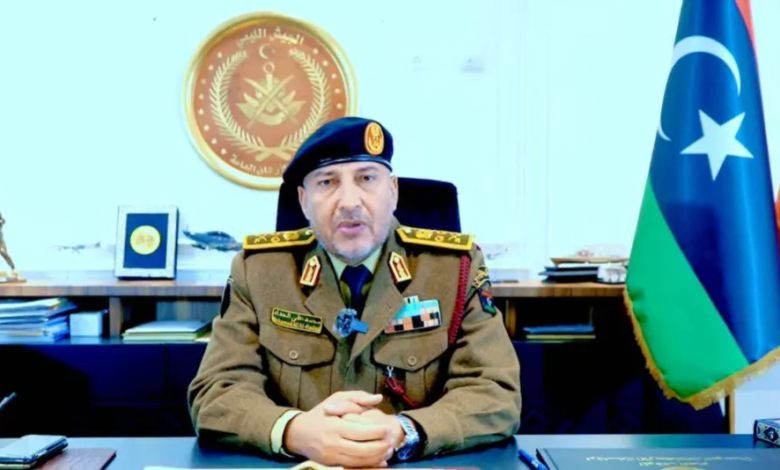
In a tragic incident that has cast a shadow over the political and military landscape in North Africa, reports from Ankara indicate that the Libyan army chief of staff was killed when his plane crashed while he was in Turkish territory. This incident comes at a highly sensitive time for Libya, amidst strenuous efforts to unify the military institution and establish stability after years of internal conflict.
Context of Libyan-Turkish military relations
This incident cannot be understood in isolation from the depth of the strategic and military ties that bind Tripoli to Ankara. Since the signing of the security and maritime memoranda of understanding between the former Government of National Accord and the Turkish government in late 2019, Turkey has become a key partner in restructuring and training Libyan military forces in the western region. Turkish airports and military bases witness a constant flow of Libyan military delegations for training and joint coordination, which explains the presence of the Chief of Staff in Turkish airspace.
The importance of the Chief of Staff position in the current landscape
The position of Chief of Staff of the Libyan Army is one of the most important sovereign posts in the country, especially given the institutional divisions that have plagued Libya for years. The Chief of Staff leads the technical and field efforts to regulate the regular forces and plays a pivotal role in the UN-sponsored Joint Military Commission (5+5) talks aimed at unifying the Libyan army in the east and west. Therefore, a sudden vacancy in this position could cause temporary disruption to these sensitive negotiations.
Potential local and regional repercussions
Domestically, observers fear this incident could create a leadership vacuum that some parties might exploit to obstruct the political or military process, placing the Libyan Presidential Council—as the supreme commander of the army—before a significant challenge in appointing a consensus candidate capable of maintaining the fragile balance. Regionally, the incident will once again draw attention to the extent of Turkish involvement in the Libyan conflict and may prompt key players in the Libyan file, such as Egypt, the United States, and the European Union, to intensify their contacts to ensure the situation does not spiral into further chaos.
The future of the military establishment
This tragic incident raises legitimate questions about the future of training and armament programs, and the extent to which the current leadership's absence will affect the morale of officers and soldiers. However, historical evidence suggests that the Libyan military, despite the challenges, remains a crucial element in maintaining stability. It is expected that official bodies will act swiftly to contain the situation and conduct a transparent investigation to uncover the circumstances of the plane crash, whether due to a technical malfunction or weather conditions, in order to preempt any rumors that could incite unrest.