Environmental security forces uncover environmental violations in the royal reserves in Riyadh

continued The Special Forces for Environmental Security their intensive field efforts to protect the natural resources in the Kingdom of Saudi Arabia, where they were able to apprehend a number of violators of the environmental system in several locations in the Riyadh region, including the Imam Abdulaziz bin Mohammed Royal Reserve, the King Abdulaziz Royal Reserve, and the Tuwaiq Reserve.
Details of seizures and violations
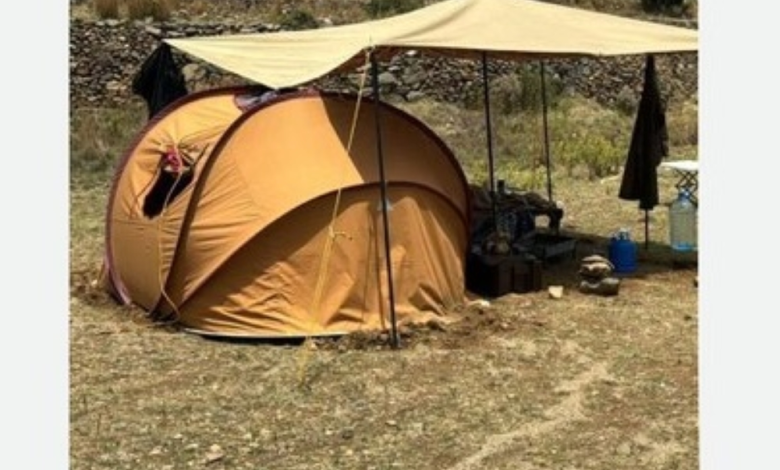
During their patrols, the authorities apprehended a citizen for violating environmental regulations by camping without a permit in the Imam Abdulaziz bin Mohammed Royal Reserve. The necessary legal procedures were immediately applied to him. In their statement, the authorities clarified that camping in forests or national parks without a permit carries a fine of up to 3,000 riyals, emphasizing the importance of adhering to designated and licensed areas for this purpose.
In a related incident, another citizen was apprehended in the Tuwaiq Nature Reserve in possession of a cubic meter of local firewood, a clear violation of the environmental regulations that prohibit logging and the transport of local firewood. Authorities indicated that the penalty for transporting local firewood and charcoal is 16,000 riyals per cubic meter. The seized quantities were confiscated and handed over to the relevant authorities.
Field patrols also apprehended a citizen for grazing camels in prohibited areas within the King Abdulaziz Royal Reserve, where (22) camels were confiscated. The authorities confirmed that the penalty for grazing camels in prohibited areas is a fine of (500) riyals per camel, in order to protect the vegetation from overgrazing.
Context of environmental protection and Vision 2030
These security efforts come within the context of the major environmental transformation underway in Saudi Arabia, stemming from Vision 2030and the "Green Saudi Arabia" initiative. Royal reserves were established by royal decree with the aim of preserving biodiversity, reintroducing endangered wildlife, and promoting sustainable ecotourism.
Unregulated logging and overgrazing are among the most significant challenges facing the desert environment, contributing directly to desertification and soil degradation. Therefore, relevant authorities have enacted strict legislation and deterrent penalties to curb these practices, aiming to restore natural vegetation cover and ensure its sustainability for future generations.
The importance of commitment and reporting
The Special Forces for Environmental Security called on all citizens and residents to abide by environmental regulations and contribute to protecting the nation's natural resources. They emphasized the importance of reporting any violations against the environment or wildlife by calling 911 in the Makkah, Riyadh, and Eastern regions, and 999 and 996 in the rest of the Kingdom.