Saudi Arabia weather today: Thunderstorms and dust in Mecca, Medina and 7 other regions

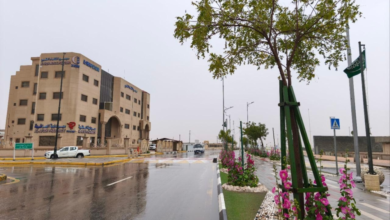
The National Center for Meteorology issued its daily weather for Monday, revealing weather fluctuations affecting large parts of Saudi Arabia. The report indicates a continued chance of thunderstorms of varying intensity, accompanied by strong surface winds, in parts of the Northern Borders, Al-Jawf, Tabuk, and Hail regions, as well as the Madinah and Makkah regions, extending to the highlands of Al-Baha.
Wind activity and reduced horizontal visibility
In a related context, the center explained that the impact of active winds stirring up dust and sand will not be limited to rainy areas, but will extend to parts of the Riyadh and Qassim regions. Weather experts typically warn of reduced horizontal visibility on highways and open areas in such conditions, necessitating caution while driving. The report also did not rule out the formation of fog during the early morning hours in parts of the Eastern Province and the southwestern highlands, adding another factor that requires vigilance from road users.
State of the Red Sea and the Arabian Gulf
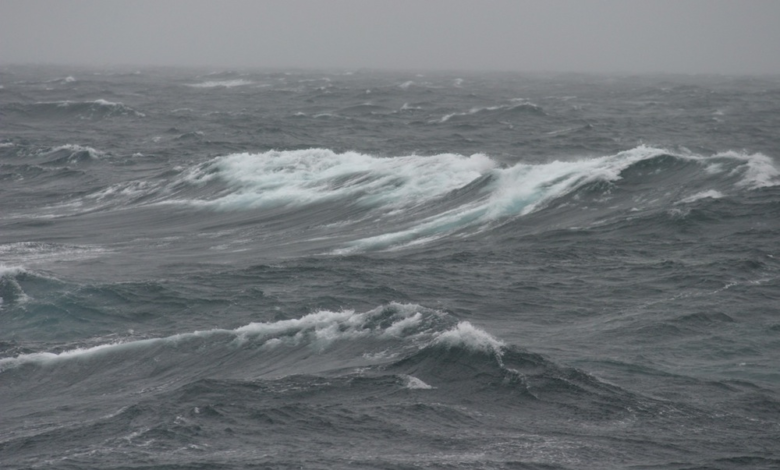
Regarding the maritime conditions, the Red Sea is experiencing surface winds ranging from 10 to 45 km/h, potentially reaching 55 km/h towards the Bab el-Mandeb Strait. This is causing waves to exceed 2.5 meters in height in the southern part, resulting in rough sea conditions. The Arabian Gulf, on the other hand, is experiencing relatively stable conditions with light waves and moderate northerly to southwesterly winds.
Climate context and the importance of early warnings
These weather fluctuations are part of the Kingdom's natural climatic patterns during the transitional periods between seasons, as the region is affected by the passage of low-pressure systems that contribute to instability. These rains are crucial for replenishing groundwater reserves and supporting vegetation cover, particularly in the northern and southwestern regions. However, the geographical nature of some areas may transform these rains into flash floods in valleys and ravines.
The National Center of Meteorology's daily reports play a vital role in enhancing public safety, as relevant authorities such as the Civil Defense rely on them to issue alerts and warnings to citizens and residents. In such weather conditions, it is always advisable to stay away from floodplains and valleys, and to follow weather updates through official channels, given the rapid changes that can occur in cloud and wind patterns.