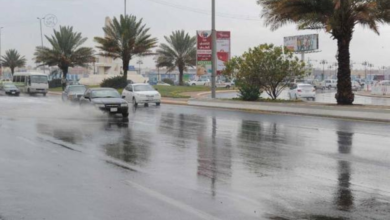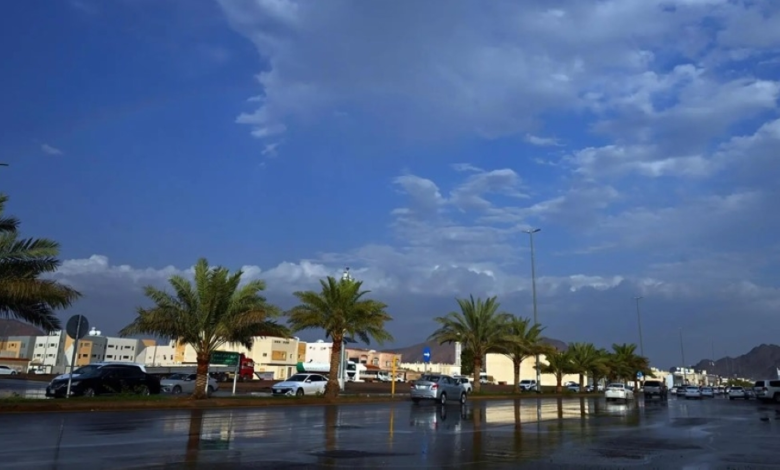

أصدر المركز الوطني للأرصاد في المملكة العربية السعودية تقريره اليومي المفصل حول حالة الطقس المتوقعة لهذا اليوم الأحد، مشيراً إلى تقلبات جوية ملموسة تؤثر على مساحات واسعة من المملكة. وتضمن التقرير تنبيهات هامة للمواطنين والمقيمين بشأن انخفاض درجات الحرارة، ونشاط الرياح السطحية، وتكون الضباب الكثيف الذي قد يؤثر على مدى الرؤية الأفقية في 12 منطقة مختلفة.
تفاصيل الحالة الجوية والمناطق المتأثرة
وفقاً للبيان الرسمي الصادر عن الأرصاد، فإنه من المتوقع أن يستمر تأثير الرياح النشطة المثيرة للأتربة والغبار، مما يحد من مدى الرؤية الأفقية على أجزاء من مناطق الشرقية، والرياض، والقصيم. ولا يقتصر هذا التأثير على المناطق الوسطى والشرقية فحسب، بل يمتد ليشمل أجزاء من منطقتي المدينة المنورة ومكة المكرمة، مما يستدعي توخي الحيطة والحذر أثناء القيادة على الطرق السريعة والمفتوحة.
وفي المقابل، تشهد المناطق الشمالية من المملكة تغيراً حرارياً ملحوظاً، حيث يطرأ انخفاض ملموس في درجات الحرارة على مناطق الجوف، والحدود الشمالية، وحائل، ويمتد هذا الانخفاض ليشمل أجزاء من منطقة تبوك. وتتزامن هذه الموجة الباردة مع فرص مهيأة لتكون الضباب خلال ساعات الليل والصباح الباكر على المرتفعات الجنوبية الغربية، وتحديداً على أجزاء من مناطق جازان، وعسير، والباحة، مما قد يتسبب في تدني الرؤية بشكل كبير.
السياق المناخي والتحولات الموسمية
تأتي هذه التقلبات الجوية في سياق الفترة الانتقالية التي تشهدها أجواء المملكة العربية السعودية، حيث تبدأ الكتل الهوائية الباردة بالتعمق تدريجياً قادمة من الشمال، مما يؤدي إلى تباين واضح في درجات الحرارة بين شمال المملكة وجنوبها. وتعد هذه الظواهر طبيعية في مثل هذا الوقت من العام، حيث تتداخل تأثيرات المنخفضات الجوية العابرة مع الطبيعة الجغرافية المتنوعة للمملكة، من السواحل الرطبة إلى الصحاري الجافة والمرتفعات الجبلية.
ويؤدي التنوع التضاريسي للمملكة دوراً محورياً في تشكيل هذه الأنماط المناخية؛ فبينما تستقبل المناطق الشمالية الموجات الباردة بشكل مباشر، تعمل المرتفعات في عسير والباحة كمصدات للرياح الرطبة، مما يعزز فرص تكون الضباب الكثيف، وهي ظاهرة تتكرر سنوياً وتستدعي دائماً تفعيل خطط السلامة المرورية.
التأثيرات المتوقعة وتوصيات السلامة
نظراً لهذه المعطيات، تبرز أهمية الالتزام بتعليمات الجهات المعنية، حيث تؤثر الرياح المثيرة للأتربة بشكل مباشر على مرضى الجهاز التنفسي والربو، مما يتطلب تجنب التعرض المباشر للغبار. كما أن انخفاض درجات الحرارة في الشمال يستوجب الاستعداد بالملابس الشتوية المناسبة، خاصة للأطفال وكبار السن، لتجنب نزلات البرد الموسمية.
وعلى صعيد السلامة المرورية، يشكل الضباب في المرتفعات والغبار في المناطق المفتوحة تحدياً لقائدي المركبات. وعادة ما تدعو الجهات الأمنية والمرورية في مثل هذه الظروف إلى خفض السرعات واستخدام إضاءة الضباب، والابتعاد عن مناطق تجمع السيول أو الأودية في حال هطول أي أمطار مصاحبة لهذه التقلبات.
حالة البحر الأحمر والخليج العربي
وفيما يخص الحالة البحرية، أوضح التقرير التفاصيل التالية:
البحر الأحمر
- الرياح السطحية: تكون شمالية غربية إلى شمالية بسرعة تتراوح بين 16-36 كم/ساعة على الجزأين الشمالي والأوسط. بينما تكون جنوبية شرقية إلى جنوبية بسرعة 14-32 كم/ساعة على الجزء الجنوبي، وقد تصل سرعتها إلى 45 كم/ساعة باتجاه مضيق باب المندب.
- ارتفاع الموج: يتراوح من نصف المتر إلى متر ونصف، وقد يصل إلى مترين باتجاه مضيق باب المندب.
- حالة البحر: خفيف إلى متوسط الموج.
الخليج العربي
- الرياح السطحية: تبدأ جنوبية شرقية إلى شمالية شرقية، ثم تتحول خلال فترة الظهيرة إلى شمالية غربية بسرعة 15-45 كم/ساعة على الجزأين الشمالي والأوسط. أما في الجزء الجنوبي، فتكون جنوبية شرقية إلى جنوبية وتتحول مساءً إلى جنوبية غربية إلى غربية بسرعة 10-40 كم/ساعة.
- ارتفاع الموج: من متر إلى مترين على الجزء الشمالي والأوسط، ومن نصف المتر إلى متر ونصف على الجزء الجنوبي.
- حالة البحر: متوسط الموج في الشمال والوسط، وخفيف إلى متوسط في الجنوب.