
In a breathtaking display of courage and quick thinking, a young Saudi woman in the Jazan region demonstrated a heroic act that will be remembered by the community. She prevented a horrific traffic accident that could have claimed the lives of an entire family and caused extensive damage to passing vehicles. This noble act did not go unnoticed; it was met with great appreciation and a generous reward, reflecting gratitude for her humanitarian deed.
Details of the heroic stand in Jazan
The incident unfolded in a critical moment when the driver got out of his vehicle to attend to an urgent matter, neglecting to properly secure it and disengage the handbrake. Within seconds, the vehicle began to move and slowly reverse, quickly escalating into a dangerous skid onto a busy main road filled with speeding cars. The greatest tragedy was that a mother and her children were inside the skidding car, experiencing moments of sheer terror as the driver lost control.
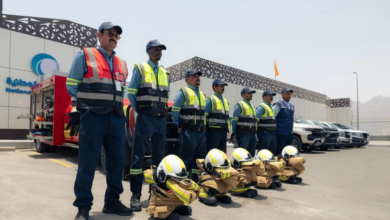
At that critical moment, the young Saudi woman, who works as a supervisor at a company, noticed the situation. Instead of standing by as a bystander or becoming confused, she acted with astonishing quick thinking and rare courage, running towards the skidding car. In a heroic move, she managed to reach the driver's cabin and stop the vehicle before it crashed into other cars on the highway, thus saving the mother and her children from an uncertain fate and averting a potential traffic disaster.
Generous bonus: a 2026 model car
In recognition of her heroic act and profound sense of responsibility, the company where the young woman works decided to honor her exceptionally. They presented her with a brand-new car (2026 model) as a gift and immediate reward, expressing their pride in her courage and wise action that saved innocent lives.
The context of empowering Saudi women and their societal role
This event cannot be read in isolation from the major transformations that the Kingdom of Saudi Arabia has witnessed in recent years, specifically since the issuance of the royal decree allowing women to drive in 2018. This historic decision not only granted women the right to drive, but also enhanced their self-confidence and presence in the public sphere, and made them more capable of dealing with vehicles and understanding their mechanisms, which enabled this girl to act skillfully and know how to stop the car in time.
This stance reflects the bright image of Saudi women today, who have become active partners in protecting society, possessing the courage and ability to make difficult decisions in a split second. The event also highlights the importance of corporate social responsibility in the Kingdom, as honoring the young woman serves as a significant moral incentive, encouraging a culture of initiative and helpfulness within the community.
The importance of traffic awareness and the impact of the event
This incident also highlights the importance of adhering to traffic safety rules and the necessity of ensuring vehicles are securely parked before leaving them, especially when passengers are inside. A simple mistake can lead to dire consequences, and were it not for God's grace and this young woman's courage, the outcome could have been tragic. This story is expected to resonate widely locally as an inspiring example of positivity and civic courage.