
The Kingdom of Saudi Arabia is witnessing unprecedented developmental progress, with women's empowerment a key focus of the nation's transformation. A number of leading academics and specialists have emphasized that the gains achieved by Saudi women are not merely professional advancements, but rather a profound structural shift that strengthens family stability and supports the national economy. They noted that the Kingdom has moved from a phase of empowerment to one of full partnership in decision-making and shaping the future.
Against the historical backdrop of this transformation, the Kingdom's Vision 2030 a pivotal turning point in the journey of Saudi women. The Vision included ambitious targets for increasing women's participation in the labor market, accompanied by extensive legislative reforms encompassing personal status, labor, and traffic laws. This paved the way for women to assume leadership positions and actively participate in sectors previously dominated by men. This empowerment has not only had a local impact but has also presented an inspiring regional and international model for harnessing the full potential of society to achieve sustainable development.

Digital transformation and the knowledge economy
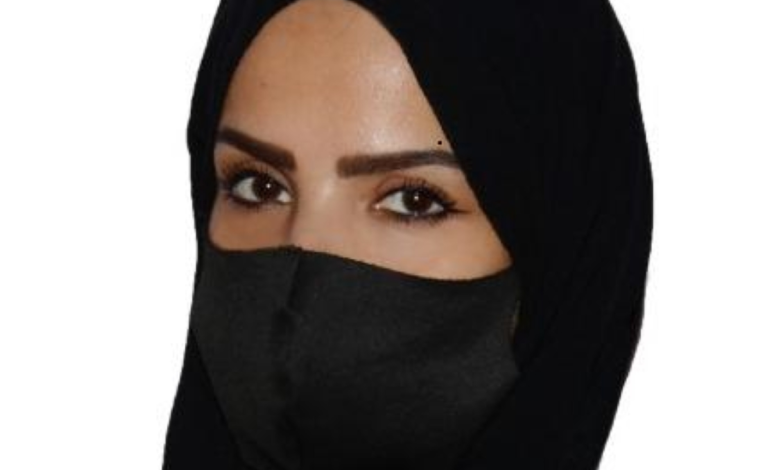
Speaking to Al-Youm newspaper on the occasion of International Women's Day, the specialists highlighted the figures that reflect this new reality. Dr. Maha Al-Juhani , a consultant in digital transformation and government, explained that the Kingdom is witnessing significant strides in integrating women into the digital economy. She pointed out that the percentage of women participating in the technology sector has risen from 7% in 2018 to approximately 35% currently, which is a direct indicator of the success of the Vision's objectives.
Al-Juhani added that the impact of this empowerment extends beyond the economic sphere to touch the social fabric, emphasizing that a society that supports its women scientifically and professionally is a more balanced and sustainable society. She also highlighted the importance of a culture of work-life balance to address any health or psychological challenges that may arise from multiple roles, praising supportive government policies such as remote work and flexible work arrangements.

Dr. Maha Al-Juhani
supportive legislative system
Tayyiba Al-Amoudi a researcher in environmental and marine sciences, described the current presence of Saudi women as "exceptional," attributing this to the existence of a comprehensive national support system. She emphasized that the expansion of job and entrepreneurship opportunities achieved in recent years, along with the enactment of laws guaranteeing a safe working environment, reflects a genuine political will that believes women's success is a success for society as a whole.
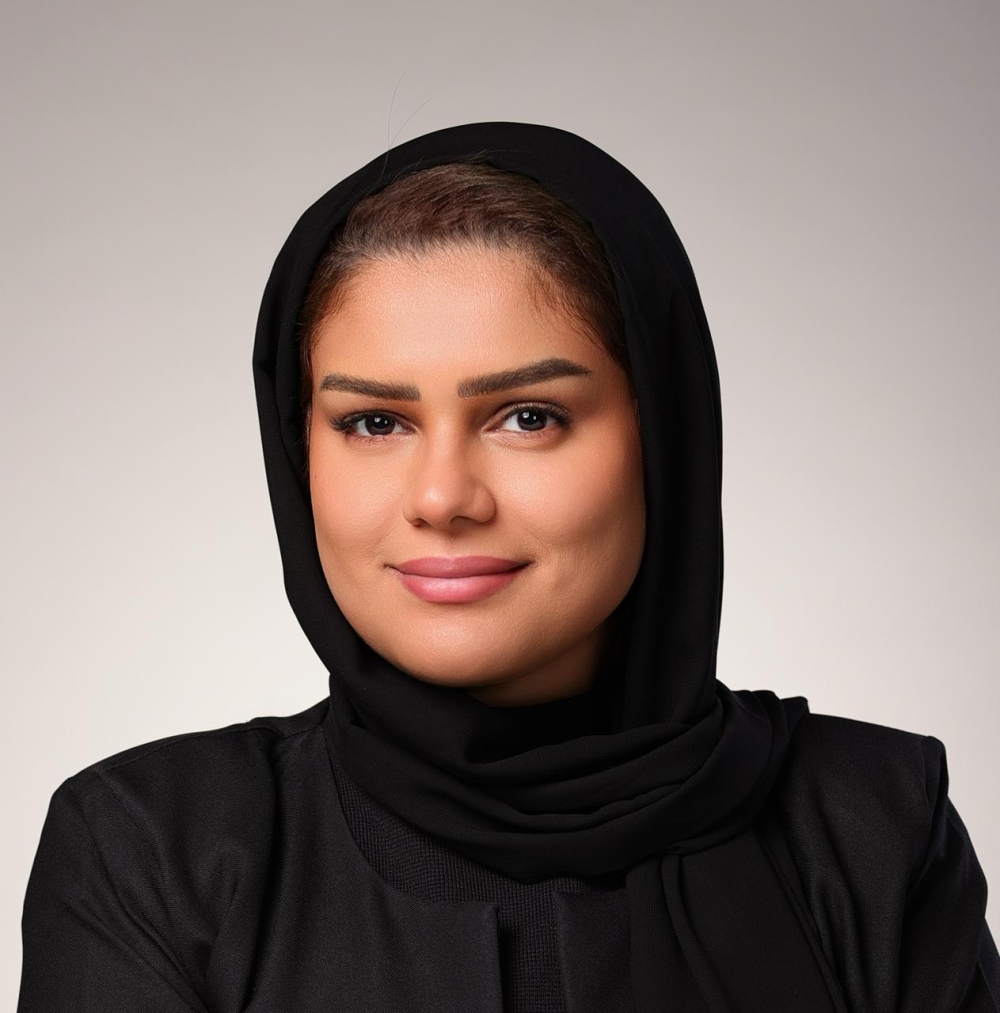
Dr. Tayba Al-Amoudi
Family stability and quality of life
Regarding the social dimension, Dr. Ghadeer Jamjoom , emphasized the direct correlation between women's empowerment and family stability. She explained that empowered women contribute effectively to improving their families' quality of life, noting that challenges related to work-related stress can be overcome through psychological support and professional counseling, thus transforming empowerment into a source of family happiness rather than a burden.

Dr. Ghadeer Jamjoom
Partnership in shaping the future
Abeer Al-Humaidi, an associate professor at King Saud University, agreed with her predecessors, emphasizing that International Women's Day is an opportunity to celebrate the contributions of Saudi women to sustainable development. She explained that women's access to leadership positions and specialized scientific fields positively impacts the upbringing of future generations, as empowered mothers become role models for their children, thus contributing to the development of a conscious generation capable of continuing the path of progress.
Dr. Abeer Al-Humaidi
Financial independence and life management
Nahed Qushmaq, a hematologist, concluded by emphasizing that professional development cultivates women's life skills and strengthens their sense of responsibility. She explained that financial stability empowers women to contribute and actively participate in building their families, praising the labor and personal status laws that have removed obstacles and helped achieve the desired balance.

Dr. Nahed Qushmaq