
تواصل المملكة العربية السعودية تسطير أروع الأمثلة في خدمة ضيوف الرحمن، حيث أعلنت مدينة الملك عبدالله الطبية بالعاصمة المقدسة، والتي تعمل تحت مظلة تجمع مكة المكرمة الصحي، عن إنجاز طبي استثنائي تمثل في إنقاذ حياة 14 حاجاً من جنسيات مختلفة. جاء هذا الإنجاز بعد تعامل طبي ورقمي فائق السرعة مع حالات حرجة ومعقدة للغاية، شملت السكتات الدماغية الحادة، ونزيف الجهاز الهضمي، بالإضافة إلى حصوات وانسدادات القنوات الصفراوية، وذلك ضمن نموذج الرعاية العاجلة خلال موسم الحج لعام 1447هـ.
تاريخياً، تولي حكومة المملكة العربية السعودية اهتماماً بالغاً بصحة الحجاج والمعتمرين، حيث تطورت منظومة الرعاية الصحية في الحج على مدار العقود الماضية لتصبح واحدة من أكثر أنظمة الطب الجماهيري (Mass Gathering Medicine) تطوراً على مستوى العالم. وتُسخر وزارة الصحة السعودية كافة إمكاناتها البشرية والتقنية لتقديم رعاية طبية مجانية وعالية الجودة لملايين الحجاج الذين يتوافدون سنوياً إلى المشاعر المقدسة، مما يعكس التزاماً راسخاً بخدمة الإسلام والمسلمين وتأمين سلامتهم.
تدخل عاجل لإنقاذ حاجة من سكتة دماغية
وفي تفاصيل الإنجاز الطبي، أوضحت الإدارة الطبية أن مركز العلوم العصبية استقبل عبر قسم الطوارئ حاجة من جمهورية أوزبكستان كانت تعاني من سكتة دماغية حادة. أدت هذه السكتة إلى شلل نصفي وفقدان مفاجئ للقدرة على الكلام. وبفضل الجاهزية العالية، تم تفعيل مسار السكتات الدماغية فور وصولها وفق البروتوكولات العلاجية العالمية المعتمدة. وبعد إجراء الفحوصات السريرية والأشعة التشخيصية المتقدمة التي أكدت وجود جلطة حادة في أحد الشرايين الدماغية الرئيسية، نُقلت المريضة عاجلاً إلى غرفة القسطرة الدماغية. وهناك، نجح الفريق الطبي المختص في إجراء عملية سحب للجلطة وإعادة التروية الدموية للدماغ باستخدام تقنيات تداخلية دقيقة، مما أثمر عن استعادة المريضة لقدرتها الكاملة على الحركة والكلام وتماثلها للشفاء التام.
علاج انسدادات القنوات الصفراوية بأحدث التقنيات
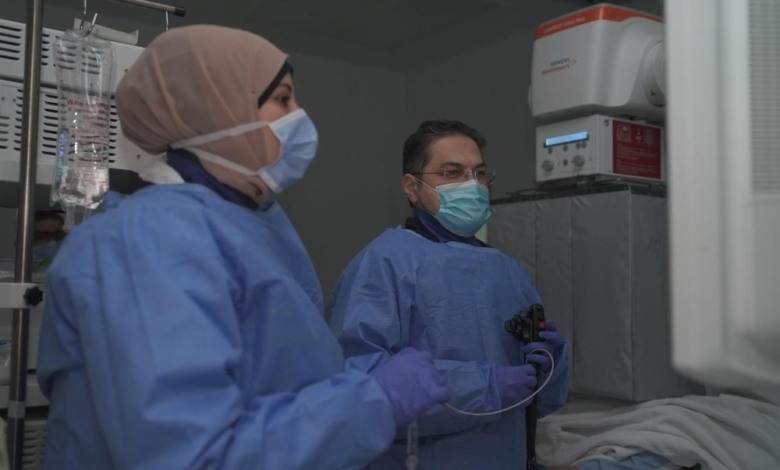
على صعيد متصل، تعامل مركز المناظير المتقدمة في المدينة الطبية مع 13 حاجاً من جنسيات متعددة واجهوا أزمات صحية حرجة. وتوزعت الحالات لتشمل 5 حجاج من الجنسية التركية، و4 من الجنسية الإندونيسية، وحاجين من الجنسية الأفغانية، إضافة إلى حاج من الجنسية السورية وآخر من الجنسية الأردنية. استدعت جميع هذه الحالات تدخلاً طبياً عاجلاً باستخدام أحدث تقنيات المناظير العلاجية المتقدمة، مما ساهم في استقرار مؤشراتهم الحيوية وتجنيبهم مضاعفات صحية خطيرة.
وقد بيّنت المدينة الطبية أن الفرق الطبية استخدمت ترسانة من التقنيات الحديثة لعلاج حصوات وانسدادات القنوات الصفراوية. شملت هذه التقنيات التنظير المجهري للقنوات الصفراوية (ERCP)، والمنظار الجاسوسي (SpyGlass)، وتقنيات تفتيت الحصوات بالليزر. كما تم تركيب دعامات بلاستيكية مؤقتة ودعامات معدنية دائمة وفقاً للاحتياج الطبي لكل حالة. وفيما يخص حالات نزيف الجهاز الهضمي، تم تطبيق منظومة علاجية متقدمة تضمنت الحقن الدوائي، وتقنيات المعالجة الحرارية، والمشابك الميكانيكية المتطورة (OVESCO)، ومساحيق التخثير المباشر (Hemospray)، مما عزز السيطرة السريعة والفعالة على النزيف وتقليل احتمالية التدخلات الجراحية المفتوحة.
جودة الرعاية الصحية وتأثيرها الإقليمي والدولي
وفي جانب علاج انسدادات الجهاز الهضمي، وظّف الفريق الطبي الدعامات المعدنية الذاتية التمدد، مما أسهم في استعادة الوظائف الحيوية للجهاز الهضمي ورفع كفاءة النتائج العلاجية للحالات الحرجة. إن هذا النجاح الطبي لا يقتصر تأثيره على النطاق المحلي فحسب، بل يمتد ليترك صدىً إيجابياً واسعاً على المستويين الإقليمي والدولي، حيث يبعث برسالة طمأنينة للعالم الإسلامي بأن ضيوف الرحمن يحظون برعاية طبية تضاهي أفضل المراكز العالمية.
وأكدت مدينة الملك عبدالله الطبية أن هذه النجاحات المتتالية تعكس الجاهزية التشغيلية القصوى والتكامل بين الفرق الطبية والتقنيات التخصصية المتقدمة التي تمتلكها الكوادر السعودية في التعامل مع الحالات الحرجة. وتأتي هذه الجهود انسجاماً مع مستهدفات برنامج تحول القطاع الصحي ورؤية السعودية 2030 في تقديم تجربة حج آمنة وصحية، تعكس الوجه الحضاري والإنساني للمملكة في خدمة قاصدي بيت الله الحرام.