
إنجاز طبي جديد في خدمة ضيوف الرحمن
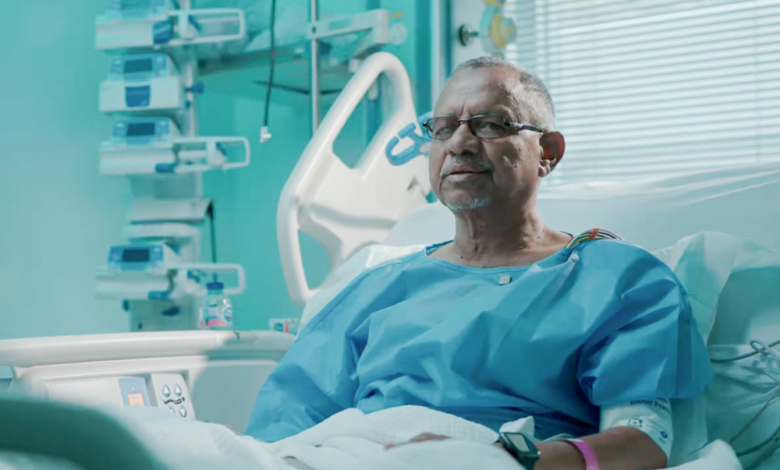
نجحت مدينة الملك عبدالله الطبية بالعاصمة المقدسة، عضو تجمع مكة المكرمة الصحي، في تسطير إنجاز طبي جديد يعكس تطور منظومة الرعاية الصحية في المملكة العربية السعودية. تمثل هذا الإنجاز في إنقاذ حياة حاج يمني وحاجة تركية من خلال استخدام تقنيات القلب التداخلية التخصصية المتقدمة، المدعومة بمنظومة الرعاية القلبية الافتراضية وتقنيات المراقبة الصحية الذكية، مما يجسد تكامل الرعاية التخصصية الرقمية لخدمة ضيوف الرحمن خلال موسم الحج.
السياق التاريخي وتطور الرعاية الصحية في الحج
تاريخياً، تولي المملكة العربية السعودية اهتماماً بالغاً بصحة ضيوف الرحمن، حيث تقدم خدمات طبية مجانية وعالية المستوى لملايين الحجاج سنوياً. ومع انطلاق رؤية السعودية 2030، شهد القطاع الصحي تحولاً رقمياً هائلاً، تمثل في إدخال تقنيات التطبيب عن بعد، والمستشفيات الافتراضية، والأجهزة الذكية القابلة للارتداء لمراقبة الحالات الحرجة. هذا التطور التاريخي والمستمر جعل من موسم الحج نموذجاً عالمياً يُحتذى به في إدارة الحشود الطبية وتقديم الرعاية الصحية الفائقة في أوقات قياسية وبأعلى معايير الجودة.
المراقبة الذكية تنقذ حياة حاج يمني
وفي التفاصيل، أوضحت المدينة الطبية أن الحالة الأولى تعود لحاج يمني يمتلك تاريخاً مرضياً مع أمراض الشرايين التاجية، وسبق أن أجرى جراحة تحويل مسار الشرايين التاجية في عام 2022 بالجمهورية اليمنية. تعرض الحاج أثناء تواجده في مكة المكرمة لاضطراب متقطع في نظم القلب وبطء في النبض يُرجح ارتباطه بالأدوية العلاجية، مما استدعى نقله عبر هيئة الهلال الأحمر السعودي لتلقي الرعاية القلبية اللازمة. وبعد استقرار حالته الصحية، تم تزويده بساعة ذكية ضمن برنامج الرعاية القلبية الافتراضية بمدينة الملك عبدالله الطبية، بهدف تمكينه من استكمال مناسك حجه بأمان مع استمرار المتابعة الطبية الدقيقة لمؤشراته الحيوية وتخطيط القلب عن بُعد وعلى مدار الساعة.
وأظهرت بيانات الساعة الذكية لاحقاً انخفاضاً متكرراً وملحوظاً في معدل نبضات القلب، فيما كشفت خاصية تخطيط القلب المدمجة مؤشرات واضحة على اضطراب كهربائي خطير بالقلب. هذا الأمر دفع فريق التمريض المختص بالمراقبة عن بُعد إلى التواصل المباشر مع الحاج، حيث أفاد بمعاناته من دوار مستمر وإجهاد متزايد. وبعد مراجعة القراءات الحيوية ونتائج تخطيط القلب ورفعها بصورة عاجلة للطبيب المعالج، تم تشخيص الحالة بأنها حصار قلبي كامل (Complete Heart Block – CHB)، وهي من الحالات القلبية الحرجة التي قد تؤدي إلى فقدان الوعي أو توقف القلب إذا لم يتم التدخل العاجل.
وفور تأكيد التشخيص، بادر فريق الرعاية القلبية الافتراضية بالتواصل الفوري مع الحاج وإبلاغه بضرورة التوجه العاجل إلى قسم الطوارئ. تم تنويمه واستكمال التدخلات العلاجية اللازمة، لينجح الفريق القلبي المتخصص في زراعة منظم دائم لضربات القلب (Permanent Pacemaker). وتكللت العملية بالنجاح، ليستعيد الحاج استقراره الصحي ويتمكن من مواصلة رحلته الإيمانية تحت متابعة طبية رقمية مستمرة.
تقنية TAVI تنقذ حاجة تركية في المشاعر المقدسة
وفي الحالة الثانية، نجح مركز القلب بمدينة الملك عبدالله الطبية في إنقاذ حياة حاجة تركية تبلغ من العمر 70 عاماً، بعد تعرضها لحالة إغماء مفاجئة أثناء تواجدها في المشاعر المقدسة. كشفت الفحوصات القلبية الدقيقة عن إصابتها بتضيق شديد ومتقدم في الصمام الأبهري، مصحوب بتكلسات حادة وارتفاع كبير في تدرجات الضغط عبر الصمام، إضافة إلى تضخم بعضلة القلب وتأثر بوظائف الدورة الدموية، مما استدعى التعامل مع الحالة بشكل عاجل بعد مناقشتها ضمن فريق القلب متعدد التخصصات.
وبيّنت المدينة الطبية أن الفرق الطبية استكملت التقييمات المتقدمة والفحوصات التصويرية الدقيقة، قبل اتخاذ قرار إجراء زراعة عاجلة للصمام الأبهري عبر القسطرة (TAVI) باستخدام صمام حديث دون الحاجة إلى جراحة قلب مفتوح. تم ذلك إلى جانب إجراء قسطرة تشخيصية وتركيب منظم مؤقت للقلب تعزيزاً لعوامل الأمان وضماناً لأعلى مستويات الدقة أثناء التدخل.
وأُجريت العملية بنجاح عبر تقنية التدخل عن طريق الشريان الفخذي تحت التخدير الموضعي، حيث تمكن الفريق الطبي من زراعة الصمام الجديد بدقة عالية واستعادة التدفق الطبيعي للدورة الدموية، دون تسجيل أي تسريب حول الصمام أو مضاعفات أثناء الإجراء. وأكدت التقييمات التداخلية الفورية استقرار موضع الصمام وكفاءته الوظيفية مباشرة بعد الزراعة. وشهدت الحالة تحسناً سريرياً ملحوظاً بعد العملية، حيث استعادت المريضة كامل وعيها واستقرت علاماتها الحيوية واختفت الأعراض القلبية، وتم نقلها إلى العناية القلبية المركزة لاستكمال المتابعة الدقيقة، مع نجاح إزالة المنظم المؤقت للقلب لاحقاً دون أي مضاعفات.
الأهمية والتأثير المتوقع
يحمل هذا الحدث الطبي أهمية كبرى على الصعيدين المحلي والدولي؛ فهو يؤكد الجاهزية القصوى للكوادر الطبية السعودية وقدرتها على التعامل مع أعقد الحالات القلبية باستخدام أحدث التقنيات العالمية. كما يبرز الأثر الإيجابي والفعال لدمج الذكاء الاصطناعي وإنترنت الأشياء في الرعاية الصحية لإنقاذ الأرواح. وعلى المستوى الإقليمي والدولي، يعزز هذا النجاح ثقة ضيوف الرحمن وبلدانهم في كفاءة المنظومة الصحية السعودية، ويقدم للعالم أجمع نموذجاً مبتكراً ورائداً في كيفية تقديم رعاية طبية متقدمة ومخصصة وسط تجمعات بشرية مليونية، مما يعكس الوجه الحضاري والإنساني للمملكة.