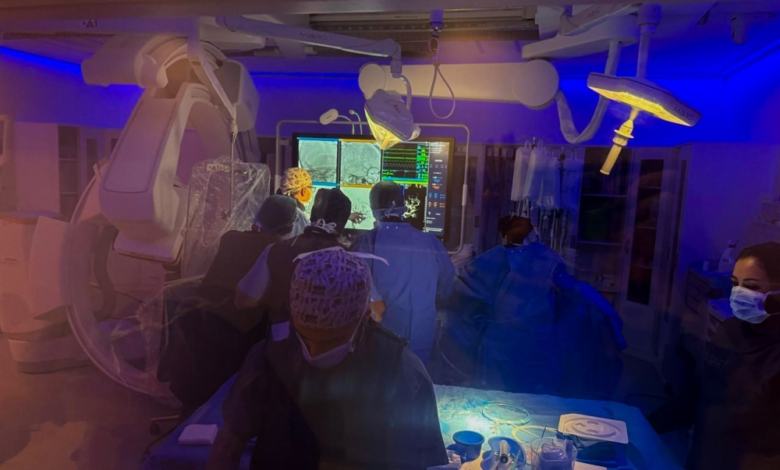

سجلت المنظومة الصحية في العاصمة المقدسة إنجازاً طبياً جديداً، حيث نجح فريق طبي متخصص في مدينة الملك عبدالله الطبية، عضو تجمع مكة المكرمة الصحي، في إنقاذ حياة مريضة سودانية تبلغ من العمر 57 عاماً، بعد تعرضها لجلطة دماغية حادة هددت حياتها وأفقدتها القدرة على الحركة والنطق.
تفاصيل الحالة والتدخل العاجل
بدأت فصول القصة عندما تلقت المريضة، التي تعاني من تاريخ مرضي يشمل داء السكري وارتفاع ضغط الدم وعدم انتظام ضربات القلب، إسعافاً أولياً من قبل فرق الهلال الأحمر السعودي إثر ظهور أعراض مفاجئة تمثلت في فقدان كامل للنطق وشلل في النصف الأيمن من الجسم. وتم نقلها على الفور إلى مدينة الملك عبدالله الطبية، حيث كان بانتظارها فريق طبي متأهب ضمن برنامج الرعاية العاجلة.
وفور وصول المريضة، تم تفعيل "مسار السكتة الدماغية" (Code Stroke)، وهو بروتوكول طبي عالمي يهدف إلى تقليص الوقت بين وصول المريض وتلقي العلاج. أظهرت الفحوصات والتصوير الإشعاعي الدقيق وجود انسداد حاد في أحد الشرايين الرئيسية المغذية للدماغ، مما استدعى تدخلاً جراحياً فورياً دون أي تأخير.
دقة الإجراء الطبي وسرعة الاستجابة
نُقلت المريضة مباشرة إلى جناح قسطرة الأشعة التداخلية العصبية، حيث قام الفريق الطبي بإجراء قسطرة دقيقة لسحب الخثرة الدموية وإعادة التروية للدماغ. وقد تكللت العملية بالنجاح التام في غضون أقل من ساعتين من لحظة وصول المريضة للمستشفى، وهو توقيت قياسي يعكس كفاءة الكوادر الطبية وجاهزية التجهيزات.
وبفضل الله، ثم سرعة التدخل، استعادت المريضة قدرتها على الكلام والحركة بشكل فوري وملحوظ بعد الإجراء، مما جنبها مضاعفات خطيرة كادت أن تؤدي إلى إعاقة دائمة.
أهمية مسار السكتة الدماغية وتكامل الخدمات
يُعد عامل الوقت هو العنصر الحاسم في علاج الجلطات الدماغية، حيث يُعرف طبياً بمصطلح "الساعة الذهبية". ويؤكد هذا الإنجاز على التطور الكبير الذي تشهده أقسام الطوارئ والأعصاب في المملكة، حيث يعتمد نجاح مثل هذه الحالات على التكامل بين الهلال الأحمر، وأقسام الطوارئ، وفرق الأشعة التداخلية.
وتتميز مدينة الملك عبدالله الطبية بمكة المكرمة بكونها مركزاً مرجعياً متخصصاً يضم أحدث التقنيات في مجال القسطرة العصبية، مما يمكنها من التعامل مع الحالات المعقدة بكفاءة عالية، خاصة خلال مواسم الحج والعمرة التي تشهد كثافة بشرية عالية.
مواكبة رؤية المملكة 2030 في التحول الصحي
يأتي هذا النجاح كانعكاس مباشر لمستهدفات برنامج التحول الصحي ورؤية المملكة 2030، التي تركز على تسهيل الوصول للخدمات الصحية ورفع جودة الرعاية للحالات الحرجة. ويعمل نموذج الرعاية الحديث في تجمع مكة الصحي على تعزيز العمل التشاركي بين مختلف التخصصات (الأشعة التداخلية، المخ والأعصاب، التخدير، الطوارئ) لضمان أفضل النتائج العلاجية للمرضى وتقليل نسب العجز والوفيات الناتجة عن السكتات الدماغية.