
جهود مستمرة لخدمة ضيوف الرحمن
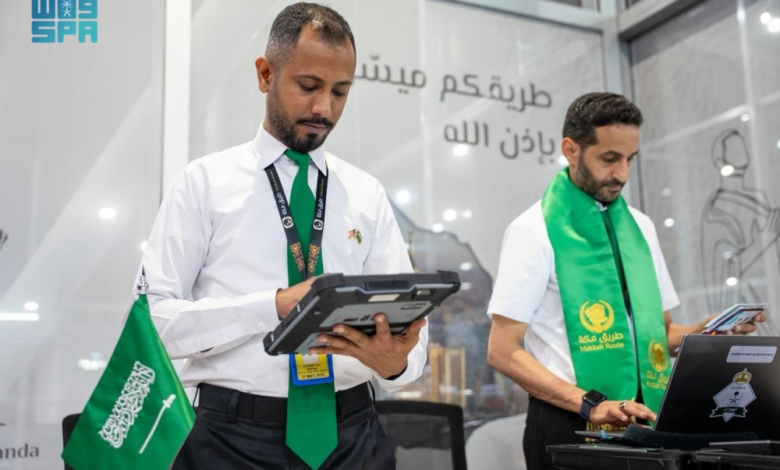
تواصل الهيئة السعودية للبيانات والذكاء الاصطناعي “سدايا” جهودها الريادية في تسخير التكنولوجيا لخدمة ضيوف الرحمن، حيث أعلنت عن تقديم دعمها التقني الشامل لمبادرة “طريق مكة”. تنفذ هذه المبادرة وزارة الداخلية بالتعاون مع عدة جهات حكومية، وتدخل الآن عامها الثامن ضمن برنامج خدمة ضيوف الرحمن، أحد أهم برامج رؤية السعودية 2030. ويشمل هذا الدعم 10 دول عبر 17 منفذاً دولياً خلال موسم حج عام 1447هـ، مما يعكس التزام القيادة الرشيدة بتوفير أقصى سبل الراحة لحجاج بيت الله الحرام والارتقاء بجودة الخدمات المقدمة لهم.
السياق العام والخلفية التاريخية لمبادرة طريق مكة
تُعد مبادرة “طريق مكة” نقلة نوعية وتاريخية في مسيرة خدمات الحج، حيث انطلقت فكرتها بهدف إنهاء إجراءات ضيوف الرحمن من بلدانهم الأم. تبدأ هذه الإجراءات من إصدار التأشيرة إلكترونياً وأخذ الخصائص الحيوية، مروراً بإنهاء إجراءات الجوازات في مطار بلد المغادرة بعد التحقق من توفر الاشتراطات الصحية. تاريخياً، كان الحجاج يواجهون فترات انتظار طويلة عند وصولهم إلى منافذ المملكة، ولكن مع إطلاق هذه المبادرة، أصبح الحاج يصل إلى مطارات المملكة كمسافر داخلي، حيث تُنقل أمتعته مباشرة إلى مقر إقامته في مكة المكرمة أو المدينة المنورة دون الحاجة للانتظار في صالات القدوم.
الدور التقني المتقدم لـ “سدايا” والدول المستفيدة
لضمان نجاح هذه العمليات المعقدة، زودت “سدايا” المبادرة بأحدث التقنيات الرقمية المعتمدة على البيانات والذكاء الاصطناعي. شمل ذلك تجهيز محطات عمل متنقلة وبنية تحتية تقنية متكاملة في صالات المبادرة بمطارات الدول المشمولة. وتشمل قائمة الدول المستفيدة هذا العام: المملكة المغربية، جمهورية إندونيسيا، مملكة ماليزيا، جمهورية باكستان الإسلامية، جمهورية بنجلاديش الشعبية، الجمهورية التركية، جمهورية كوت ديفوار، جمهورية المالديف، ولأول مرة تنضم كل من جمهورية السنغال وبروناي دار السلام.
ويتولى الفريق التقني لـ “سدايا” متابعة الأنظمة ومحطات العمل بشكل آلي لضمان انسيابية العمليات. كما تم إجراء اختبارات التواجدية العالية للأنظمة للتأكد من كفاءتها، واستكمال عمليات الربط التقني مع كافة الجهات المعنية لضمان سرعة إنهاء تسجيل الخصائص الحيوية للحجاج بكل يسر وسهولة.
أهمية الحدث وتأثيره المتوقع
تحمل هذه الخطوة تأثيرات إيجابية واسعة النطاق على عدة مستويات:
- على المستوى المحلي: تسهم المبادرة بشكل مباشر في تخفيف العبء التشغيلي عن مطارات المملكة، خاصة مطار الملك عبدالعزيز الدولي بجدة ومطار الأمير محمد بن عبدالعزيز بالمدينة المنورة، مما يمنع التكدس ويسرع من حركة التفويج وإدارة الحشود بكفاءة عالية.
- على المستوى الإقليمي والدولي: تعزز هذه الجهود من القوة الناعمة للمملكة العربية السعودية، وتبرز مكانتها الإسلامية ودورها الريادي في خدمة المسلمين حول العالم. كما تعكس التطور التقني الهائل الذي وصلت إليه المملكة في مجال الحوكمة الرقمية والذكاء الاصطناعي، مما يجعلها نموذجاً عالمياً يُحتذى به في تقديم الخدمات العابرة للحدود.
ختاماً، تسعى “سدايا” من خلال هذا الدعم الفني والتقني المستمر إلى تحقيق الاستفادة المثلى من التقنيات المتقدمة، لتسهيل رحلة ضيوف الرحمن منذ لحظة مغادرتهم لبلدانهم وحتى عودتهم سالمين، مجسدة بذلك أسمى معاني العناية والرعاية التي توليها المملكة لحجاج بيت الله الحرام.