Hajj season success: State Security Chief congratulates the King and Crown Prince

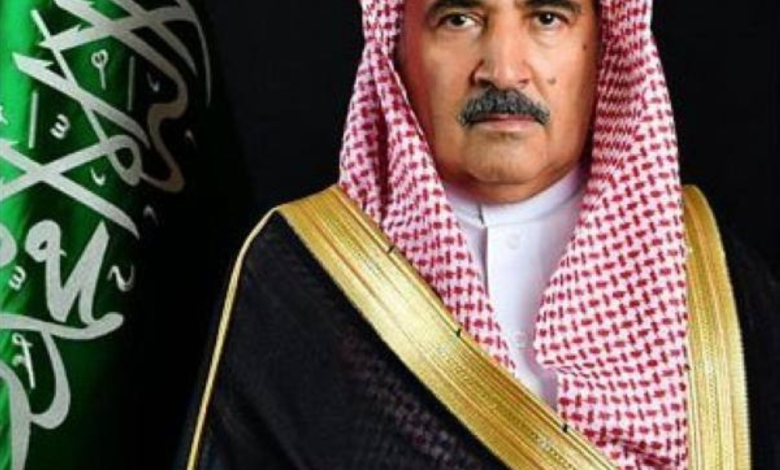
His Excellency the President of State Security, Mr. Abdulaziz bin Mohammed Al-Huwayrini, on his own behalf and on behalf of all members of the Presidency, extended his highest congratulations and blessings to the Custodian of the Two Holy Mosques, King Salman bin Abdulaziz Al Saud, and His Royal Highness Prince Mohammed bin Salman bin Abdulaziz Al Saud, Crown Prince and Prime Minister, may God protect them, on the occasion of the great success achieved in this year’s Hajj season.
In his message, Al-Huwayrini praised the tremendous and integrated efforts exerted by all participating government agencies, which worked in perfect harmony to implement the security, organizational, and service plans. He emphasized that this success would not have been possible without God's grace first and foremost, and then the unlimited support and sound guidance of the wise leadership, which places serving the pilgrims and ensuring their safety at the forefront of its priorities.
Historical context and importance of Hajj to the Kingdom
Since its founding, the Kingdom of Saudi Arabia has been honored with the service of the Two Holy Mosques and the care of pilgrims performing Hajj and Umrah, a pivotal role reflecting its deep religious and historical significance. The Hajj season, which attracts millions of Muslims from around the world annually, is one of the largest human gatherings globally. Organizing it presents an immense logistical and security challenge, requiring the full mobilization of resources and capabilities to ensure pilgrims can perform their rituals with ease and peace of mind.
Over the decades, the Kingdom has invested billions of riyals in developing the infrastructure of the holy sites, from expanding the Two Holy Mosques, to building the multi-story Jamarat Bridge, developing road and train networks, and using the latest technologies in crowd management, which has directly contributed to raising the level of services provided and ensuring the safety of pilgrims.
The local and international impact of the season's success
The success of the Hajj season has an impact not only locally, but also extends to leave a positive mark regionally and internationally. Locally, this success strengthens national pride and affirms the efficiency and capability of the state's institutions in managing major events. Internationally, it reinforces the Kingdom's position as a leader of the Islamic world and as a nation capable of shouldering its weighty responsibilities with competence and capability.
This security and organizational success also sends a powerful message to the world that the Kingdom is a safe and stable country, and that it dedicates all its resources to serving Islam and Muslims, which enhances its soft power and standing on the global stage. Al-Huwayrini concluded his prayer by asking God to protect the wise leadership and to perpetuate the blessings of security, safety, prosperity, and stability upon the nation.